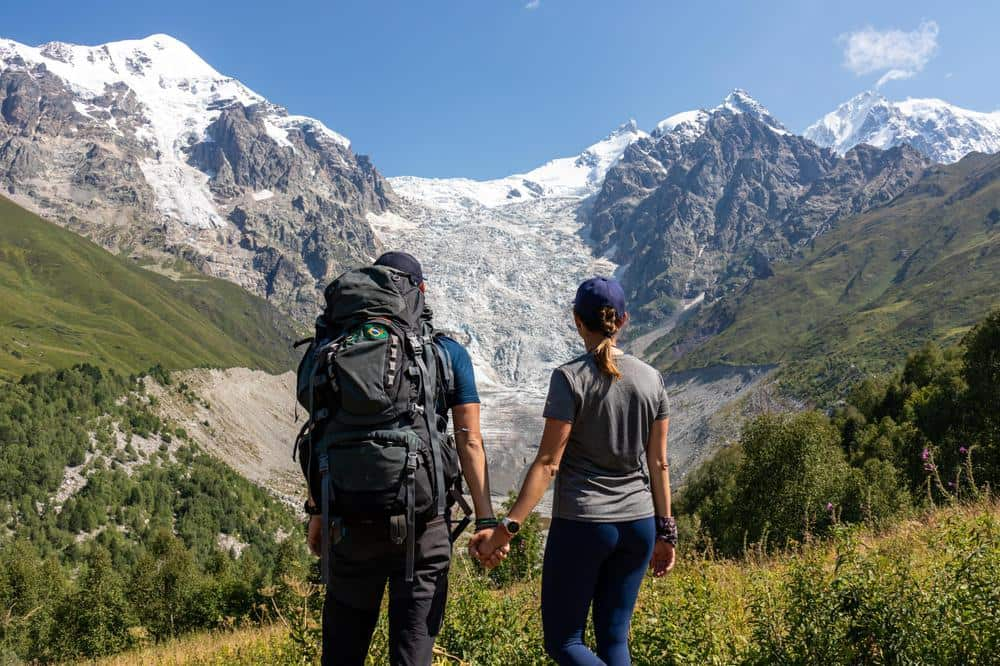
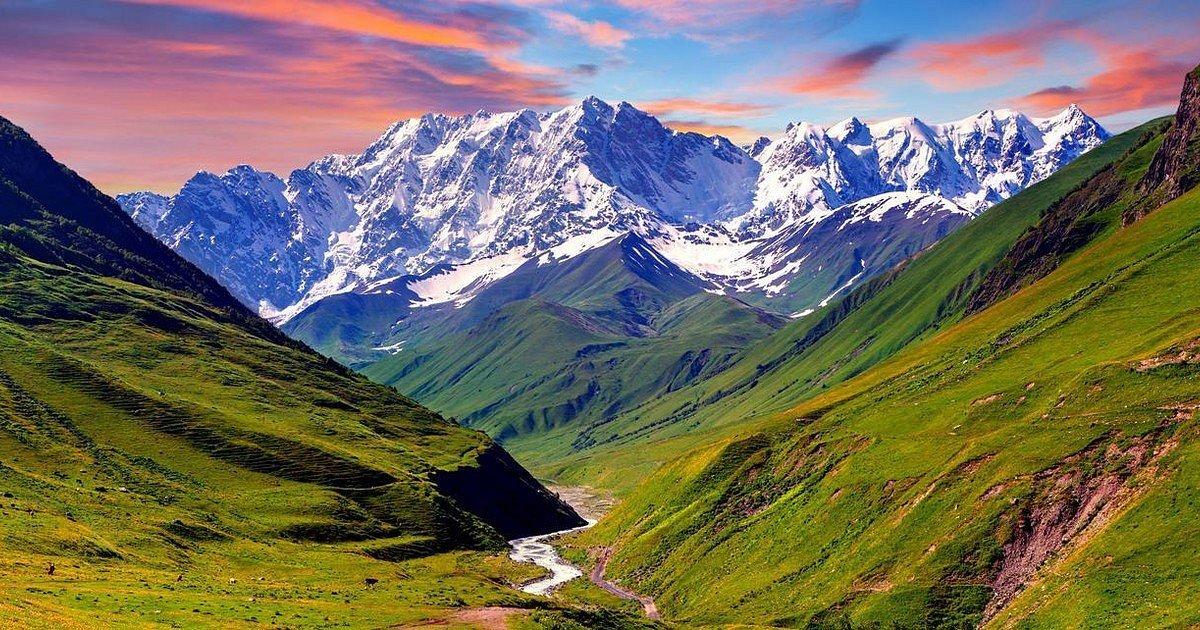
DESTINATION GUIDE · 2027

The Ultimate Georgia Travel Guide. How to Visit Georgia the Country in 2027

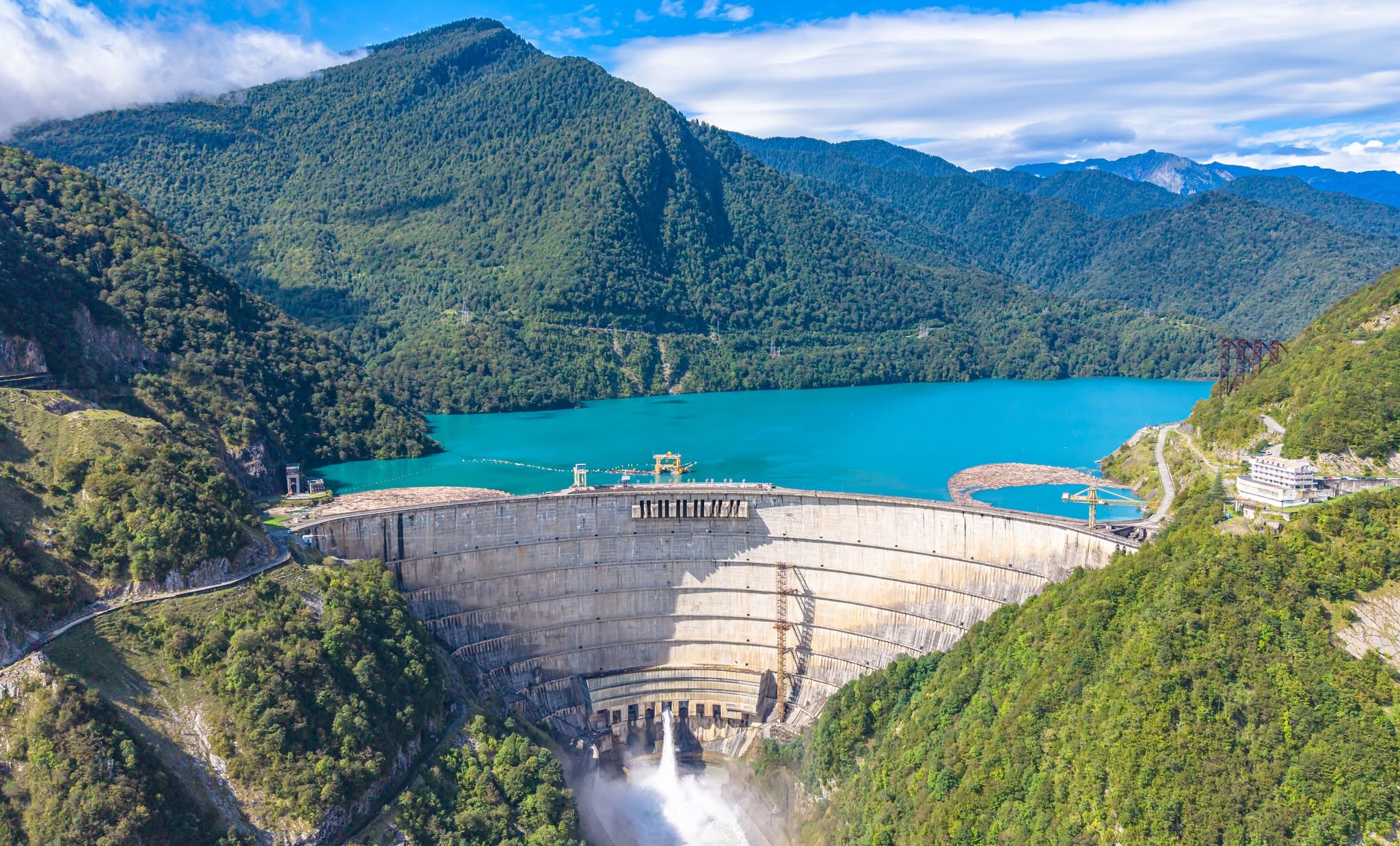
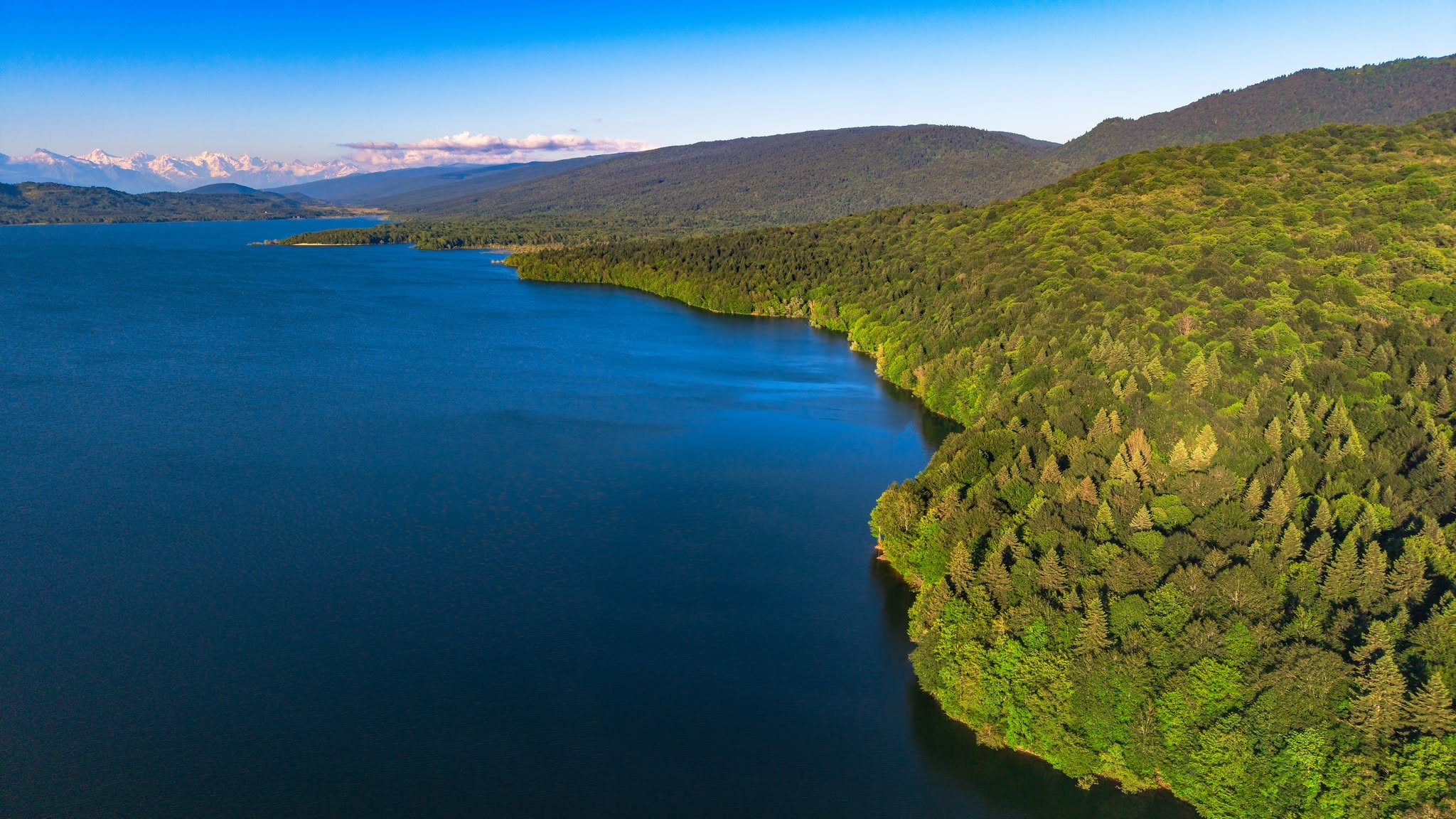
ენგურის წყალსაცავი 1 1
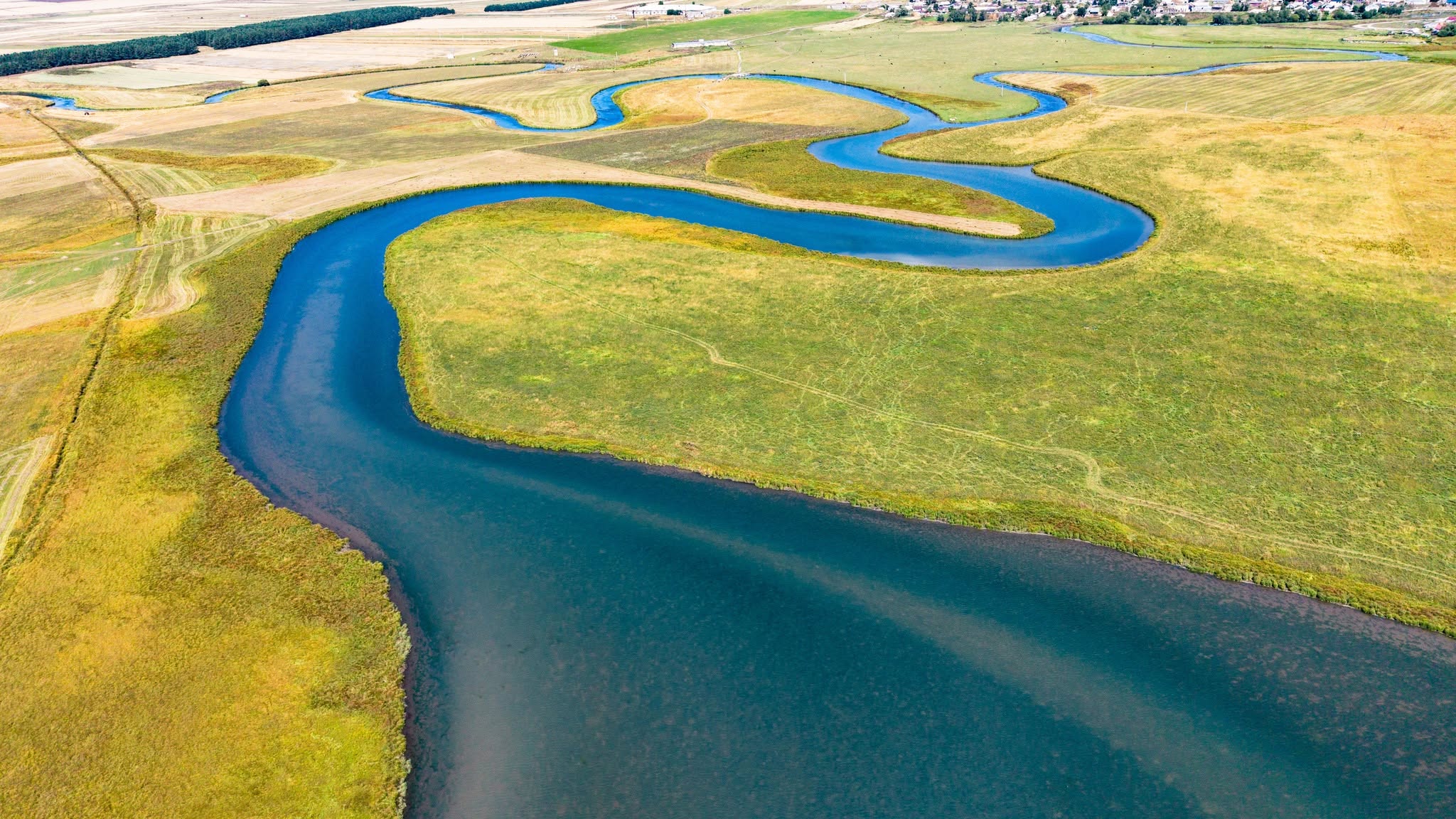
ბუღდაშენის აღკვეთილი 1
georgia 1

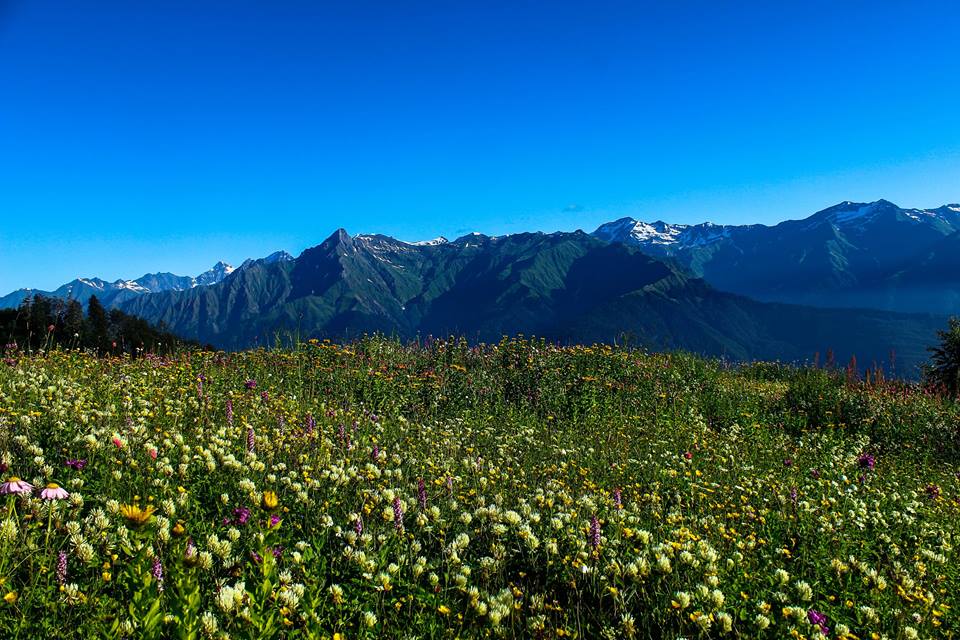
Georgia is a country where ancient wine traditions meet the dramatic landscapes of the Caucasus Mountains, where medieval villages stand beneath glaciers, and where a single journey can take you from historic cities to vineyard-covered valleys and the Black Sea coast.

Whether you are planning your first visit, returning to explore a different region, organizing a family holiday or looking for an adventure in the mountains, this Georgia travel guide will help you make informed decisions about your trip.

Created by Gamarjoba Georgia Tours, this guide brings together essential travel information, destination guides, practical tips, suggested itineraries and resources to help you explore Georgia at your own pace.

Discover where to go, when to visit, how to get around, what to budget and how to make the most of your time in Georgia.

Travel information checked in November 2026 for the 2027 travel season.

Georgia Travel Guide: Start Planning Your Trip

Georgia at a Glance

Georgia, known locally as Sakartvelo, is located in the South Caucasus at the intersection of Europe and Asia. It shares borders with Armenia, Azerbaijan, Türkiye and Russia, while the Black Sea stretches along its western edge.

Its diverse geography, distinctive language, ancient cultural heritage and regional traditions make Georgia a destination that rewards exploration beyond its capital.

Georgia at a Glance 2027: Essential Travel Facts →

Essential travel informationDetails
CapitalTbilisi
Local nameSakartvelo
Official languageGeorgian
CurrencyGeorgian Lari (GEL)
Time zoneUTC+4
International airportsTbilisi, Kutaisi, Batumi
Emergency number112
Driving sideRight
Electricity220V / 50Hz
Recommended first visit7–10 days
Travel insuranceCompulsory for most tourists

Is Georgia in Europe or Asia?

Georgia occupies a geographical and cultural crossroads between Europe and Asia. The country’s location within the Caucasus has influenced its history, architecture, religion and cuisine while allowing it to maintain a distinctive national identity.

For travelers, this means discovering a destination with its own character rather than a simple combination of neighboring cultures.

Is Georgia Worth Visiting?

Georgia is particularly rewarding for travelers interested in nature, history, traditional cuisine, wine and authentic cultural experiences.

Few destinations offer such different landscapes within a relatively compact area. You can explore the streets of Tbilisi, visit vineyards in Kakheti, hike beneath the peaks of the Greater Caucasus and travel to the Black Sea during the same holiday.

Georgia Travel Guide for First-Time Visitors →

Georgia Visa and Entry Requirements in 2027

Georgia has visa-free entry arrangements with numerous countries, but requirements vary according to nationality and travel documentation.

Before arranging your trip, confirm whether you qualify for visa-free travel, need an electronic visa or must apply through a Georgian diplomatic mission.

Visa-Free Travel and eVisa

Citizens of many countries, including EU member states, the United States, Canada, the United Kingdom and Australia, are generally eligible for visa-free visits of up to one year. Other travelers may qualify for an eVisa or entry based on eligible foreign visas and residence permits.

Georgian Consular Portal →

Official Georgia eVisa Portal → 

Mandatory Travel Insurance

Since January 1, 2026, Georgia has required most visiting tourists to hold valid health and accident insurance.

RequirementDetails
Minimum coverage30,000 GEL
Insurance typeHealth and accident insurance
ValidityEntire stay, including arrival and departure
LanguageGeorgian or English
FormatPrinted or electronic
Insurance companyGeorgian or international

Certain categories of travelers are exempt. Consult the official insurance requirements before departure.

Travelers planning skiing, mountaineering or high-altitude trekking should also check whether these activities and emergency evacuation are covered by their policy.

Official insurance requirements →

Travel insurance guide →

What Documents Should You Prepare?

Depending on your nationality and circumstances, prepare a valid travel document, any required visa, your insurance policy and supporting travel documentation.

Keep copies of your accommodation reservations and return or onward travel arrangements accessible.

Is Georgia Safe to Visit?

Georgia can be a rewarding destination for independent travelers, families and organized groups. However, visitors should understand the country’s regional security situation, driving conditions and outdoor travel risks.

Areas to Avoid

International travel advisories recommend against visiting the Russian-occupied regions of Abkhazia and South Ossetia. Travelers should also exercise caution near their administrative boundary lines.

Political demonstrations can occur in Tbilisi. Avoid large gatherings when tensions are high and follow updated travel advice.

Consult your government’s current recommendations, including the UK Foreign Travel Advice for Georgia and the U.S. Department of State.

UK Foreign Travel Advice →

Road and Mountain Safety

Mountain travel requires additional preparation. Snow, landslides, heavy rainfall and changing visibility can affect driving conditions.

Avoid relying exclusively on estimated journey times from navigation apps, particularly when traveling through remote mountain regions.

Check the Roads Department of Georgia for current restrictions.

Georgia’s emergency telephone number is 112.

Roads Department of Georgia →

Solo Travel and Family Safety

Georgia is accessible to solo travelers and families, but the type of trip you choose matters. Central Tbilisi is very different from an isolated hiking route in Svaneti.

Families should pay particular attention to vehicle safety, child seats, accommodation accessibility and the length of mountain excursions.

For solo hiking, inform someone of your route, carry offline navigation and avoid unfamiliar high-altitude trails during unstable weather.

Read the full Georgia safety guide →

Best Time to Visit Georgia

Georgia is a year-round destination, but there is no single best month for every region or activity.

May, June, September and early October are generally excellent choices for a first visit combining sightseeing, wine regions and accessible mountain destinations.

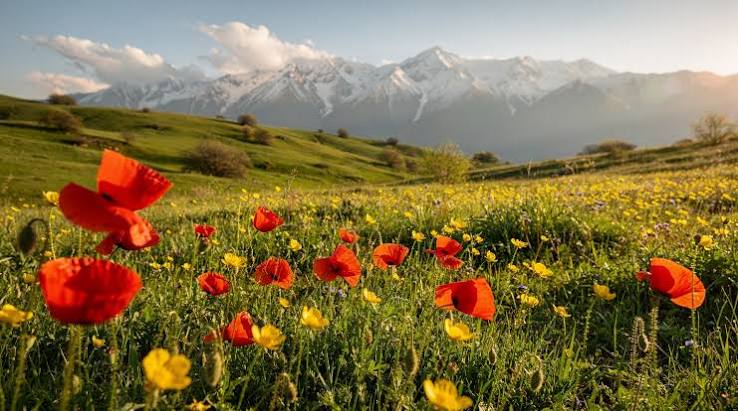
Spring: March–May

Spring: March–May

Comfortable sightseeing, flowering landscapes and cultural tours. Higher mountain trails may remain covered in snow.
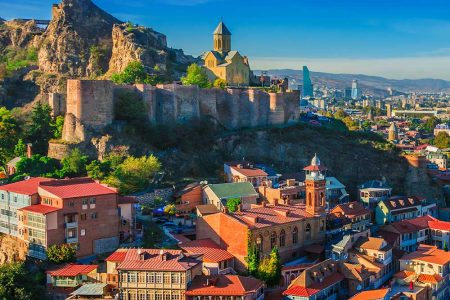
Summer: June–August

Summer: June–August

Mountain hiking, remote villages and Black Sea holidays. Expect hotter temperatures in lowland cities.
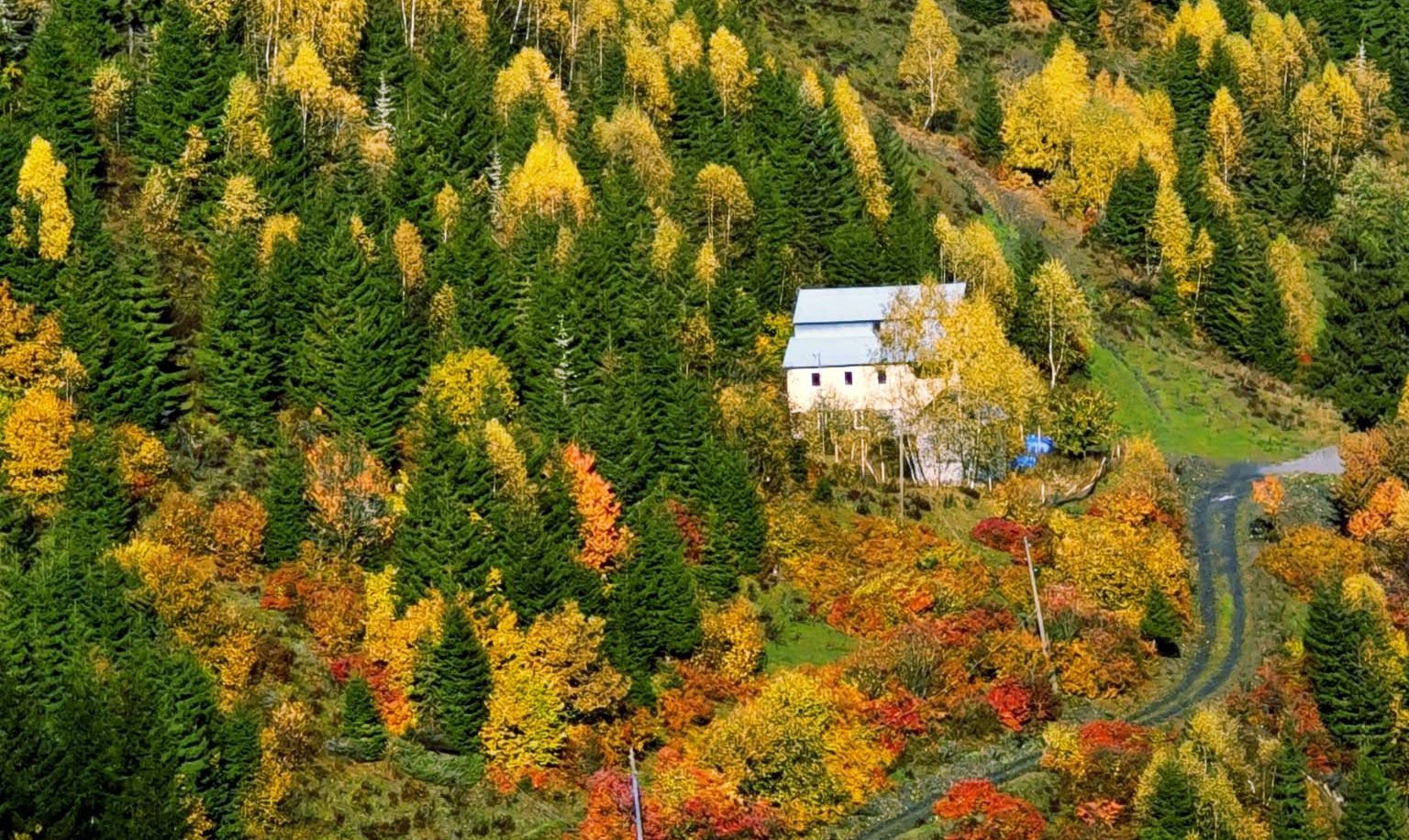
Autumn: September–November

Autumn: September–November

Wine harvest experiences, autumn colors and comfortable sightseeing weather.
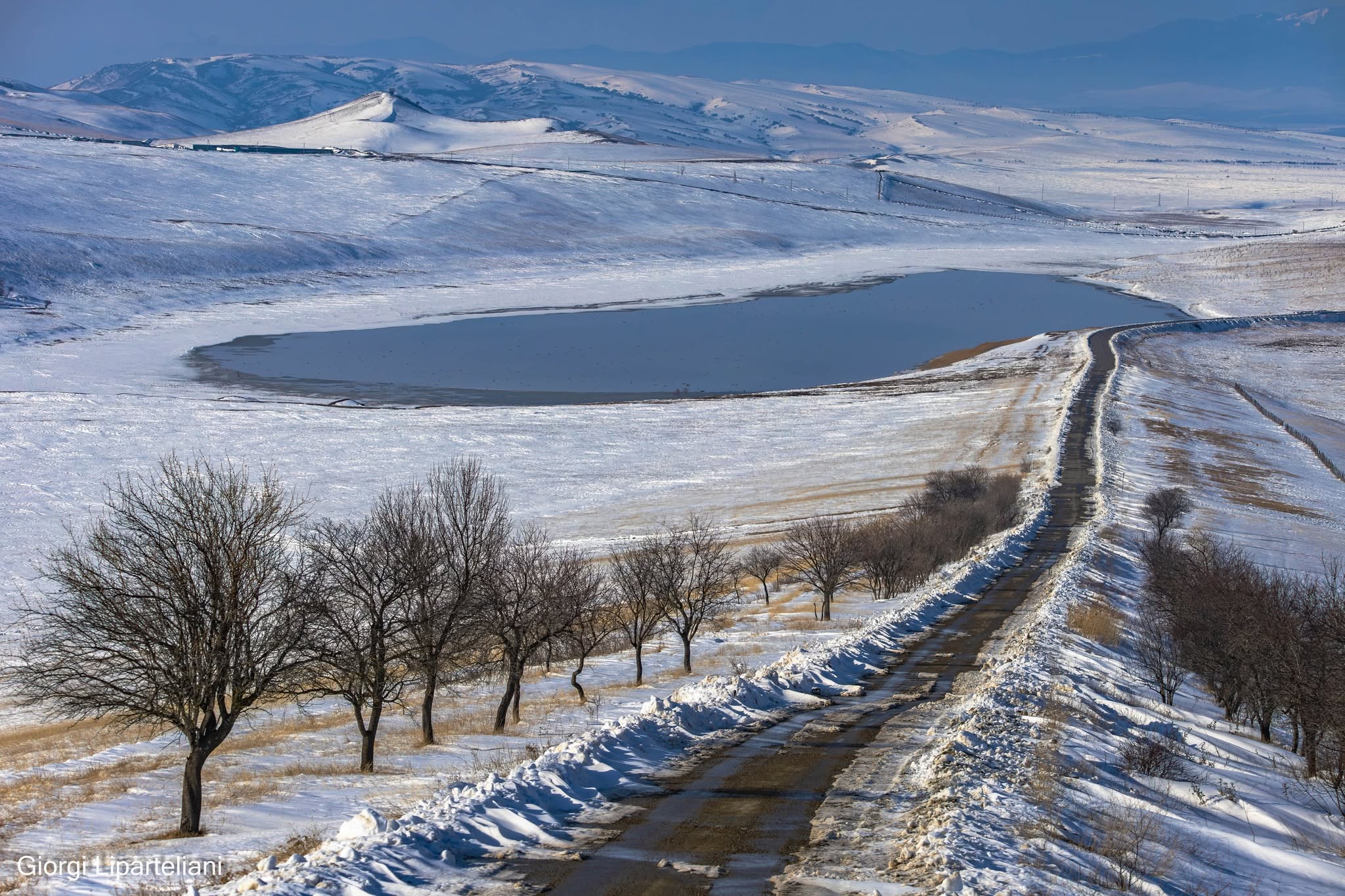
Winter: December–February

Winter: December–February

Skiing, snow-covered mountain landscapes and cultural city breaks. Road disruptions are possible.
Georgia by Season: When to Visit for Different Experiences

ExperienceRecommended period
Tbilisi sightseeingApril–June, September–October
Kakheti wine toursMay–October
Grape harvestUsually September–October
Kazbegi sightseeingMay–October
High-altitude hikingJuly–September
TushetiGenerally June–September, subject to road access
Black Sea holidaysJune–September
Skiing in GudauriGenerally December–March

Seasonal conditions vary from year to year. A sunny day in Tbilisi does not necessarily mean favorable weather in Kazbegi or Svaneti.

For mountain travel, check both the forecast at your destination and the condition of the roads leading there.

How to Get to Georgia

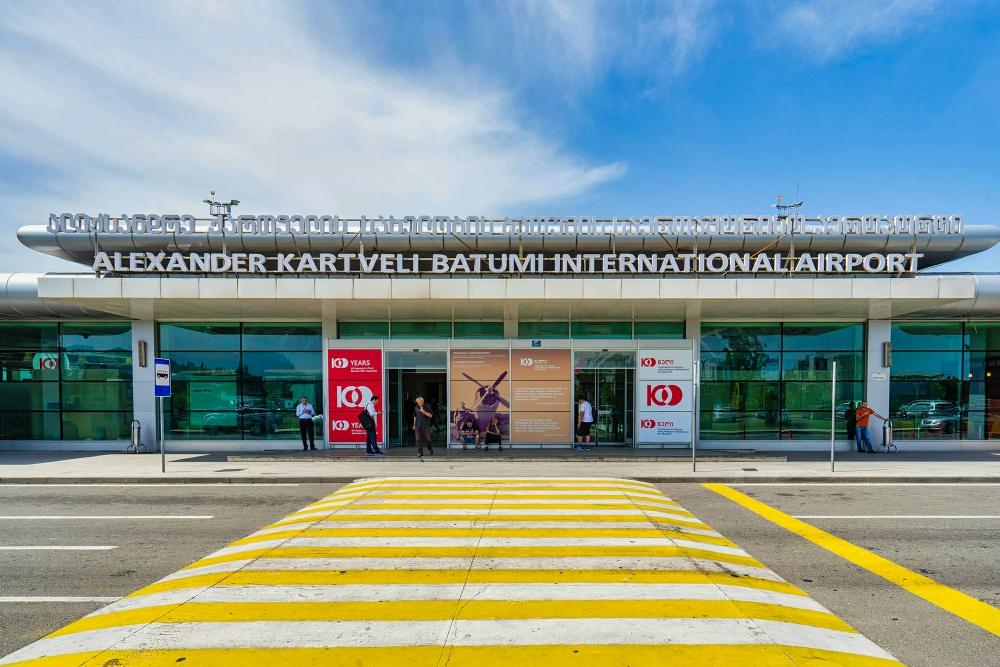
Georgia has three international airports serving different parts of the country. Choosing the right arrival airport can reduce travel time and help you design a more efficient itinerary.

Tbilisi (TBS)

Tbilisi (TBS)

Eastern Georgia.

Kutaisi (KUT)

Kutaisi (KUT)

Western Georgia.

Batumi (BUS)

Batumi (BUS)

Black Sea coast.

Which Airport Should You Fly Into?

AirportBest for visiting
Tbilisi International AirportTbilisi, Kakheti, Mtskheta, Kazbegi and eastern Georgia
Kutaisi International AirportKutaisi, Imereti, Samegrelo and western Georgia
Batumi International AirportBatumi, Adjara and the Black Sea coast

Tbilisi is usually the most convenient starting point for a first trip focused on eastern Georgia. Kutaisi can be a practical alternative for travelers exploring western Georgia.

If you plan to travel across the country, consider arriving at one airport and departing from another, when flight options allow.

Getting to Georgia by Land

Georgia has international land crossings with Armenia, Türkiye, Azerbaijan and Russia. Passenger access and border procedures are not identical at every crossing.

Do not assume that an international border is open to passenger traffic simply because it appears on a map. Confirm restrictions, visa conditions and crossing procedures through official government sources before planning an overland journey.

Getting from the Airport to Your Accommodation

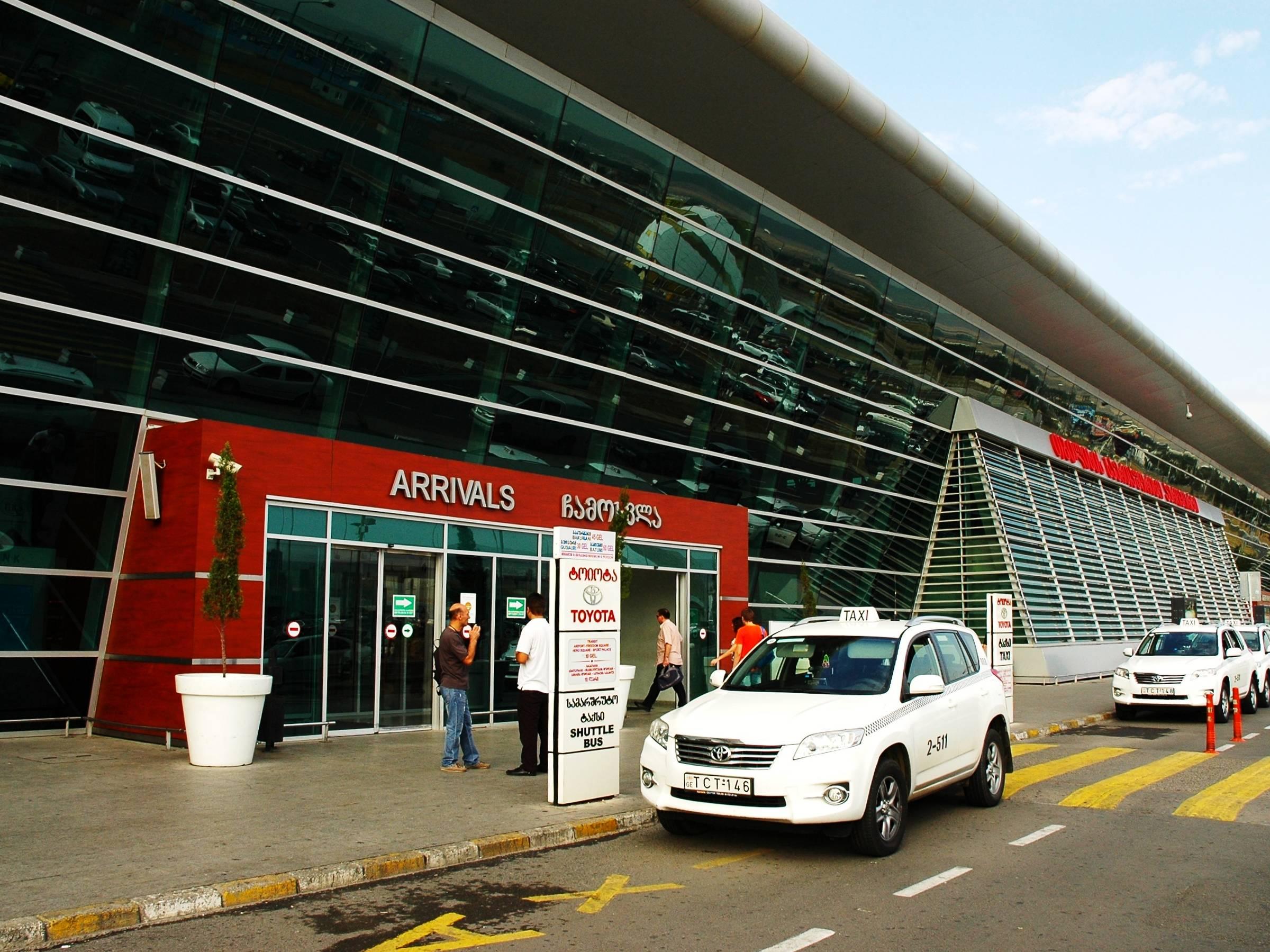
Depending on your arrival airport and time, options may include municipal buses, airport shuttles, taxis and pre-booked transfers.

Early-morning and late-night arrivals require additional planning, particularly when your final destination is outside the arrival city.

Explore private airport and intercity transfers in Georgia ↗

Getting Around Georgia

Georgia can be explored independently, through public transportation, with a rental car or by joining organized tours. The most suitable option depends on your route, budget and comfort with mountain driving.

Rail and public transport scaled 1
Marshrutkas and Intercity Buses 1
metro 1

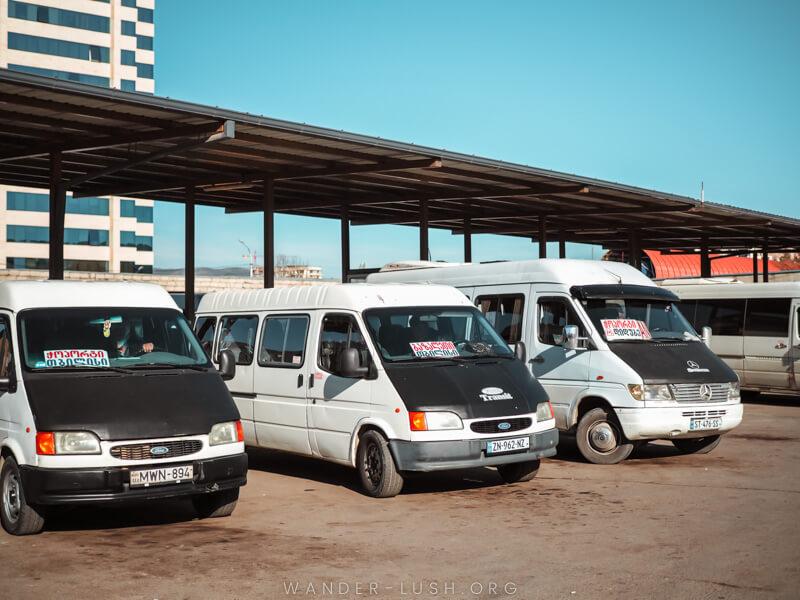
Marshrutkas and Intercity Buses

Marshrutkas are shared minibuses connecting many Georgian towns and cities. They are an economical way to travel, particularly on frequently served routes.

However, departure schedules, luggage arrangements and comfort levels can vary. Smaller villages may have very limited services.

In Tbilisi, different stations serve different destinations. Confirm your departure point before leaving your accommodation.

Trains in Georgia

Rail travel is particularly convenient between Tbilisi and Batumi, with additional services connecting selected destinations.

Trains offer more predictable seating and luggage arrangements than many minibuses. During holidays and the summer season, advance booking is advisable.

Check current schedules and fares through Georgian Railway.

Public Transportation in Tbilisi

Tbilisi has a metro system, municipal buses, minibuses and cable cars. Public transport is a convenient option for reaching many major attractions.

The city’s integrated fare system makes combining different forms of municipal transport relatively straightforward.

For current fares and route information, consult the Tbilisi Transport Company.

Taxis and Ride-Hailing Apps

App-based taxis offer a convenient way to move around larger Georgian cities. They are particularly useful when traveling with luggage or visiting locations that require several public transport connections.

Check the displayed fare before confirming your journey. Availability may be limited in rural areas.

Renting a Car in Georgia

Renting a car provides flexibility, particularly for travelers interested in smaller towns, wineries and rural landscapes.

However, a standard rental vehicle may not be suitable for every mountain road. Some destinations require higher ground clearance, appropriate seasonal equipment or considerable mountain-driving experience.

Check driving-license requirements, vehicle insurance and any restrictions imposed by your rental company.

Private Drivers and Transfers

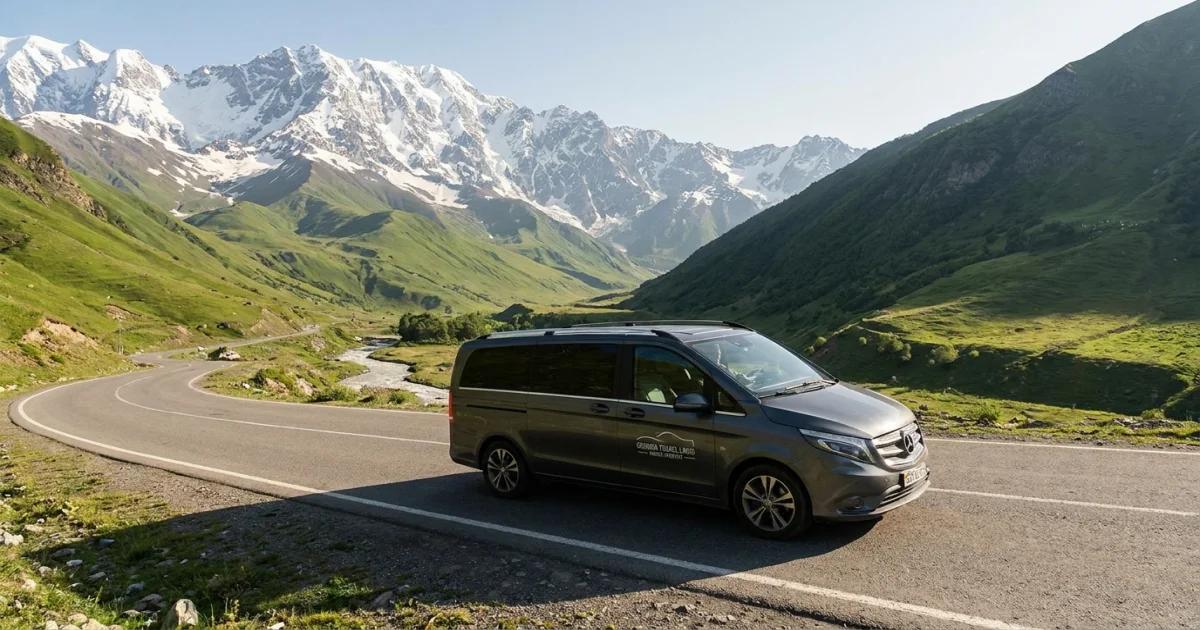
A private transfer is useful when you want to travel directly between destinations without navigating unfamiliar roads.

It can also help families, small groups and travelers with luggage avoid multiple transport connections.

Remember that a private driver and a professional tour guide provide different services. A driver primarily manages transportation, while a guide provides interpretation, historical context and sightseeing assistance.

Group and Private Tours

Organized tours can simplify access to attractions that are difficult to combine using public transportation.

A group tour is often a practical choice for a solo traveler or couple. Private tours offer greater flexibility over departure time, stops and pace.

Transportation Options Compared

TransportRelative costFlexibilityBest for
MarshrutkaLowLowBudget intercity travel
TrainLow–moderateLowLonger established routes
City taxiLow–moderateHighUrban journeys
Rental carModerate–highHighIndependent road trips
Private transferModerate–highHighDirect regional travel
Group tourModerateLow–moderateAccessible sightseeing
Private tourModerate–highHighCustomized experiences

How Long Does It Take to Travel Around Georgia?

Although Georgia is geographically compact, mountainous terrain makes some journeys considerably longer than their distance suggests.

RouteApproximate driving time
Tbilisi – Mtskheta30–45 minutes
Tbilisi – Sighnaghi1.5–2 hours
Tbilisi – Kazbegi3–4 hours
Tbilisi – Kutaisi3–4 hours
Tbilisi – Batumi5–6 hours
Kutaisi – Mestia5–6 hours
Mestia – Ushguli1.5–2.5 hours

These are indicative estimates for planning, excluding extended sightseeing stops, traffic, road closures and severe weather.

Avoid arranging a tightly scheduled international departure immediately after returning from a remote mountain region.

Transportation resources

How Much Does a Trip to Georgia Cost in 2027?

Georgia remains a good-value destination for many international travelers, but the cost of a holiday depends considerably on your accommodation, transportation and choice of activities.

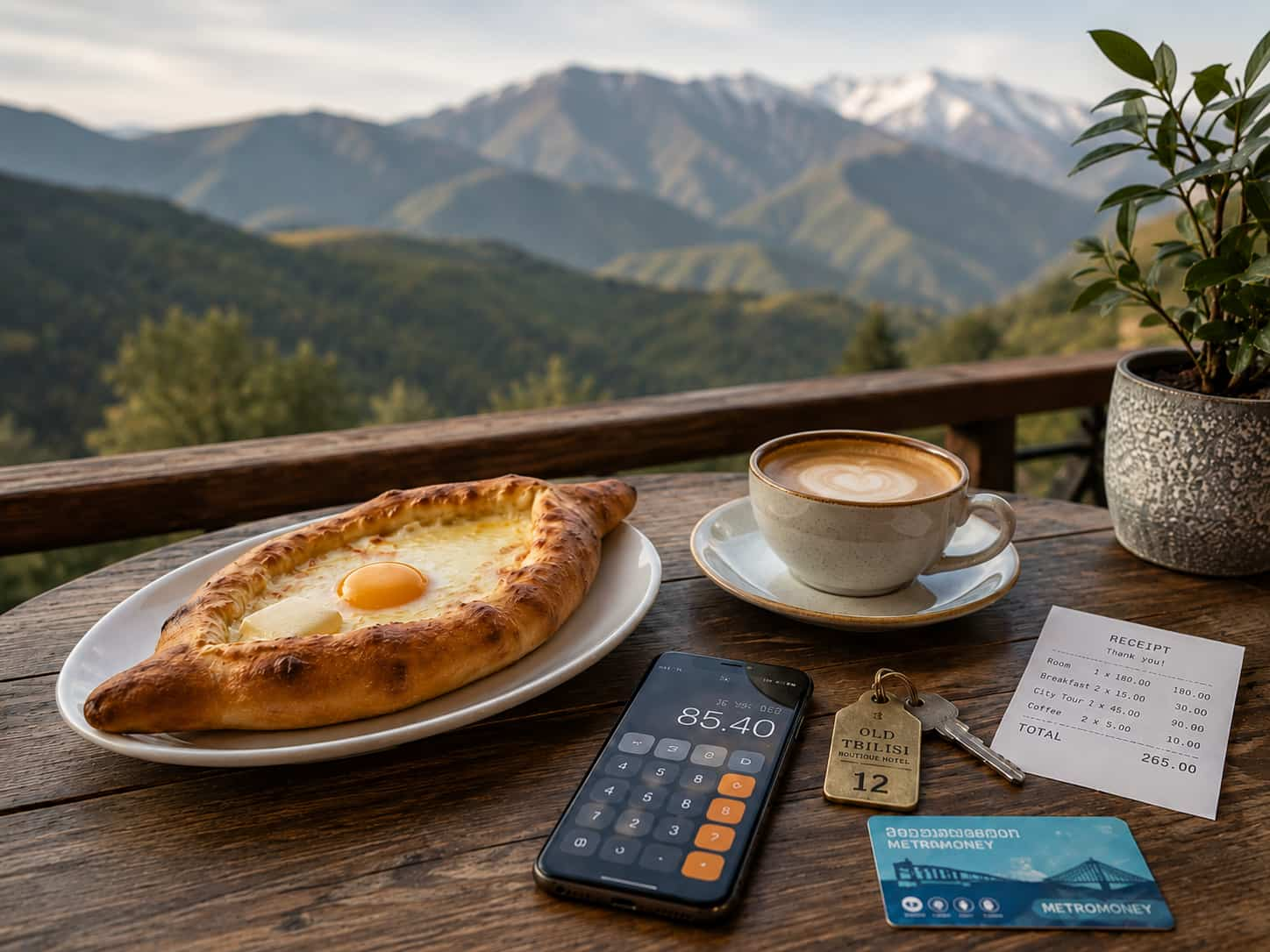
A trip based on guesthouses and public transportation will cost significantly less than one involving boutique hotels, private mountain transfers and customized tours.

Average Travel Costs in Georgia

The following estimates are based on 2026 prices and can be used as an initial planning reference for 2027.

ExpenseEstimated cost
Hostel bed25–50 GEL
Basic guesthouse room60–130 GEL
Comfortable hotel room130–300 GEL
Casual restaurant meal20–35 GEL
Mid-range restaurant meal40–70 GEL
Bakery snack3–8 GEL
Intercity marshrutka10–25 GEL on many routes
Group day tour80–150 GEL
Paid attractions10–40 GEL

Accommodation prices are generally per room, while meals and group tours are priced per person. Actual rates vary by destination, season and availability.

Daily Travel Budget

BudgetMid-rangeHigh-end
110–170 GEL / person / day230–420 GEL / person / day650+ GEL / person / day
Hostels, local cafes and public transportation.Comfortable hotels, restaurants and selected tours.Premium hotels, private transport and personalized experiences.

These planning estimates exclude international flights. Mid-range figures generally assume two travelers sharing accommodation.

Money and Payments in Georgia

The official currency is the Georgian lari (GEL). Credit and debit cards are widely accepted in larger cities, hotels and established restaurants.

However, cash is still useful when visiting rural areas, local markets, small guesthouses and remote mountain villages.

Check current exchange rates through the National Bank of Georgia.

Tipping is appreciated but generally discretionary. Check whether your restaurant bill already includes a service charge.

Plan your Georgia travel budget

Best Places to Visit in Georgia

From the historic neighborhoods of Tbilisi to the remote villages of the Greater Caucasus, Georgia offers destinations with remarkably different landscapes, traditions and travel experiences.

Rather than trying to visit every region, select destinations that complement each other geographically and suit the season of your trip.

Tbilisi — Georgia’s Historic and Cultural Capital

Tbilisi — Georgia’s Historic and Cultural Capital

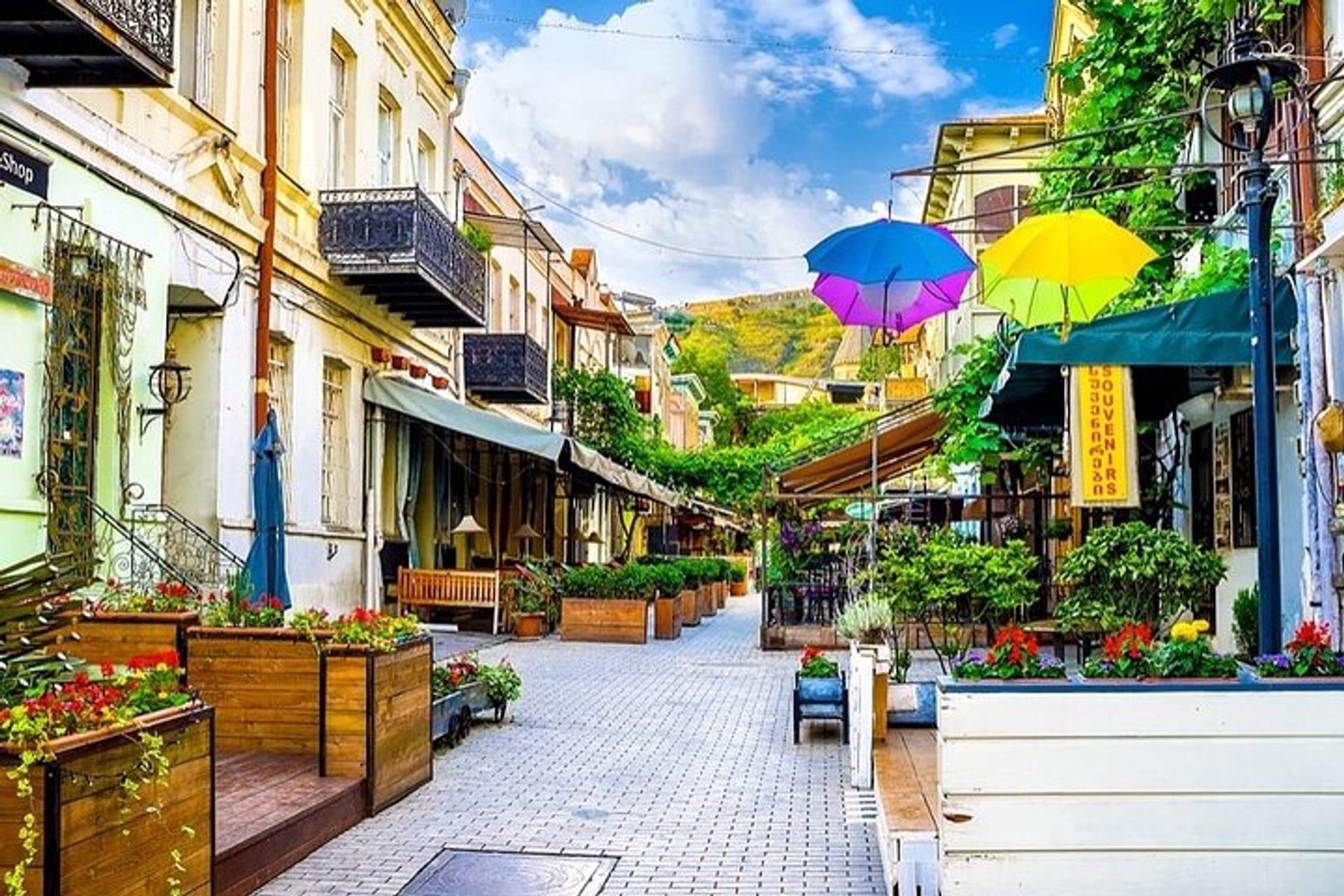
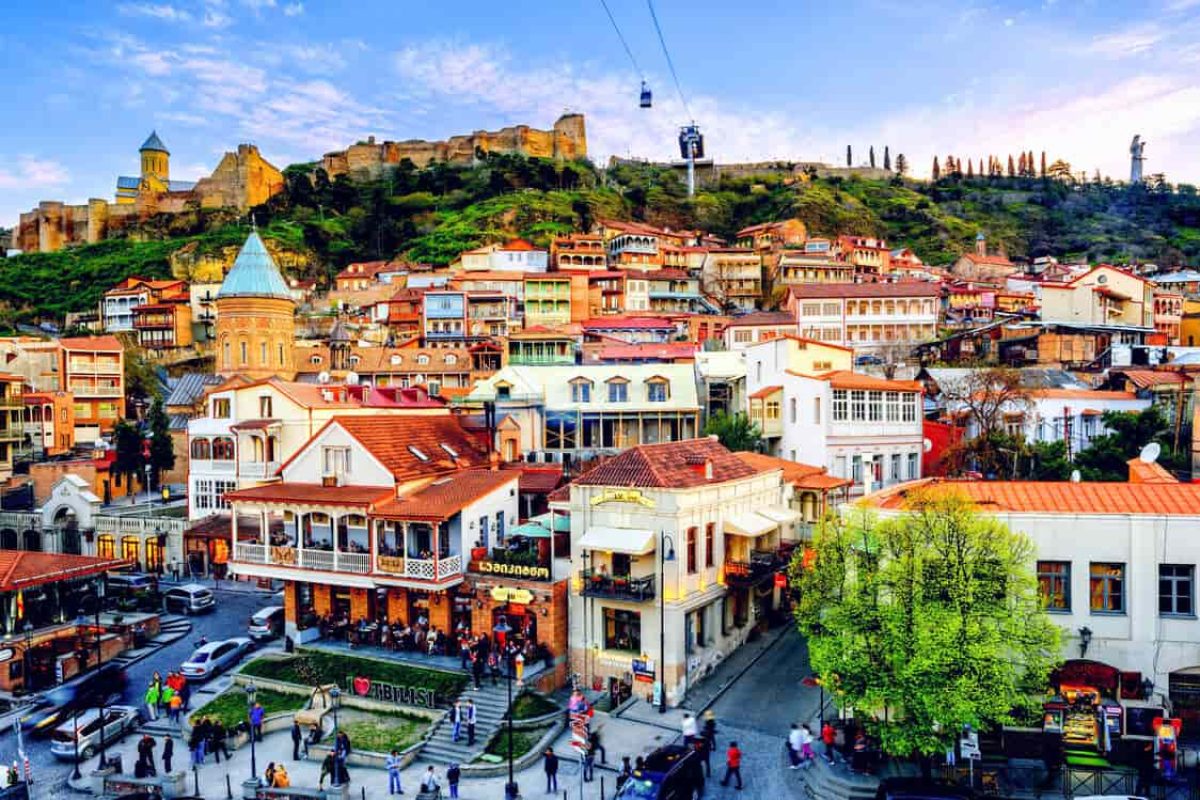
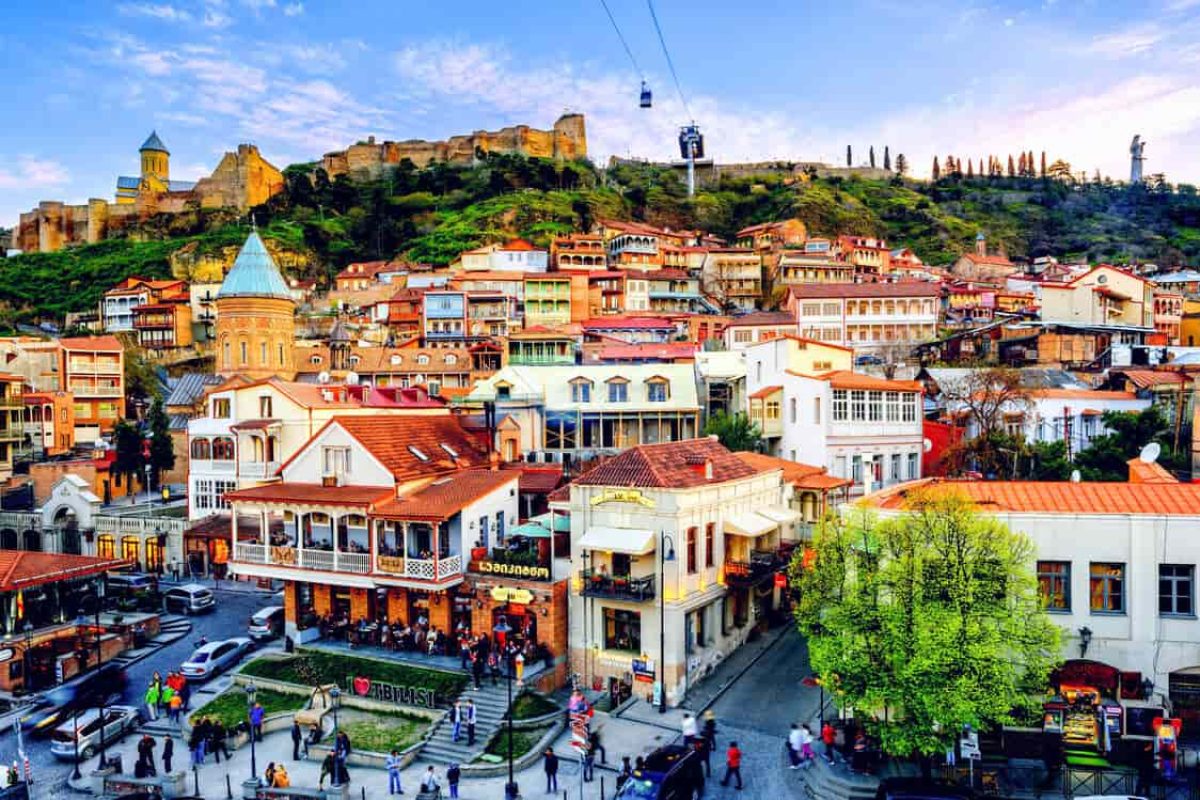
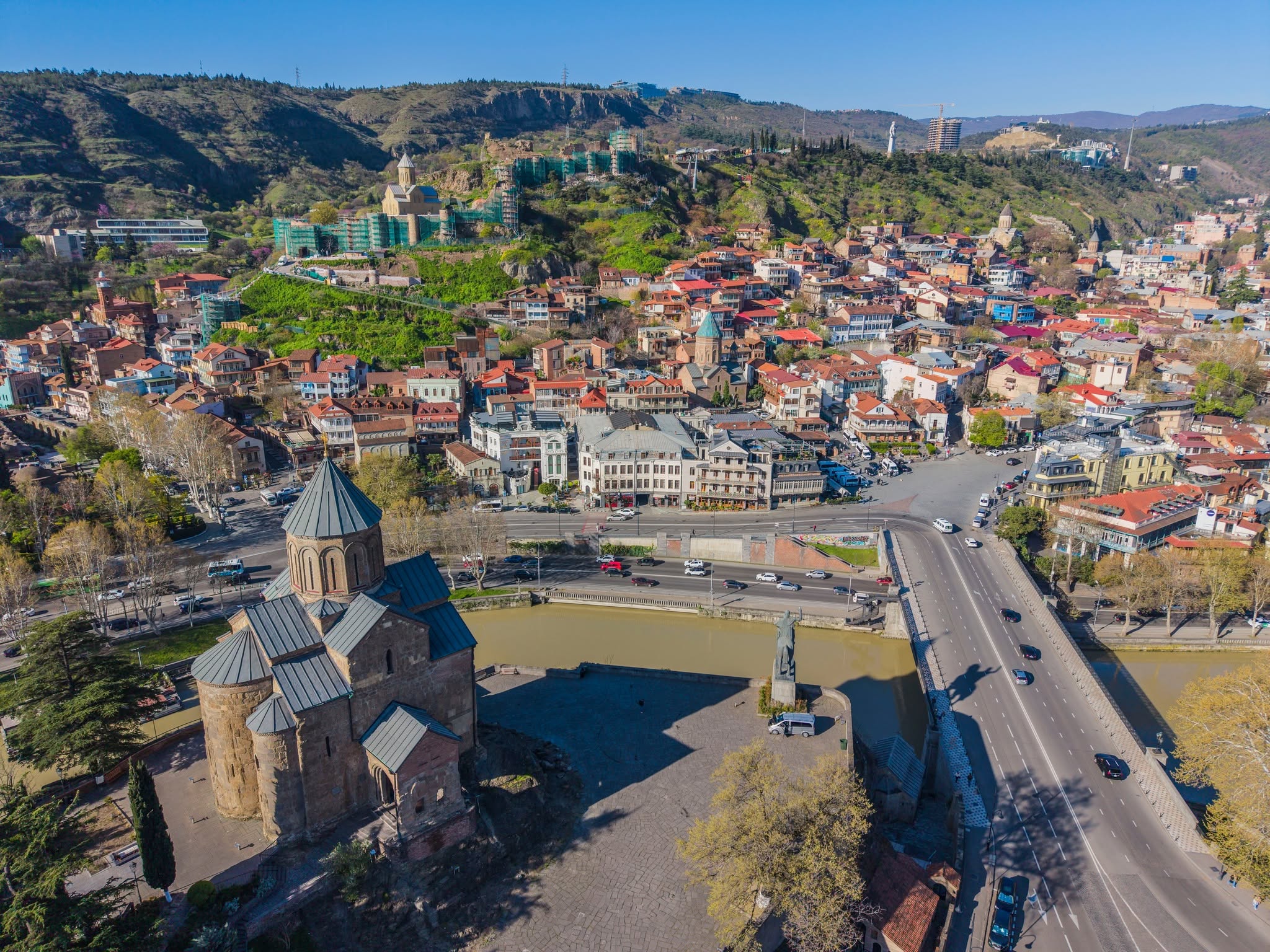
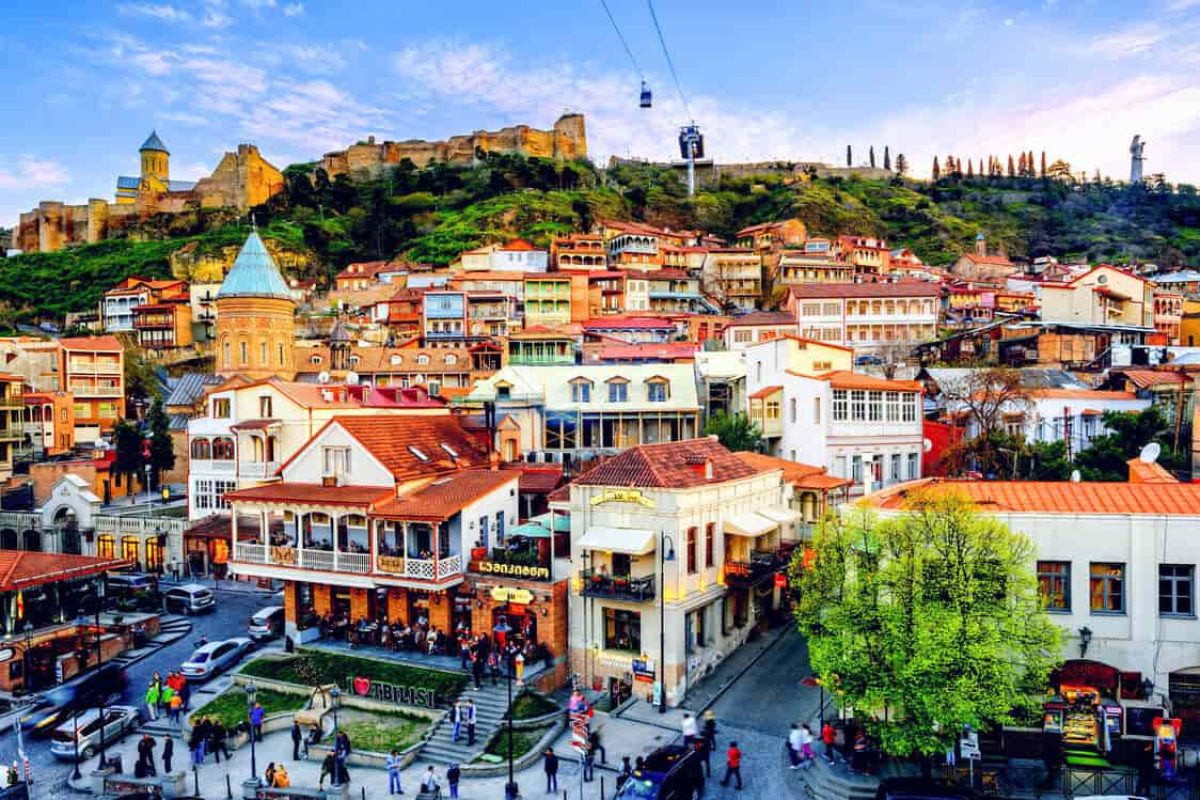
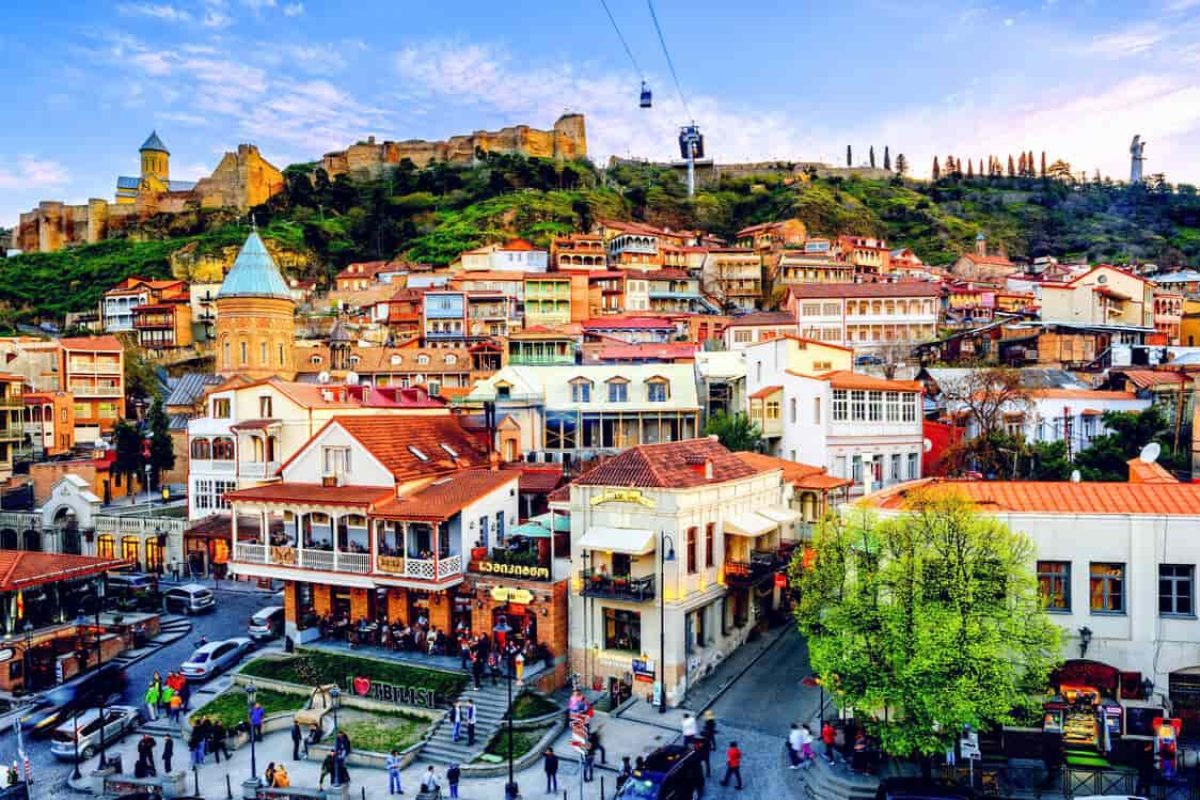
Tbilisi is the natural starting point for many journeys through Georgia. Its historic Old Town, sulfur baths, traditional balconies, churches and contemporary restaurants provide an introduction to the country’s culture.

Explore Abanotubani, walk through the historic Sololaki neighborhood, visit the Georgian National Museum and discover viewpoints overlooking the Mtkvari River.

Tbilisi also serves as a convenient base for day trips to Mtskheta, Kakheti, Gori and Kazbegi.

Recommended stay
2–3 days.
Best for
Culture, architecture, food, nightlife and day trips.

Read the destination guide →

Mtskheta — Georgia’s Ancient Capital

Mtskheta - River Aragvi and Mtkvari

Located close to Tbilisi, Mtskheta is one of Georgia’s most significant historical and religious destinations.

Svetitskhoveli Cathedral and Jvari Monastery provide insight into the development of Christianity in Georgia and the country’s medieval architectural heritage.

The Historical Monuments of Mtskheta are recognized as a UNESCO World Heritage Site.

Mtskheta is suitable for a half-day excursion or can be combined with other destinations in eastern Georgia.
Recommended stay
Half a day to one day.
Best for
History, religious heritage and short excursions.

Kazbegi — The Greater Caucasus Mountains

Gergeti Glacier

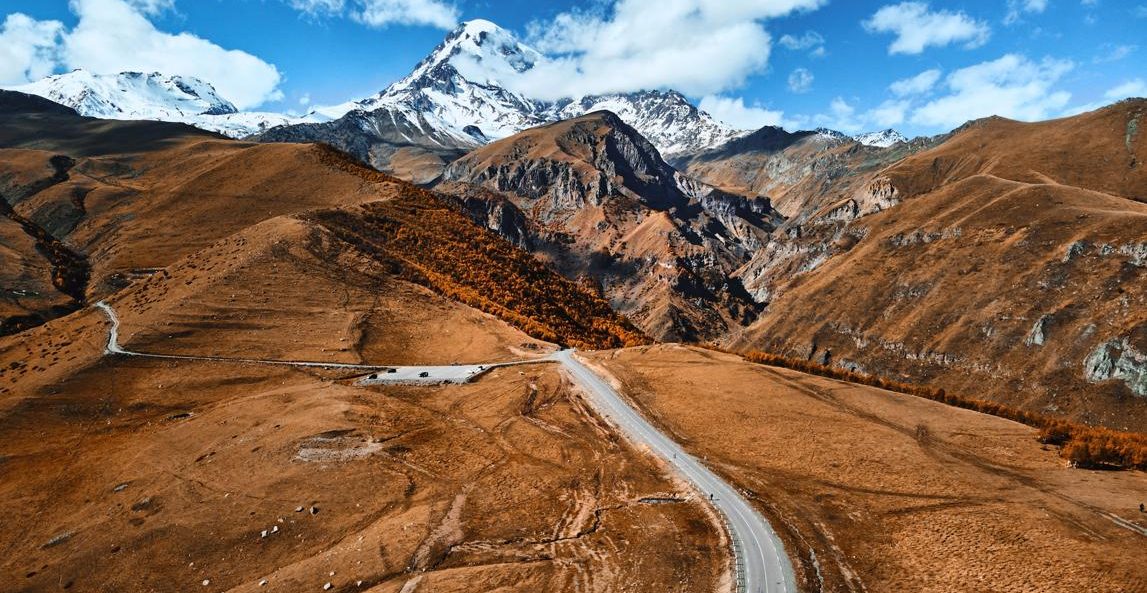
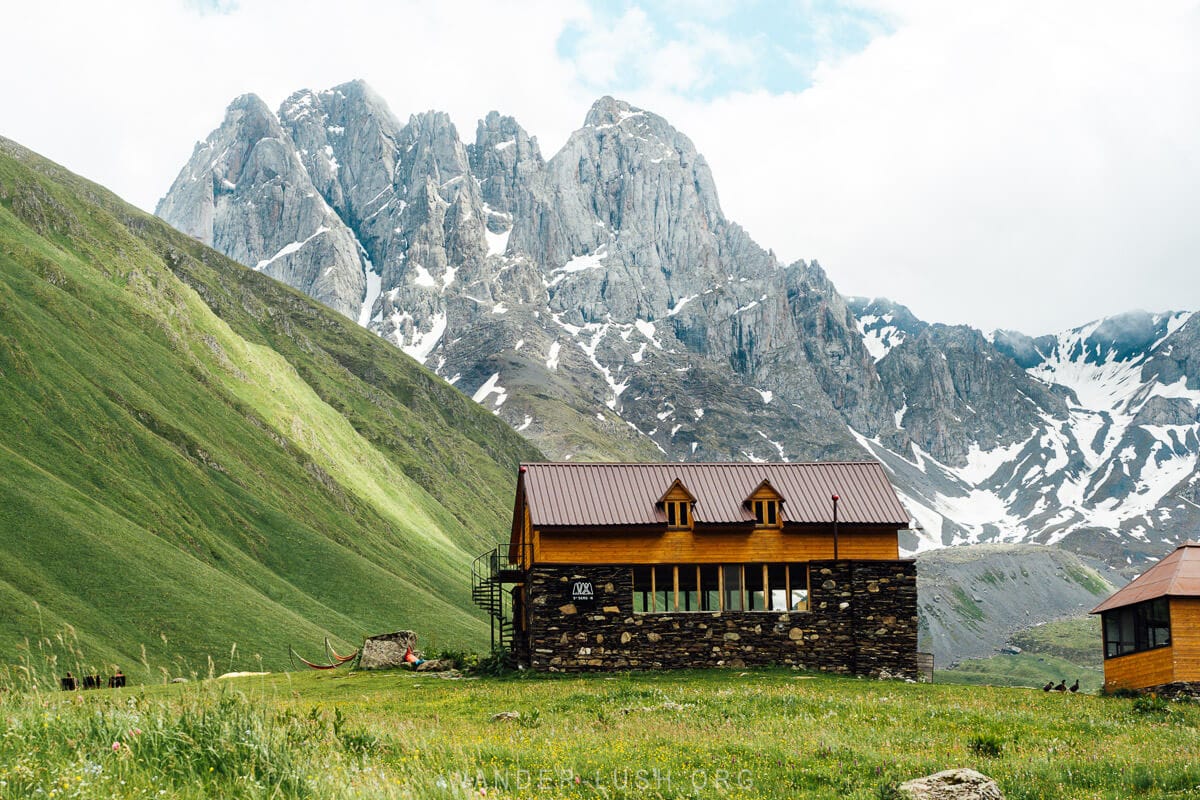
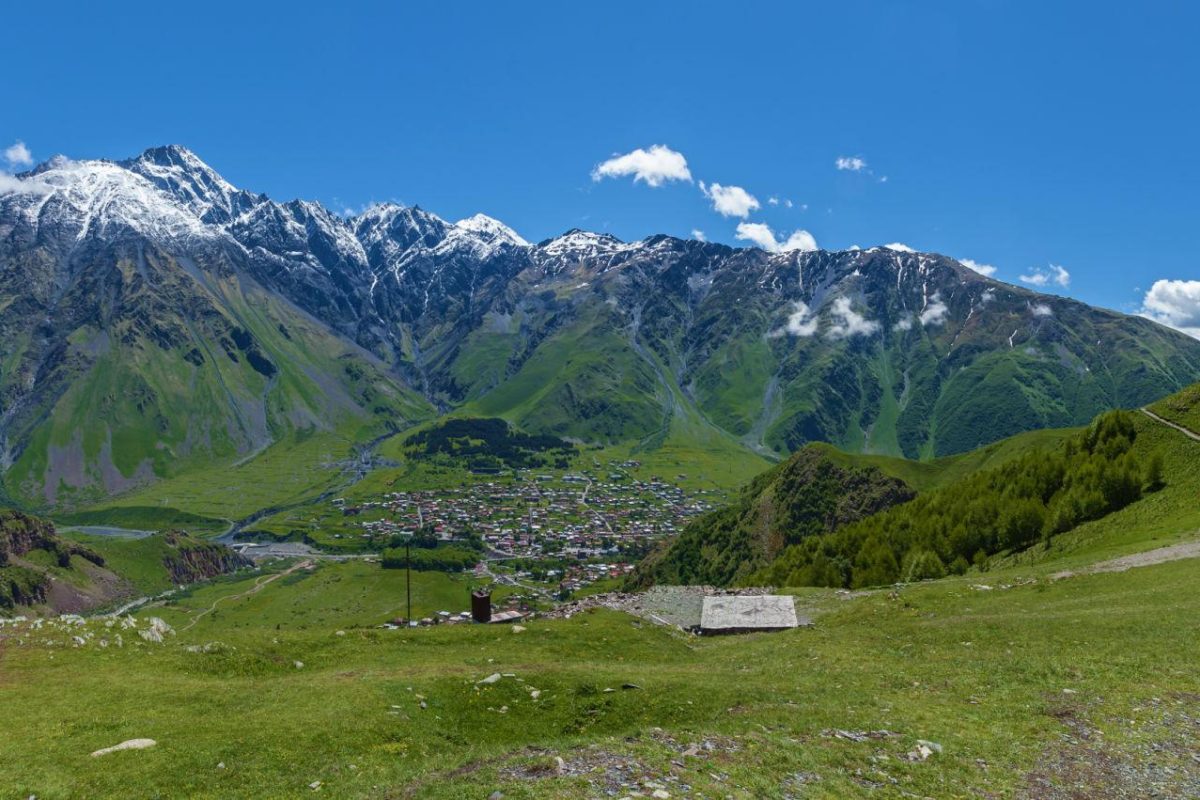
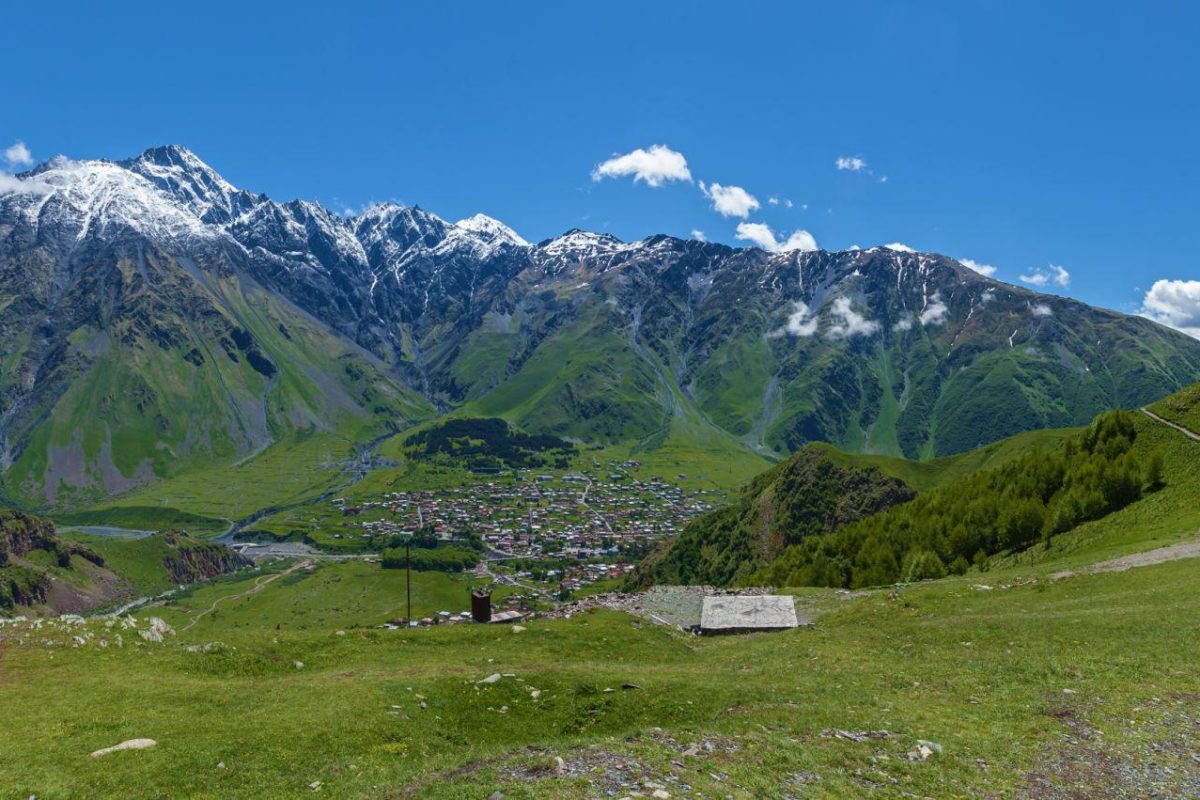
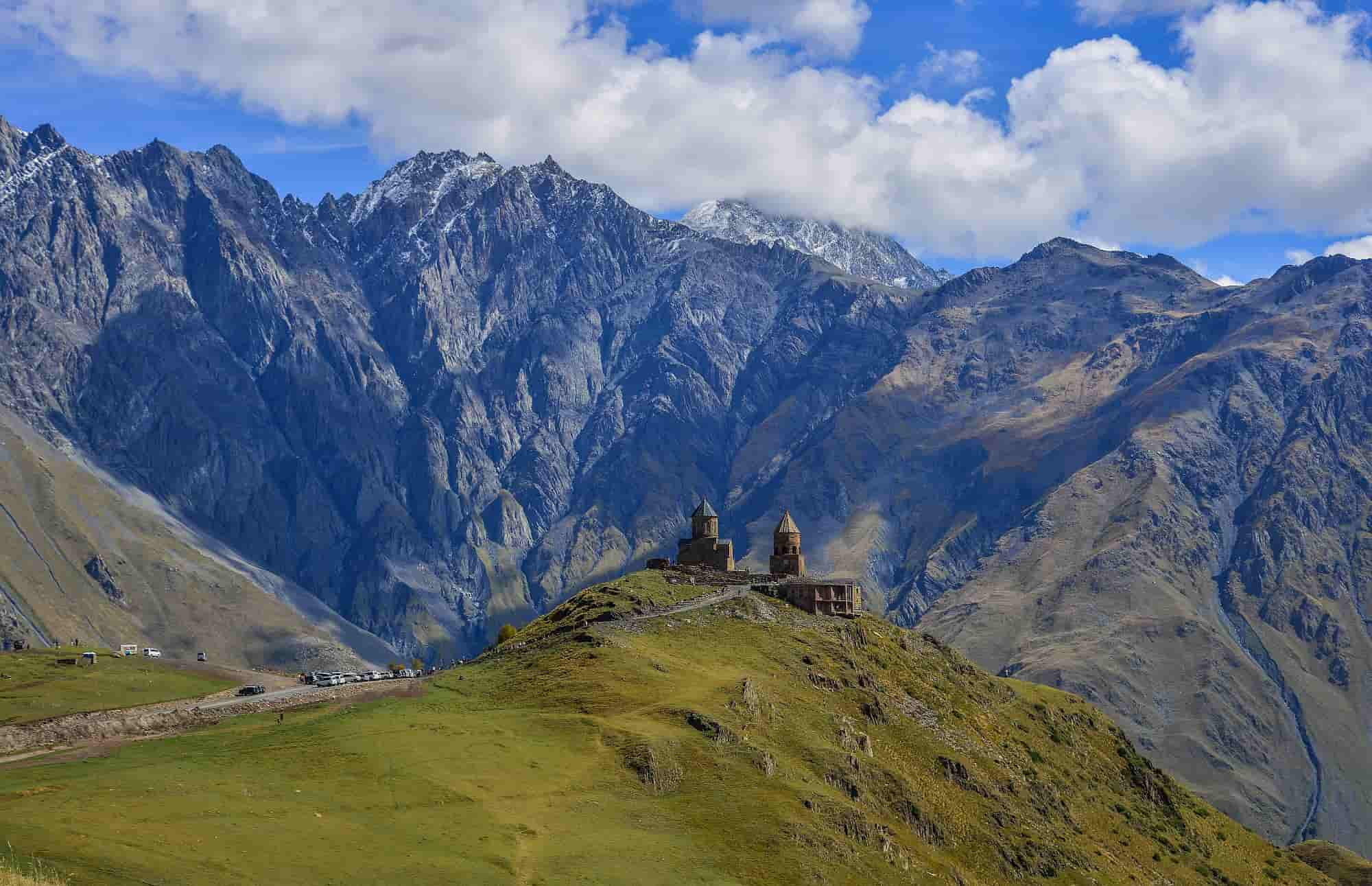
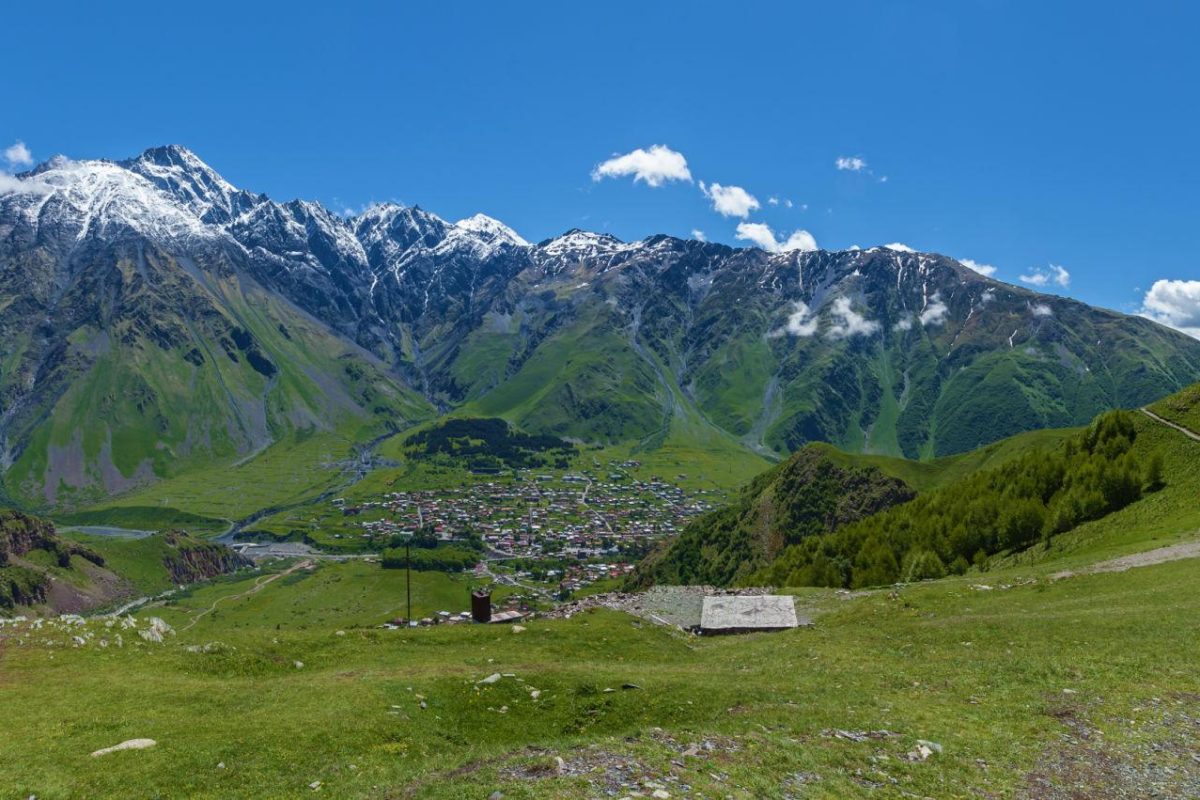
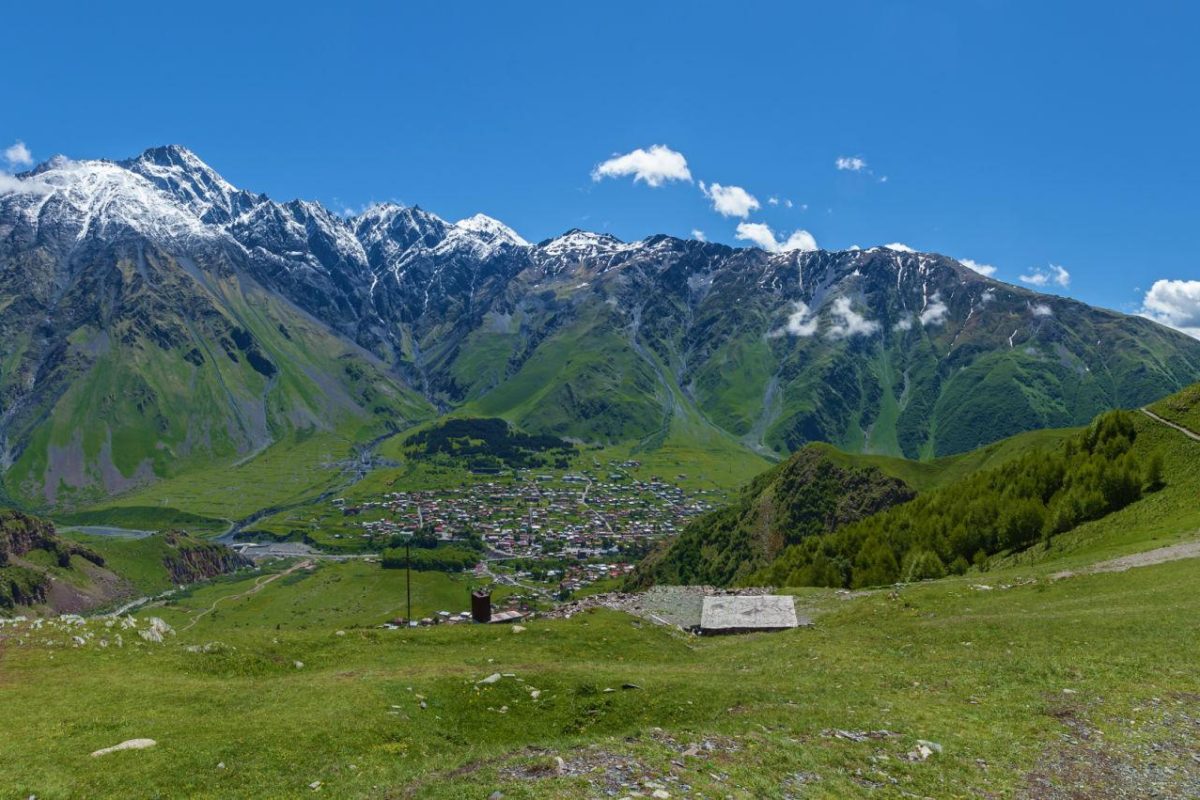
Kazbegi, centered around the town of Stepantsminda, is one of the most accessible ways to experience Georgia’s high mountain landscapes.

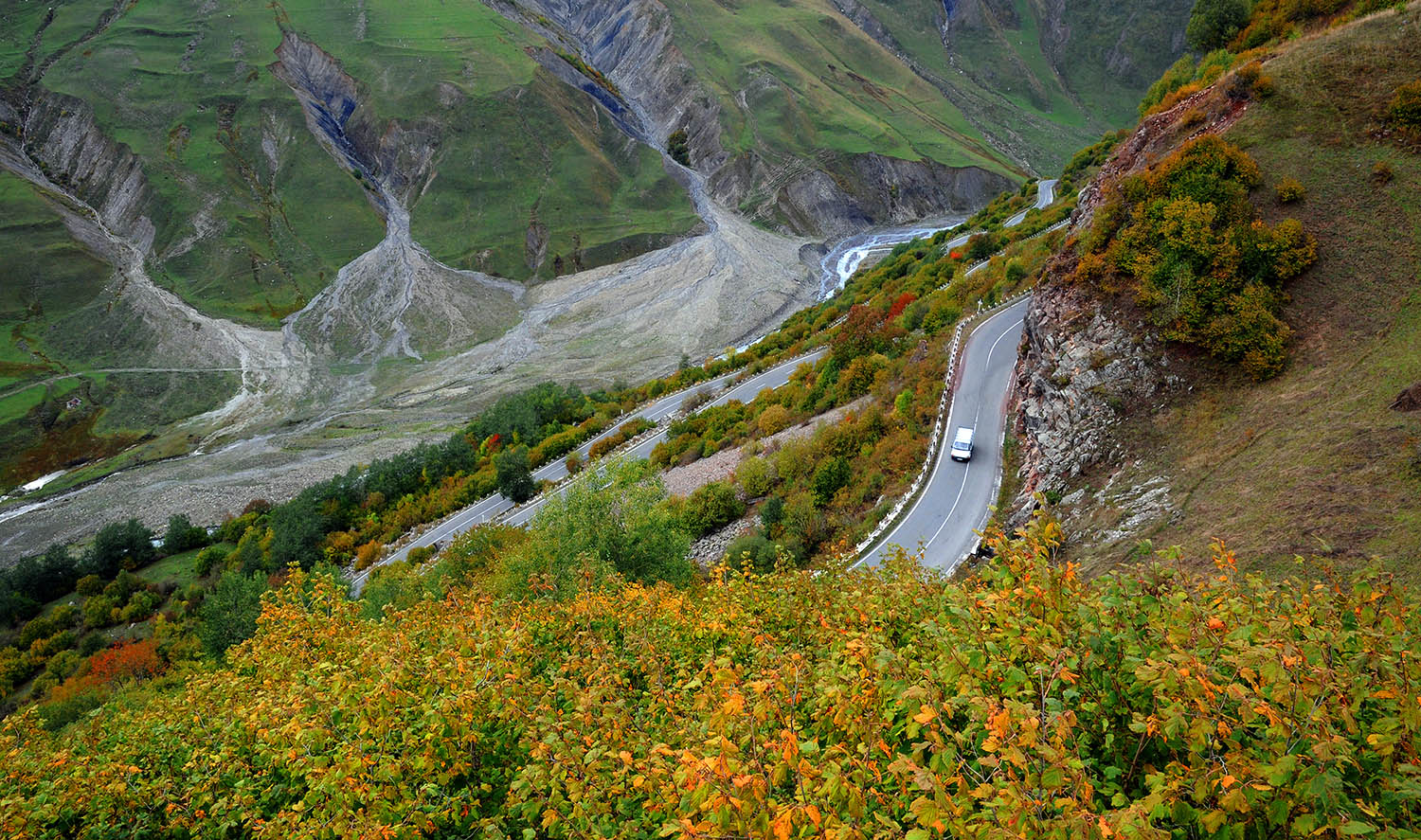
The journey from Tbilisi follows the Georgian Military Highway, passing reservoirs, medieval fortifications, mountain valleys and the Gudauri area.

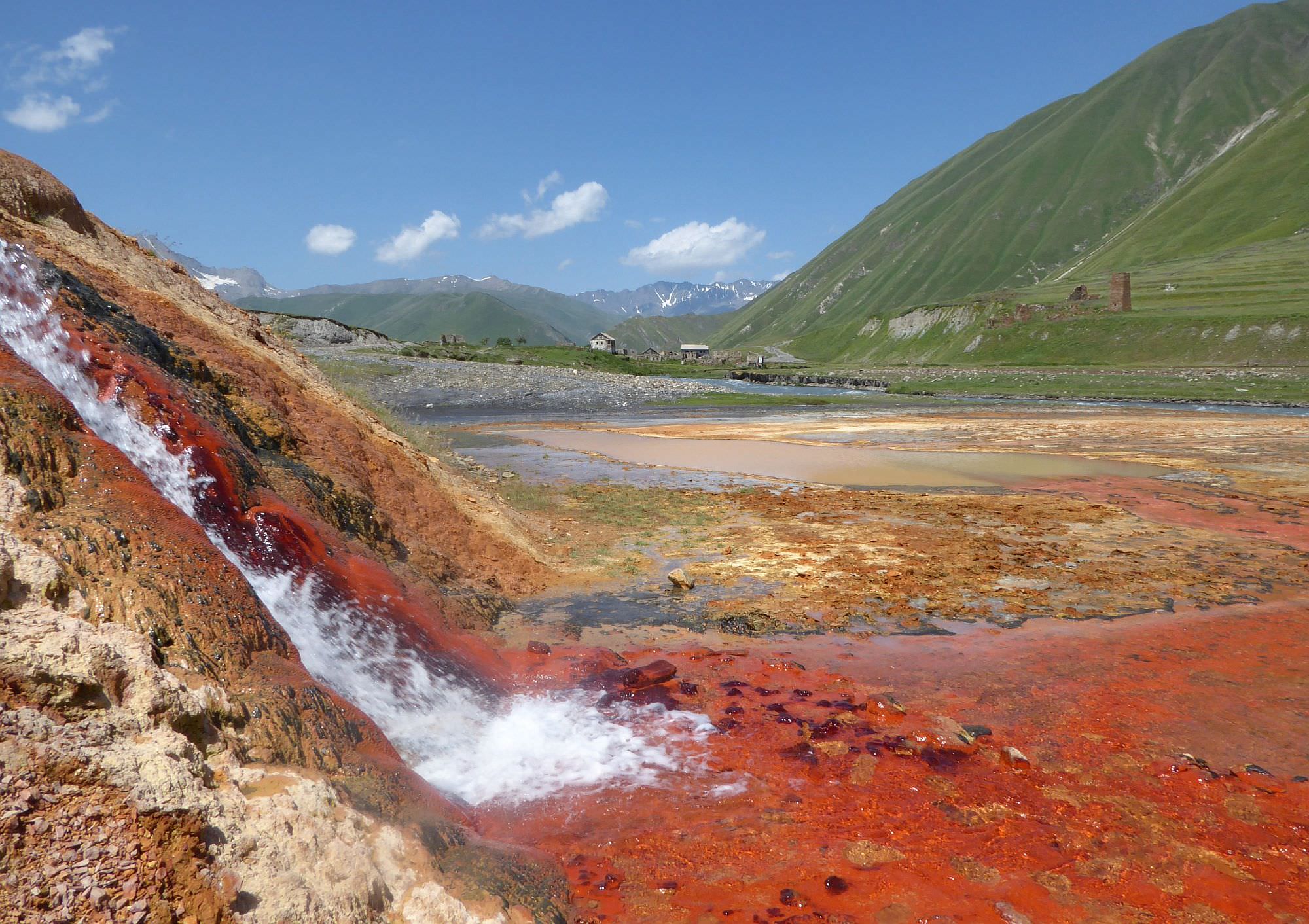
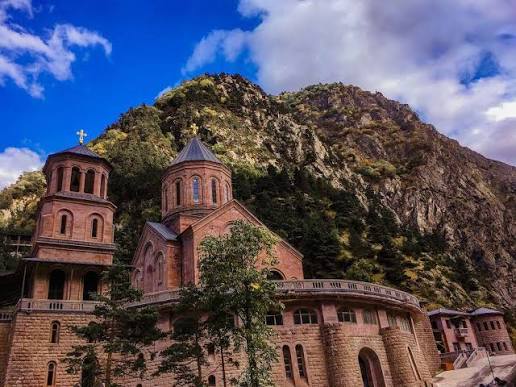
Gergeti Trinity Church is the region’s best-known landmark, but Kazbegi offers much more than a single viewpoint. Truso Valley, Juta, Dariali Gorge and Gveleti Waterfalls make the area particularly rewarding for travelers who enjoy nature.

A day trip is possible from Tbilisi, although staying overnight provides more flexibility for weather-dependent sightseeing and hiking.
Recommended stay
1–3 days.
Best for
Mountain scenery, photography, hiking and road trips.

Read the destination guide →

Explore our Kazbegi travel guides

Kakheti — Georgia’s Wine Country

Kakheti — Georgia’s Wine Country

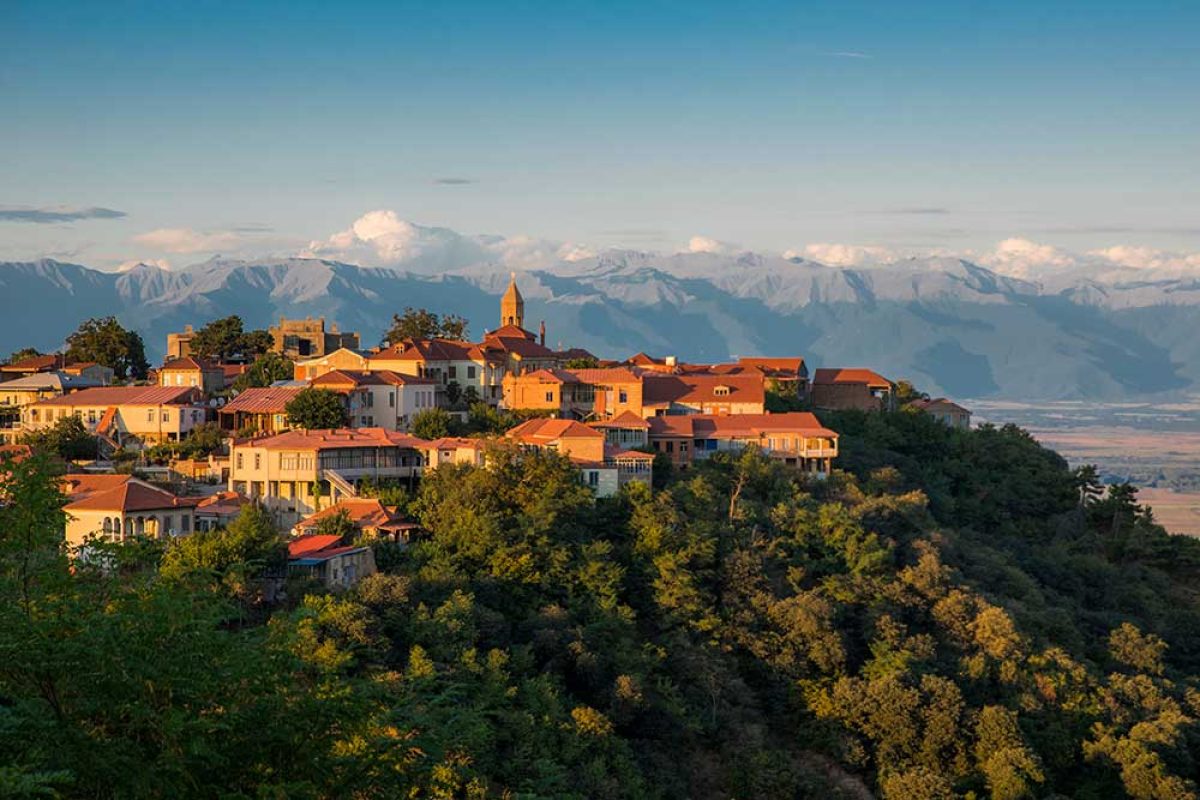
Kakheti is Georgia’s best-known wine region and an excellent destination for discovering the relationship between wine, food, agriculture and local traditions.

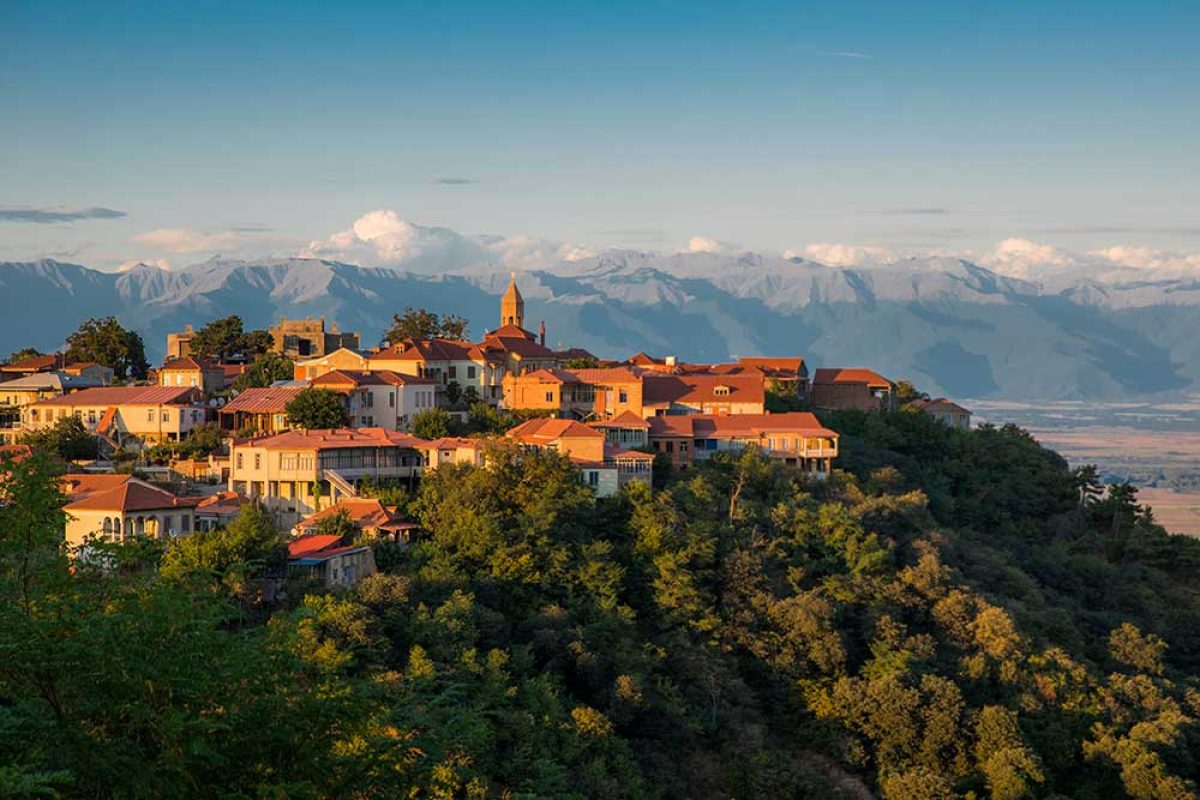
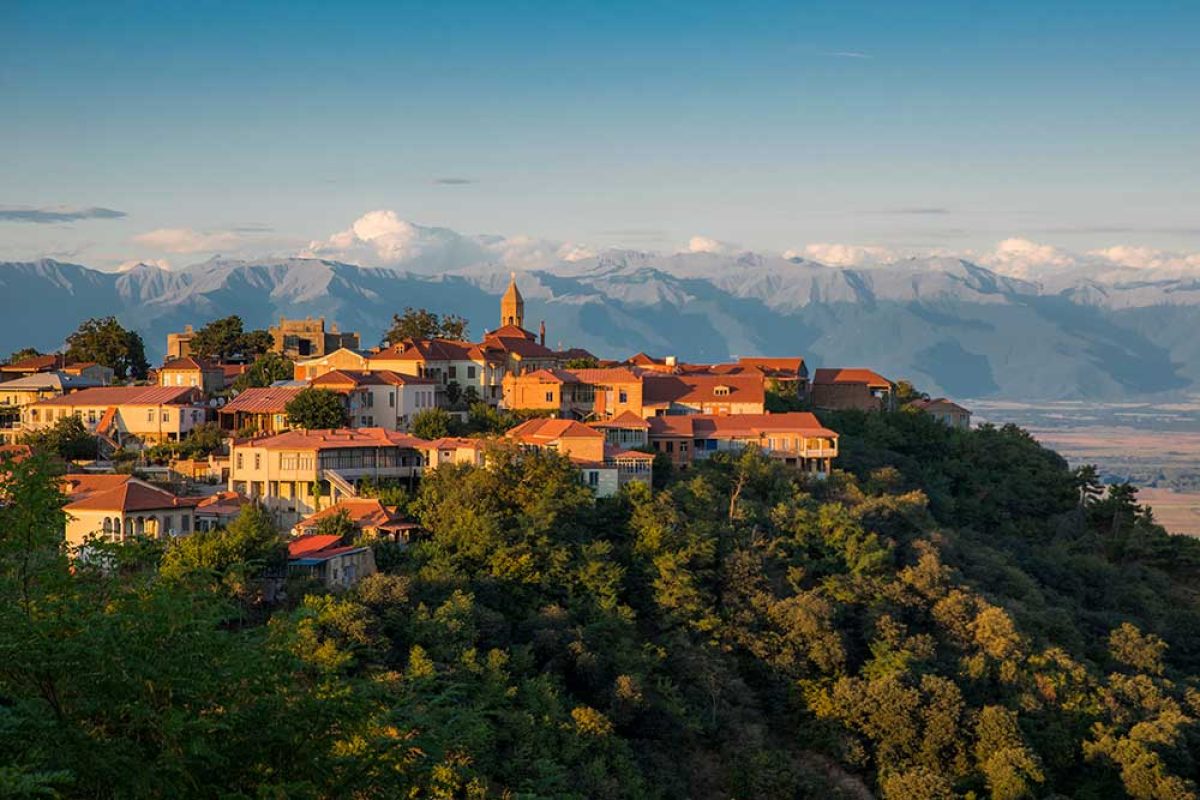
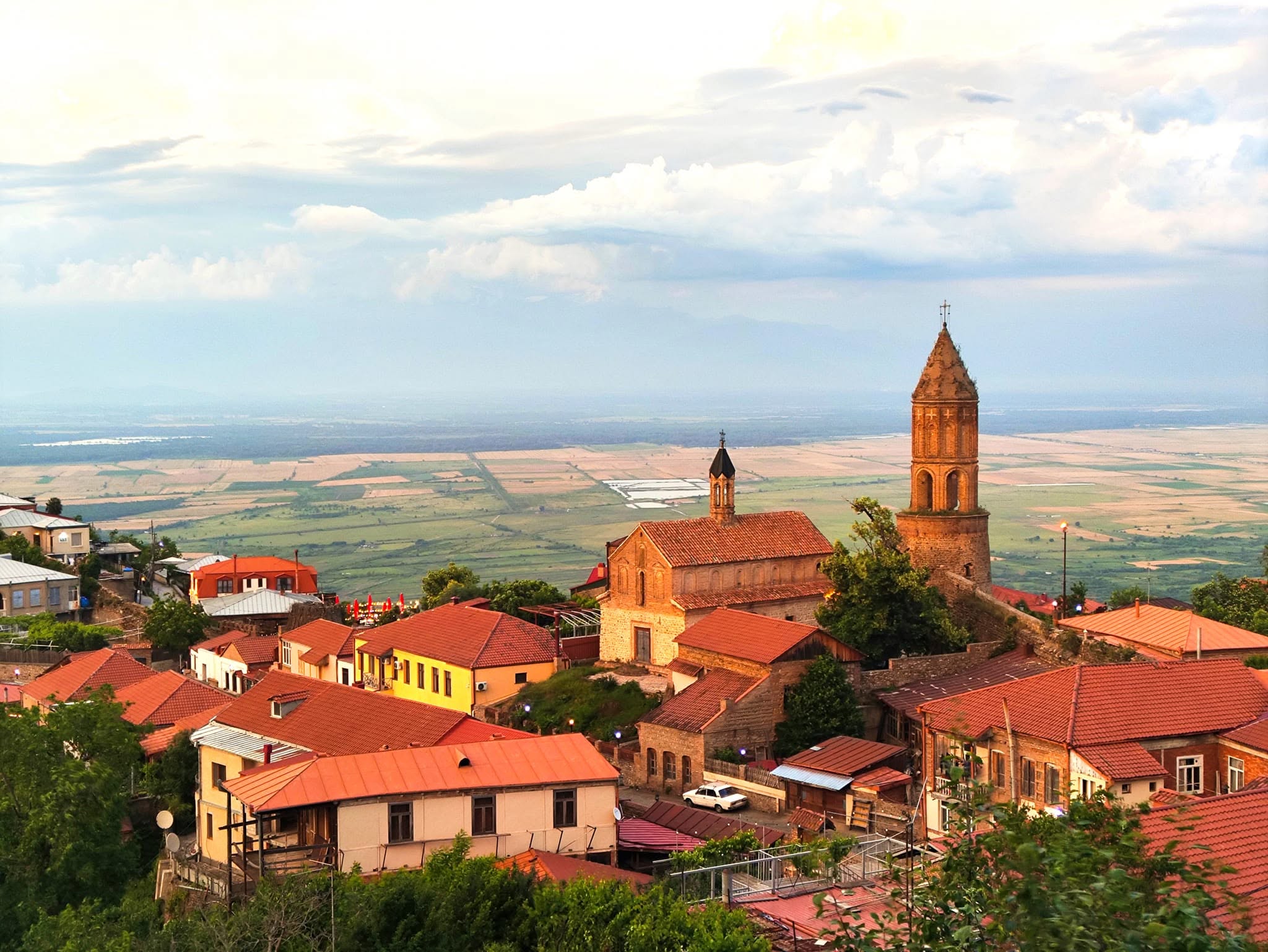
The hilltop town of Sighnaghi overlooks the Alazani Valley, while Telavi provides a convenient base for exploring wineries and historical landmarks.

Highlights include Bodbe Monastery, Tsinandali Estate, Gremi, Alaverdi Cathedral and traditional family wine cellars.

A wine-focused trip should allow enough time to visit fewer wineries at a relaxed pace rather than moving quickly between multiple tastings.
Recommended stay
1–3 days.
Best for
Wine tourism, food, cultural heritage and countryside stays.

Read the destination guide →

Kutaisi and Imereti — Western Georgia

Kutaisi is an excellent starting point for discovering western Georgia. The city combines historical architecture, lively markets and convenient access to surrounding natural attractions.

Gelati Monastery is one of Georgia’s UNESCO World Heritage properties. Visitors should check current access and conservation restrictions before visiting.

The surrounding region also provides access to Prometheus Cave, nearby nature reserves and attractions in neighboring Samegrelo.

Recommended stay
2–3 days.
Best for
History, caves, canyons and western Georgia road trips.

Svaneti — Medieval Villages and Alpine Adventures

Svaneti — Medieval Villages and Alpine Adventures

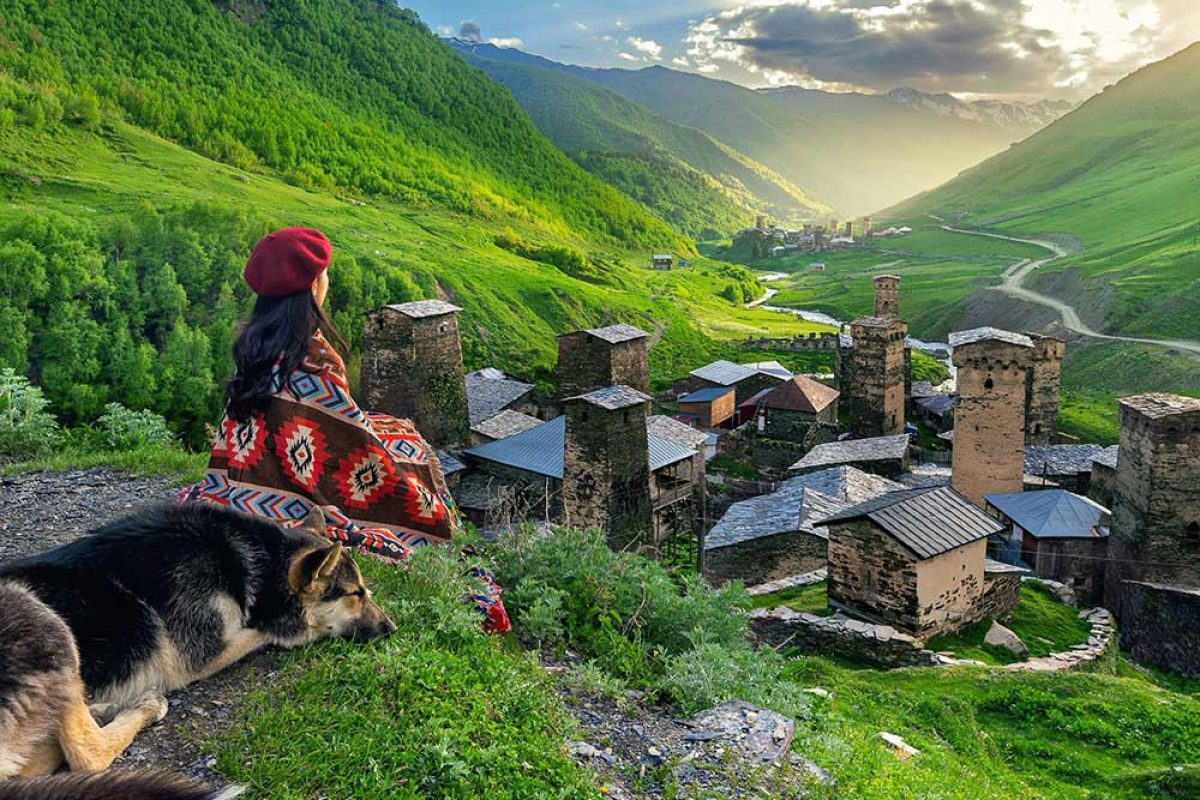
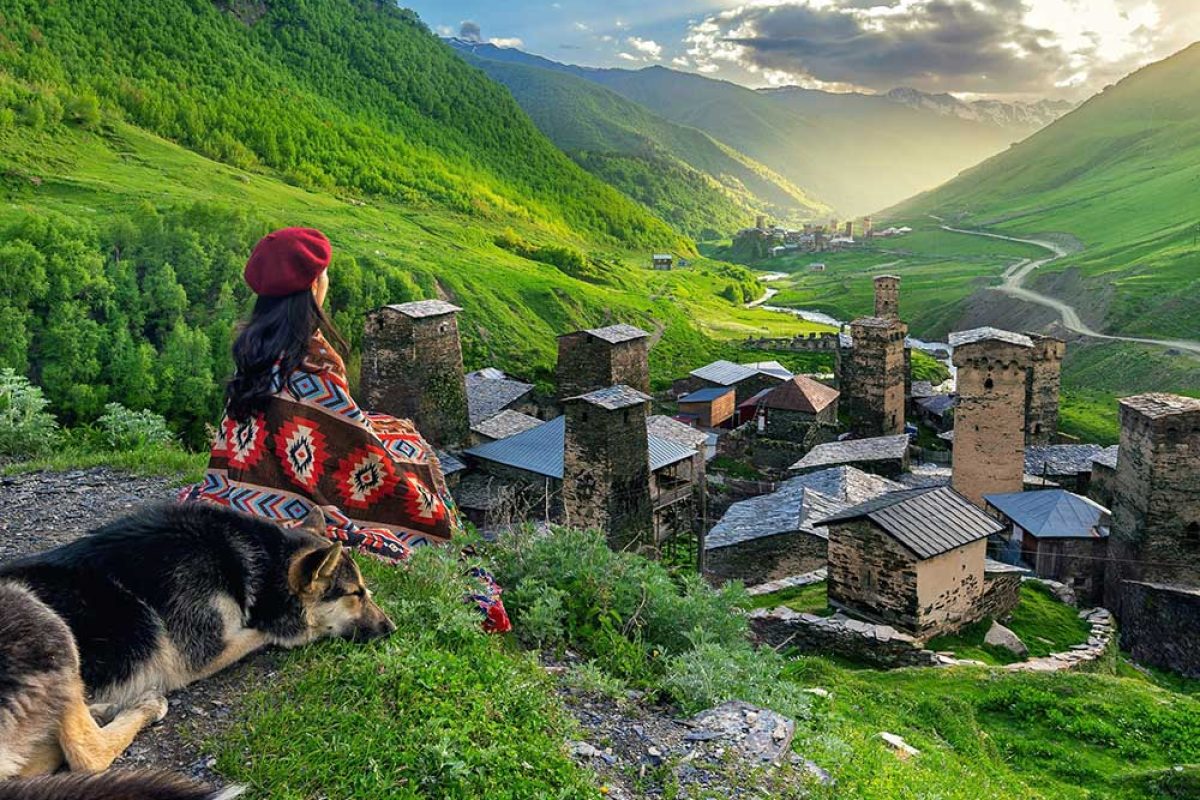
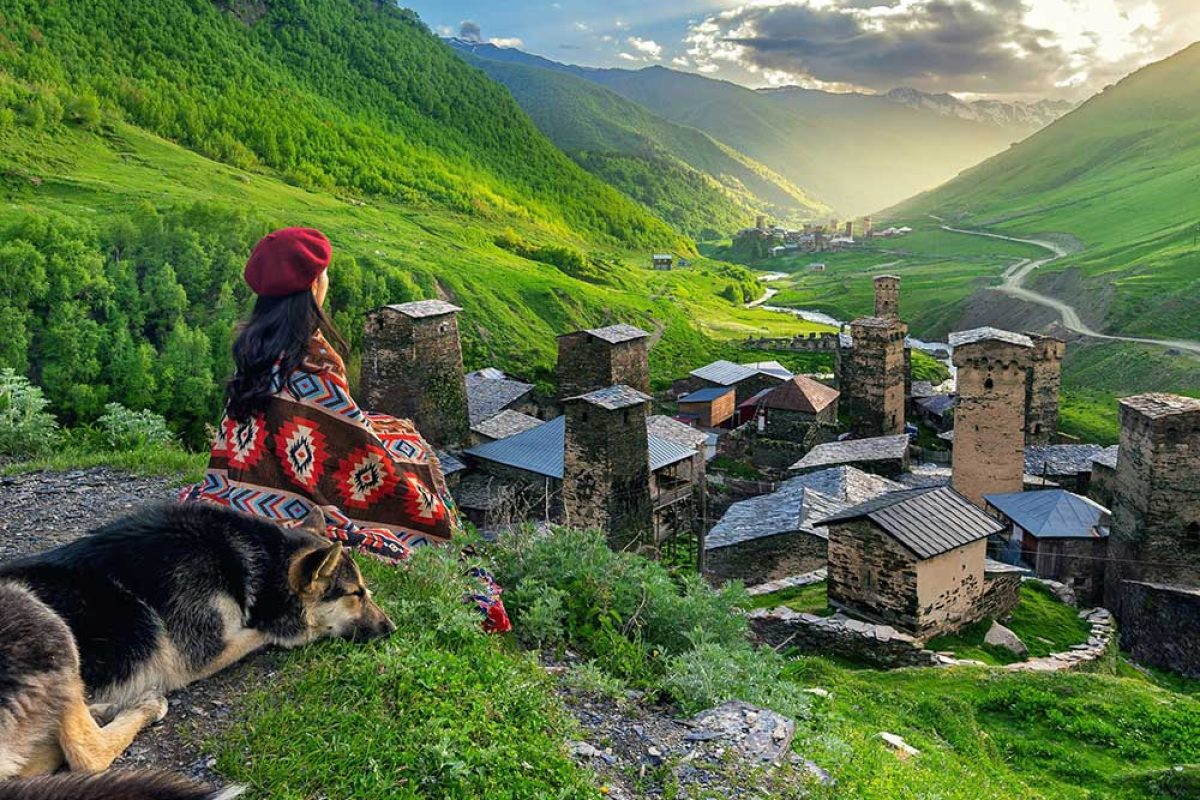
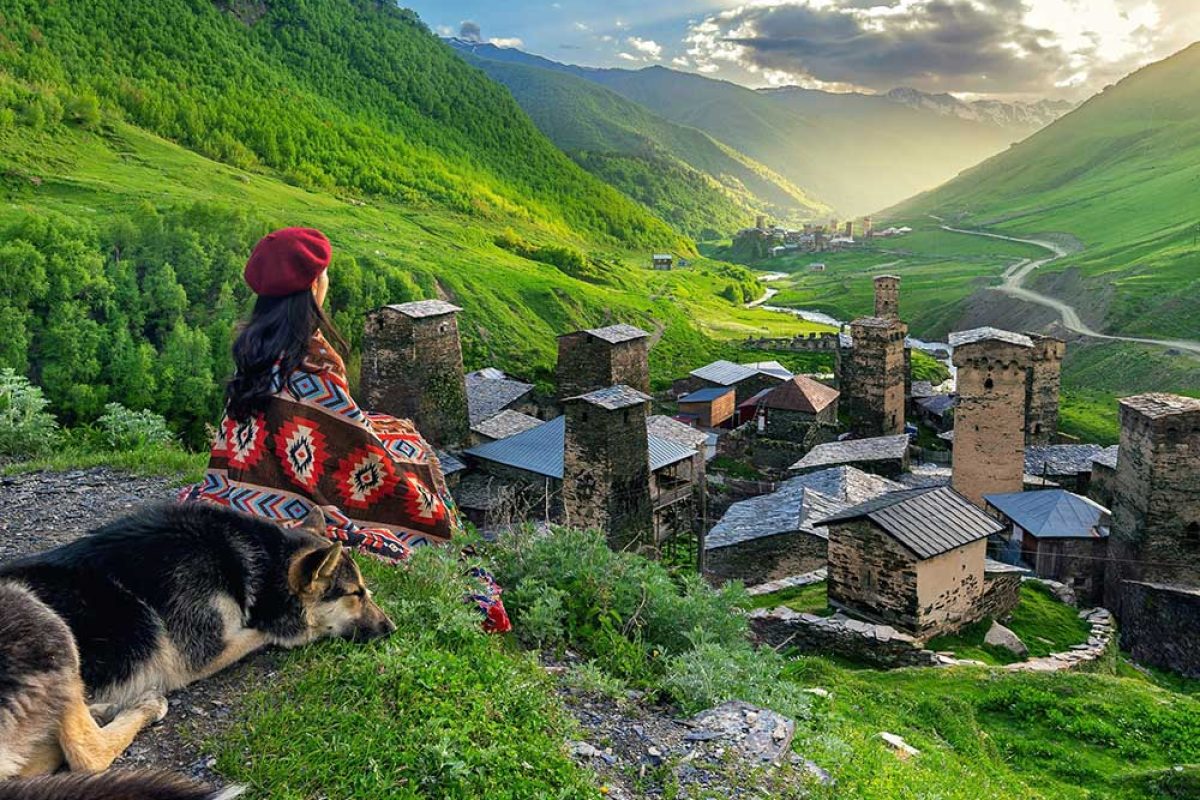
Svaneti is a mountainous region in northwestern Georgia known for its medieval defensive towers, distinctive cultural traditions and spectacular alpine landscapes.

Mestia serves as the principal travel base for exploring Upper Svaneti. From here, visitors can discover glaciers, mountain lakes, traditional settlements and the historic villages of Ushguli.

Upper Svaneti is a UNESCO World Heritage Site.

Svaneti requires more travel time than Kazbegi and is generally better suited to a dedicated regional itinerary than a short excursion from Tbilisi.
Recommended stay
3–5 days.
Best for
Highland culture, multi-day hiking, photography and mountain adventures.

Read the destination guide →

Explore our Svaneti travel guides

Mestia Travel Guide

Mestia Travel Guide

Discover Upper Svaneti.

Ushguli Travel Guide

Discover Upper Svaneti.

Koruldi Lakes

Discover Upper Svaneti.

Chalaadi Glacier

Discover Upper Svaneti.

Adishi Village

Discover Upper Svaneti.

Ushba Waterfalls

Discover Upper Svaneti.

Batumi and Adjara — Georgia’s Black Sea Coast

Batumi offers a different side of Georgia, combining contemporary architecture, seaside promenades, subtropical vegetation and regional cuisine.

The city is particularly popular during summer, although the surrounding mountains and forests provide opportunities for year-round exploration.

Visit Batumi Botanical Garden, explore the Old Town and venture inland to discover rural Adjara, waterfalls and protected natural areas.

Recommended stay
2–4 days.
Best for
Beach holidays, food, subtropical nature and family travel.

Borjomi and Samtskhe-Javakheti

Southern Georgia offers a combination of forested mountains, historical fortifications and remarkable archaeological landscapes.

Borjomi is known for its mineral water and forest surroundings. Further south, Akhaltsikhe and Rabati Castle can be combined with a visit to Vardzia, the medieval rock-cut monastic complex.

The region is particularly suitable for travelers interested in history and quieter road trips.

Recommended stay
2–3 days.
Best for
Historical landmarks, nature and cultural exploration.

Gori and Uplistsikhe

Gori and Uplistsikhe offer insight into different periods of Georgian history.

Uplistsikhe is an ancient rock-cut settlement overlooking the Mtkvari Valley. Gori is known internationally as Joseph Stalin’s birthplace, although the city and surrounding region have a broader historical identity.

Both destinations can be visited as a day trip from Tbilisi.

Recommended stay
One day.

David Gareji and the Rainbow Mountains

Southeastern Georgia offers semi-arid landscapes that contrast sharply with the forests and alpine scenery found elsewhere in the country.

The David Gareji monastic complex and surrounding colorful hills are particularly appealing to travelers interested in unusual landscapes, history and photography.

Access to some sections near the international border may be restricted. Confirm current conditions before visiting and follow all local border regulations.

Recommended stay
One day.

Tusheti and Khevsureti

Tusheti and Khevsureti are among Georgia’s more remote mountain regions.

These destinations are known for traditional fortified settlements, dramatic valleys and a slower pace of travel. However, seasonal road access and limited infrastructure require more preparation than a visit to Tbilisi or Kakheti.

Experienced drivers, suitable vehicles and flexible itineraries are particularly important when exploring remote mountain areas.

Recommended stay
3–5 days per region.
Best for
Adventure travel, hiking and remote cultural experiences.

Racha, Samegrelo and Guria

Travelers returning to Georgia or planning a longer journey should consider its lesser-visited regions.

Racha offers forested landscapes, mountain villages and distinctive wines. Samegrelo is known for its regional cuisine, canyons and cultural identity. Guria combines rural landscapes, tea-growing traditions and smaller seaside and mountain destinations.

These regions reward travelers who prefer slower itineraries and quieter alternatives to established tourist routes.

Recommended stay
2–3 days or longer

Georgia’s Destinations at a Glance

DestinationIdeal durationMain experience
Tbilisi2–3 daysCulture and food
MtskhetaHalf–1 dayHeritage
Kazbegi1–3 daysMountains
Kakheti1–3 daysWine tourism
Kutaisi2–3 daysHistory and nature
Svaneti3–5 daysHiking and highland culture
Batumi2–4 daysCoast and leisure
Borjomi & Vardzia2–3 daysHistory and nature
Tusheti3–5 daysRemote adventure
Racha2–3 daysSlow travel

Best Things to Do in Georgia

Georgia’s appeal extends beyond visiting individual landmarks. Many of its most memorable experiences involve exploring local traditions, participating in outdoor activities and discovering regional culture.

Hike the Caucasus Mountains

Hike the Caucasus Mountains

Explore mountain valleys, alpine lakes and multi-day trekking routes.
Discover Georgian Wine

Discover Georgian Wine

Visit wineries and learn about traditional winemaking.

Experience Georgian Cuisine

Discover regional dishes and cooking experiences.

Go Skiing in Georgia

Explore winter resorts such as Gudauri and Bakuriani.

Explore Caves and National Parks

Discover protected landscapes, canyons and cave systems.
Visit Traditional Sulfur Baths

Visit Traditional Sulfur Baths

Experience one of Tbilisi’s longstanding urban traditions.
Visit Georgia’s UNESCO World Heritage Sites

Georgia currently has four properties on the UNESCO World Heritage List:

  • Historical Monuments of Mtskheta.
  • Gelati Monastery.
  • Upper Svaneti.
  • Colchic Rainforests and Wetlands.

These properties represent both Georgia’s cultural heritage and the ecological importance of its natural landscapes.

UNESCO World Heritage Centre →

Explore Georgia’s Protected Areas

Georgia’s national parks and protected areas offer opportunities for hiking, wildlife observation, nature photography and outdoor recreation.

Before visiting, check opening conditions, trail difficulty, entrance fees and whether advance arrangements are required through the Agency of Protected Areas.

Agency of Protected Areas →

Georgia Itineraries: How Many Days Do You Need?

For a first visit to Georgia, seven to ten days is a practical starting point. This allows you to experience the capital, the wine region and the Caucasus Mountains without spending your entire holiday traveling between destinations.

Shorter visits work best when concentrated in one part of the country.

3-Day Georgia Itinerary

Best for
A short introduction to Georgia.
DayDestination
1Tbilisi
2Mtskheta and Tbilisi
3Kazbegi day trip

5-Day Georgia Itinerary

Best for
First-time travelers seeking culture, mountains and wine.
DayDestination
1Tbilisi
2Mtskheta
3Kakheti
4Kazbegi
5Return to Tbilisi and departure

7-Day Georgia Itinerary

Best for
A balanced introduction to eastern Georgia.
DayDestination
1–2Tbilisi and Mtskheta
3Georgian Military Highway and Kazbegi
4Kazbegi surroundings, weather permitting
5Return toward Tbilisi via the Georgian Military Highway
6Kakheti
7Tbilisi and departure

10-Day Georgia Itinerary

A ten-day journey provides enough time to combine eastern Georgia with several destinations in the west.

DayDestination
1–2Tbilisi and Mtskheta
3–4Kakheti
5–6Kazbegi
7Travel toward Kutaisi
8–9Kutaisi and surrounding attractions
10Departure or return to Tbilisi

14-Day Georgia Itinerary

Two weeks allows for a more comprehensive journey, including the mountain landscapes of western Georgia.

DayDestination
1–2Tbilisi and Mtskheta
3–4Kakheti
5–6Kazbegi
7Transfer toward Kutaisi
8Kutaisi and Imereti
9–11Svaneti
12–13Batumi and Adjara
14Departure

This route works particularly well when flights allow arrival in eastern Georgia and departure from western Georgia. Allow additional travel time if you need to return to Tbilisi.

Local Itinerary Planning Advice

One of the most important decisions when planning a Georgia itinerary is whether to use Tbilisi as a base or travel between regions.

Tbilisi-based day trips work well for Mtskheta, Gori, Kakheti and shorter sightseeing excursions to Kazbegi. However, Svaneti, Tusheti and other remote destinations are better approached as overnight or multi-day journeys.

Avoid combining Kazbegi and Kakheti into a single-day itinerary. Although both are accessible from Tbilisi, they lie in different directions and deserve separate travel days.

Customized travel options →

Where to Stay in Georgia

Choosing the right accommodation location can significantly reduce travel time and improve the overall experience of a Georgia holiday.

Tbilisi

Tbilisi

Best for urban sightseeing and day trips.
Kazbegi

Kazbegi

Best for mountain views and hiking.

Kakheti

Kakheti

Best for countryside stays and wine tourism.
Svaneti

Svaneti

Best for exploring highland villages and trekking.
Where to Stay in Tbilisi

The Old Town and Sololaki are convenient for travelers interested in historical architecture, restaurants and major landmarks.

Vera and Mtatsminda offer alternative central locations, while Avlabari can provide access to historic neighborhoods and metro connections.

When choosing accommodation, consider the steepness of surrounding streets, vehicle access and walking distance to public transportation.

Where to Stay in the Mountains

Stepantsminda is the principal base for exploring Kazbegi. Mestia is the most practical starting point for Upper Svaneti.

Guesthouses are particularly useful in mountain regions, where local hosts can provide meals and practical information about nearby destinations.

Hotels, Guesthouses or Apartments?

Hotels provide predictable facilities and services, while family guesthouses can offer a closer connection to regional cuisine and everyday life.

Apartments can be convenient for longer stays and family travel, especially when laundry and cooking facilities are important.

Georgian Food, Wine and Culture

Georgian cuisine is an essential part of the travel experience. Regional cooking traditions differ considerably between eastern and western Georgia, and many dishes are intended to be shared.

Traditional Georgian Food You Should Try

Khinkali

Traditional filled dumplings.

Khachapuri

Regional cheese-filled breads.

Pkhali

Vegetables with walnuts and herbs.

Mtsvadi

Traditional grilled meat.

Lobio

Seasoned bean dishes.

Churchkhela

Traditional grape-and-nut sweets.

Vegetarian travelers can find numerous suitable dishes, including lobio, pkhali, eggplant with walnuts and mushroom-based preparations. Vegan travelers should confirm whether butter, cheese, eggs or animal stock are used.

Georgia’s 8,000-Year Wine Heritage

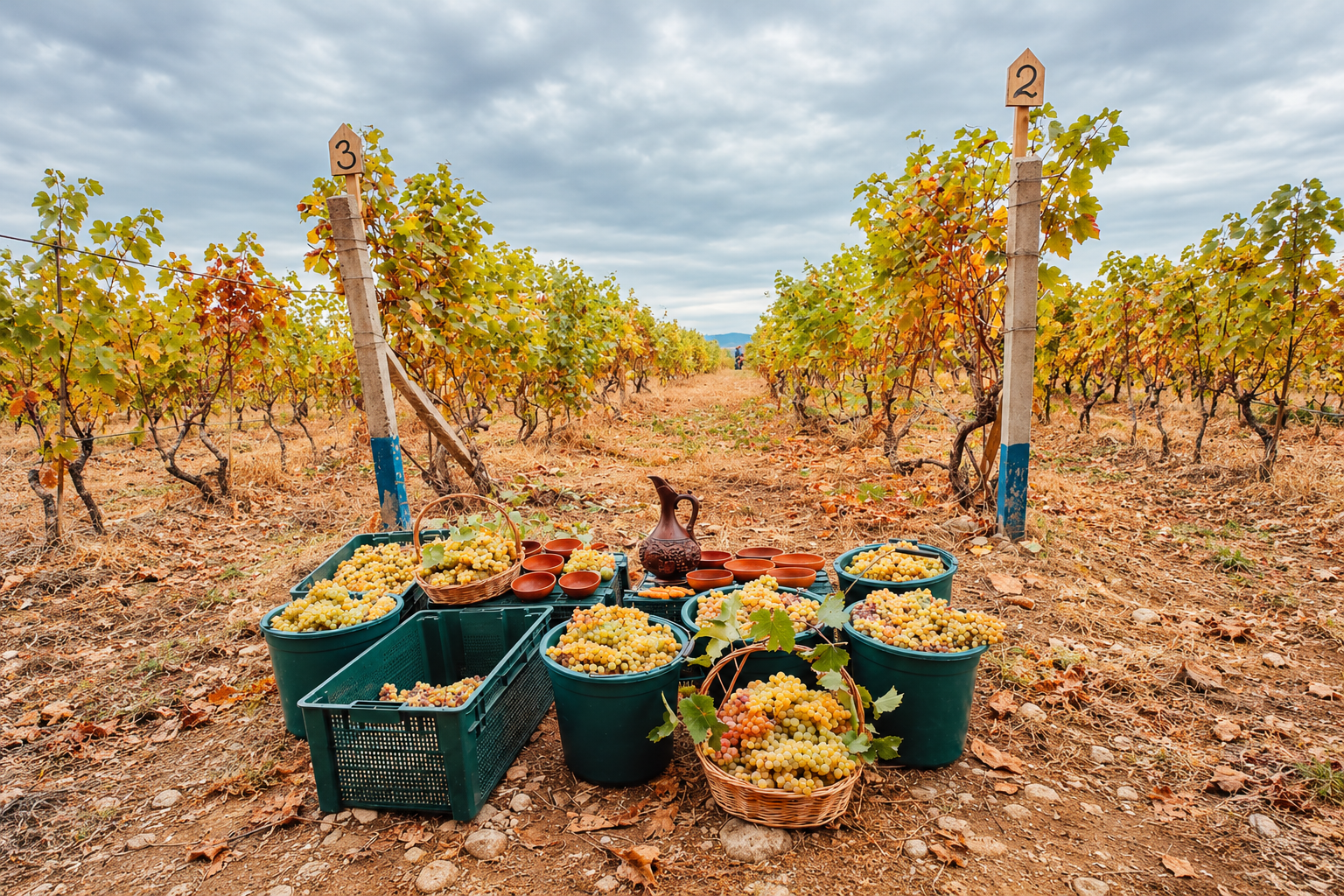
Archaeological research has identified evidence of winemaking in present-day Georgia dating back approximately 8,000 years.

The traditional qvevri winemaking method, which uses large earthenware vessels, was inscribed on UNESCO’s Intangible Cultural Heritage list in 2013.

Wine tourism in Georgia is particularly rewarding when it includes an explanation of regional grape varieties, traditional production methods and family winemaking practices.

Kakheti is the country’s most popular wine tourism destination, but Imereti, Racha and other regions also have distinctive winemaking traditions.

Discover the Kakheti wine region →

Georgian Hospitality and Supra Traditions

A traditional Georgian supra is a communal feast in which food, conversation and toasts play an important role.

A tamada, or toastmaster, traditionally leads the toasts. Visitors are welcome to participate respectfully, but should never feel obliged to drink alcohol.

Practical Georgia Travel Tips

Internet, SIM Cards and eSIMs

Local SIM cards and international eSIM services are convenient options for staying connected in Georgia.

Compare coverage as well as price, particularly if your itinerary includes remote mountain villages. Download offline maps before leaving larger settlements.

Language in Georgia

Georgian is the official language.

English is often available in tourism-oriented businesses and among younger residents in larger cities, although communication can become more challenging in rural areas.

Learning a few Georgian words is a useful way to engage with local culture.

EnglishGeorgian
HelloGamarjoba
Thank youMadloba
YesKi
NoAra
GoodbyeNakhvamdis
CheersGaumarjos

Dress Codes at Churches and Monasteries

Georgia’s churches and monasteries are active religious spaces rather than simply historical attractions.

Dress modestly, follow posted visitor instructions and avoid interrupting religious services. Photography restrictions may apply inside certain buildings.

Drinking Water in Georgia

Tap water is commonly consumed in Tbilisi and many other urban areas. In rural accommodation and remote mountain regions, ask local hosts whether the available water is suitable for drinking.

Do not assume untreated water from rivers or mountain streams is safe.

Electricity and Power Adapters

Georgia generally uses a 220V, 50Hz electricity supply with European-style Type C and Type F plugs.

Travelers from countries using different electrical sockets should bring an appropriate adapter.

What to Pack for Georgia

Packing requirements depend heavily on your itinerary and the season.

Comfortable walking shoes are useful even for urban sightseeing. Travelers visiting mountain regions should bring layers, rain protection and suitable footwear.

Sunscreen, a reusable water bottle, necessary medication and offline copies of travel documents are also useful.

Traveling with Children

Georgia can offer enjoyable family experiences, including nature excursions, cooking activities, parks and accessible cultural attractions.

Families should prioritize shorter travel days, suitable vehicle arrangements and accommodation with appropriate facilities.

Confirm the availability of child safety seats before booking transportation.

Accessibility in Georgia

Accessibility varies considerably between destinations.

Historic neighborhoods, medieval monuments and mountain settlements may involve uneven surfaces, stairs and steep slopes. Travelers with limited mobility should confirm accessibility directly with accommodation providers and tour operators.

Useful Travel Resources

ResourcePurpose
Google MapsNavigation and urban travel
Offline mapsRemote areas and hiking
Georgian RailwayTrain schedules and tickets
Tbilisi Transport CompanyMunicipal transport
Roads DepartmentRoad conditions
National Bank of GeorgiaCurrency exchange rates
Georgia TravelOfficial destination information

Common Mistakes to Avoid When Traveling to Georgia

Careful planning can prevent many of the difficulties travelers encounter while exploring Georgia.

Trying to Visit Too Many Regions

A short trip covering Tbilisi, Kakheti, Kazbegi, Svaneti and Batumi may look possible on a map, but the actual travel schedule can become exhausting.

Choose fewer regions and allow enough time to explore each destination properly.

Underestimating Mountain Driving Times

Mountain roads, changing weather, traffic and sightseeing stops can make journeys significantly longer than expected.

Build flexibility into your schedule, especially when visiting Svaneti, Tusheti and Kazbegi.

Visiting Remote Regions in the Wrong Season

Some mountain roads and trails are inaccessible or unsuitable during parts of the year.

Check actual road conditions instead of relying solely on seasonal recommendations from older travel guides.

Depending Entirely on Public Transportation

Public transportation connects many major Georgian destinations, but it does not provide convenient access to every monastery, trailhead, winery or remote village.

Research the final section of each journey before departure.

Not Checking Insurance Coverage

Georgia’s mandatory insurance requirements establish a minimum standard. They do not necessarily mean that your chosen policy covers skiing, trekking, climbing or emergency evacuation.

Read the policy carefully and arrange additional coverage when needed.

Booking a Driver When You Need a Guide

Transportation and guided sightseeing are different services.

When comparing tour prices, confirm whether the service includes a professional guide, transportation, entrance tickets, accommodation, meals or other activities.

Independent Travel vs. Guided Tours in Georgia

There is no single best way to explore Georgia.

Independent travel is suitable for visitors who enjoy organizing their own transportation, accommodation and sightseeing. Guided travel can be more convenient when destinations are difficult to reach or when historical and cultural interpretation is important.

Travel styleAdvantagesConsiderations
Independent travelFlexibility and personal controlRequires more planning
Group toursShared costs and organized sightseeingFixed schedules
Private toursCustomized routes and paceHigher cost for smaller parties
Multi-day toursCoordinated regional travelLess spontaneous
Private transfersConvenient direct transportGuiding may not be included

Explore Georgia with Gamarjoba Georgia Tours

Explore More Georgia Travel Guides

Use our destination and planning resources to organize each part of your journey in more detail.

Frequently Asked Questions About Traveling to Georgia

Is Georgia worth visiting in 2027?

Yes. Georgia offers a distinctive combination of mountain landscapes, historical monuments, wine culture, regional cuisine and outdoor experiences. The best itinerary depends on your interests and travel season.

How many days do you need in Georgia?

Seven to ten days is a good starting point for a first visit. Two weeks allows you to explore both eastern and western Georgia at a more comfortable pace.

What is the best month to visit Georgia?

May, June and September are generally excellent for combining sightseeing, wine regions and mountain experiences. July and August are better suited to many high-altitude hiking routes.

Is Georgia expensive for tourists?

Georgia remains relatively affordable for many visitors, although accommodation, private transport and premium experiences can increase costs considerably. A budget traveler can initially plan around 110–170 GEL per day using 2026 estimates.

Do tourists need travel insurance in Georgia?

Yes. Since January 1, 2026, most tourists have been required to carry health and accident insurance with coverage of at least 30,000 GEL for their entire stay.

Do you need a visa to visit Georgia?

Citizens of many countries qualify for visa-free entry, while others need an eVisa or another visa. Check your nationality-specific requirements through the Georgian Consular Portal.

Can you travel around Georgia without a car?

Yes. Trains, marshrutkas, buses, taxis and organized tours make many destinations accessible without renting a car. Remote mountain locations may require private transportation.

Is Georgia safe for solo travelers?

Many visitors travel independently, but standard safety precautions, current travel advisories and additional preparation for mountain travel remain important.

Is Georgia suitable for family holidays?

Yes. Georgia offers family-friendly cultural, culinary and outdoor experiences. Choose comfortable travel days and confirm child safety arrangements in vehicles.

Is English widely spoken in Georgia?

English is commonly encountered in tourism-oriented businesses in major cities. It may be less widely available in rural and remote regions.

Can you visit Georgia in winter?

Yes. Winter is suitable for skiing, snow-covered landscapes and city breaks. Some mountain roads and hiking trails may be inaccessible.

Should I book tours in advance?

Advance booking is advisable for private tours, specialist activities and peak-season travel. Group tour availability depends on the destination and date.

Can you visit Kazbegi on a day trip from Tbilisi?

Yes. Kazbegi is a popular full-day excursion from Tbilisi. Staying overnight is preferable if you want to hike, explore surrounding valleys or allow more flexibility for mountain weather.

What currency should I use in Georgia?

The official currency is the Georgian lari, abbreviated GEL. Carry some cash when traveling outside major cities.

Do you need a tour guide in Georgia?

A guide is not essential for every journey, but can add considerable value when exploring archaeological sites, historical monuments, wine regions and unfamiliar mountain destinations.

Official Travel Resources

Plan Your Georgia Adventure

Georgia is a destination best explored with curiosity, flexibility and an appreciation for its regional diversity.

Whether you choose to spend a few days discovering Tbilisi or organize a longer journey through the country’s wine regions, mountain villages and Black Sea coast, careful planning will help you enjoy more of what Georgia has to offer.

Use this guide as the starting point for your journey, explore our detailed destination resources and choose the travel experiences that suit your interests.

Discover Georgia with Gamarjoba Georgia Tours.

Explore Georgia Tours →