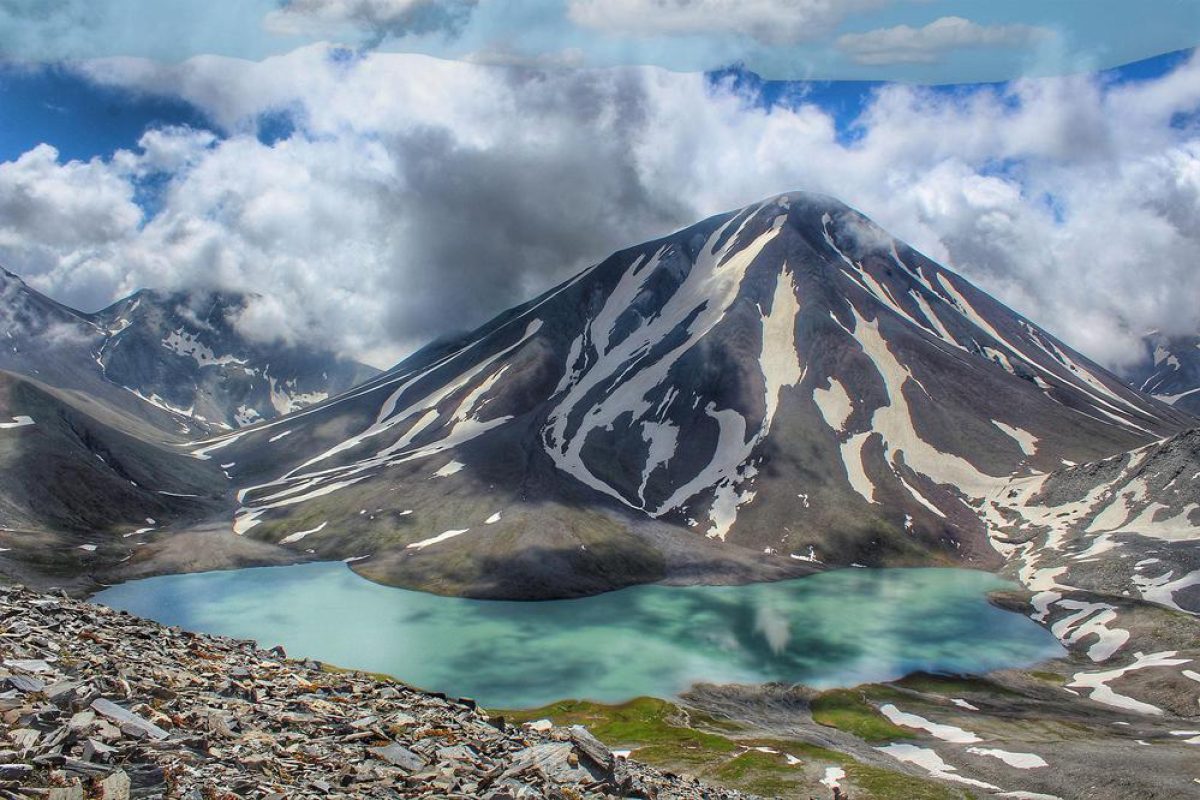
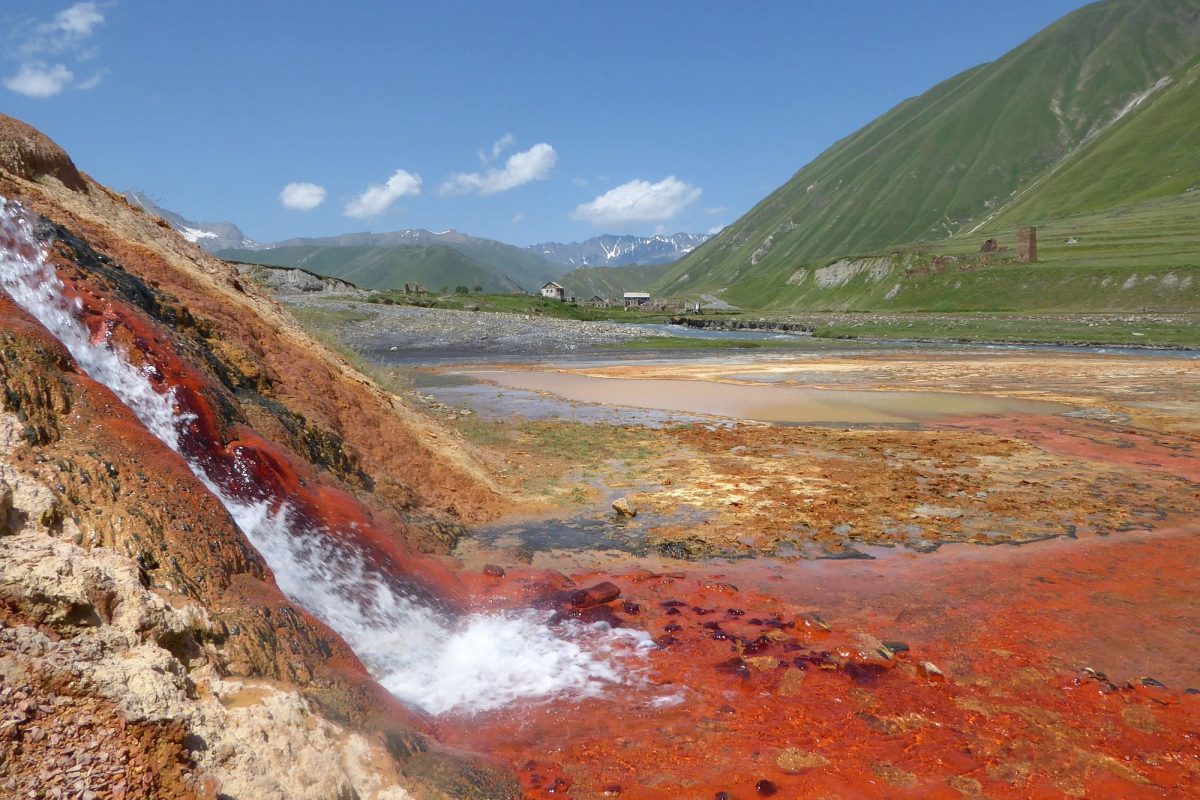
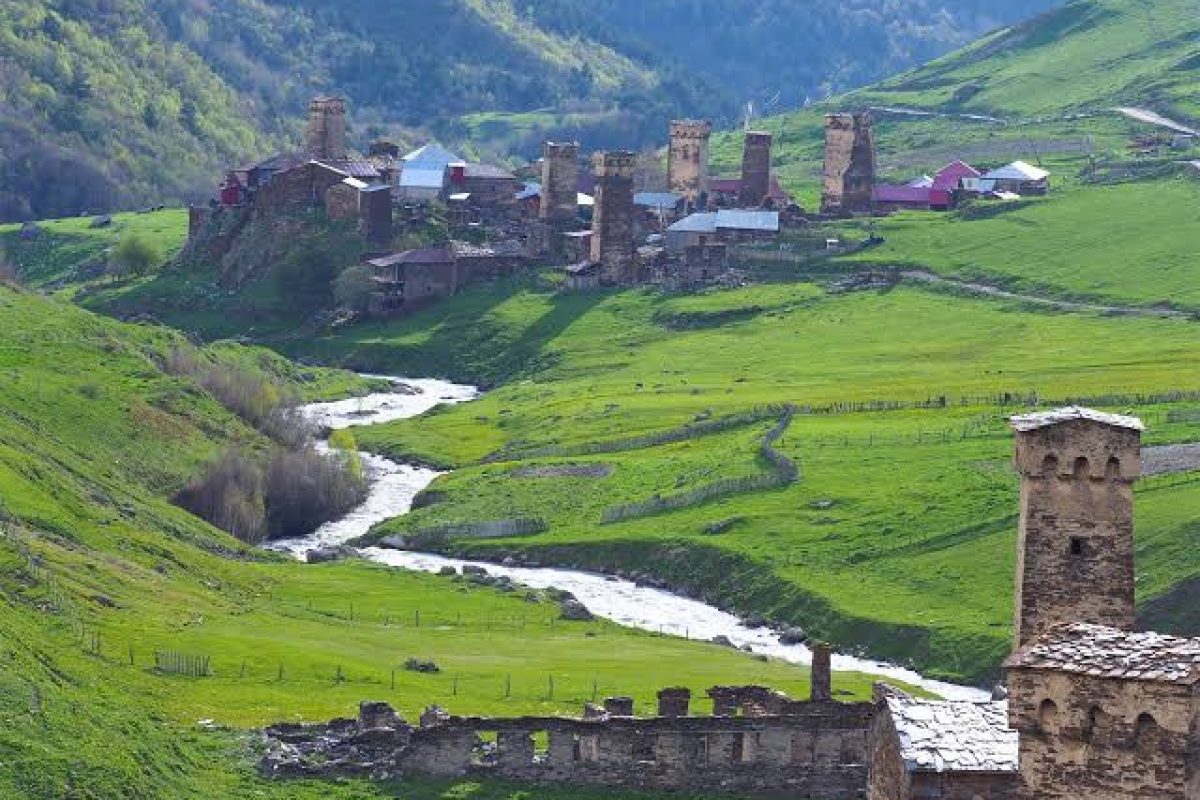
Truso Valley lies in Kazbegi Municipality, around 22 kilometres from Stepantsminda. This is not really a place for a quick roadside stop. The route itself is a major part of the experience: a narrow section gradually opens into a broad high-altitude valley, mineral-rich water stains parts of the ground orange and rust-red, and traces of old settlements appear along the way. Georgia’s official tourism resources note more than ten abandoned villages as well as towers and fortifications in the valley.
Where Is Truso Valley and How Do You Get There?
The main approach to the valley is via Kobi. Kobi is around 20 kilometres from Stepantsminda, and the valley lies on the northern slopes of the Greater Caucasus in the Tergi River basin.
Transport is one of the details worth planning in advance. Once you leave the main paved highway, road conditions change. A high-clearance or four-wheel-drive vehicle is the more practical option for reaching deeper sections of the valley. Georgia’s official tourism portal also specifies an SUV for access from Kobi to certain points inside Truso.
For travellers who do not want to organise mountain transport themselves, private tours in Kazbegi can be a simpler way to combine Truso with other sites in the region.
What Can You See in Truso Valley?
The mineral water is one of the first details you notice in Truso Valley. Near the springs, parts of the ground are coloured orange, reddish brown and white. These are not painted rocks or unusual soil alone. Mineral-rich water creates travertine formations, a feature specifically noted by Georgia’s protected areas and official tourism resources.
Keterisi Mineral Water Natural Monument is another point of interest. It is located near Keterisi village, and official protected-area information gives the distance from Kobi to Keterisi as approximately 15.8 kilometres.
Further into the valley, you pass abandoned or sparsely inhabited settlements, old towers and the remains of Zakagori Fortress. Do not expect polished visitor infrastructure. Some buildings are heavily damaged, paths are natural, and facilities are limited. Good walking shoes are far more useful here than dressing for photographs.
How Difficult Is the Truso Valley Hike?
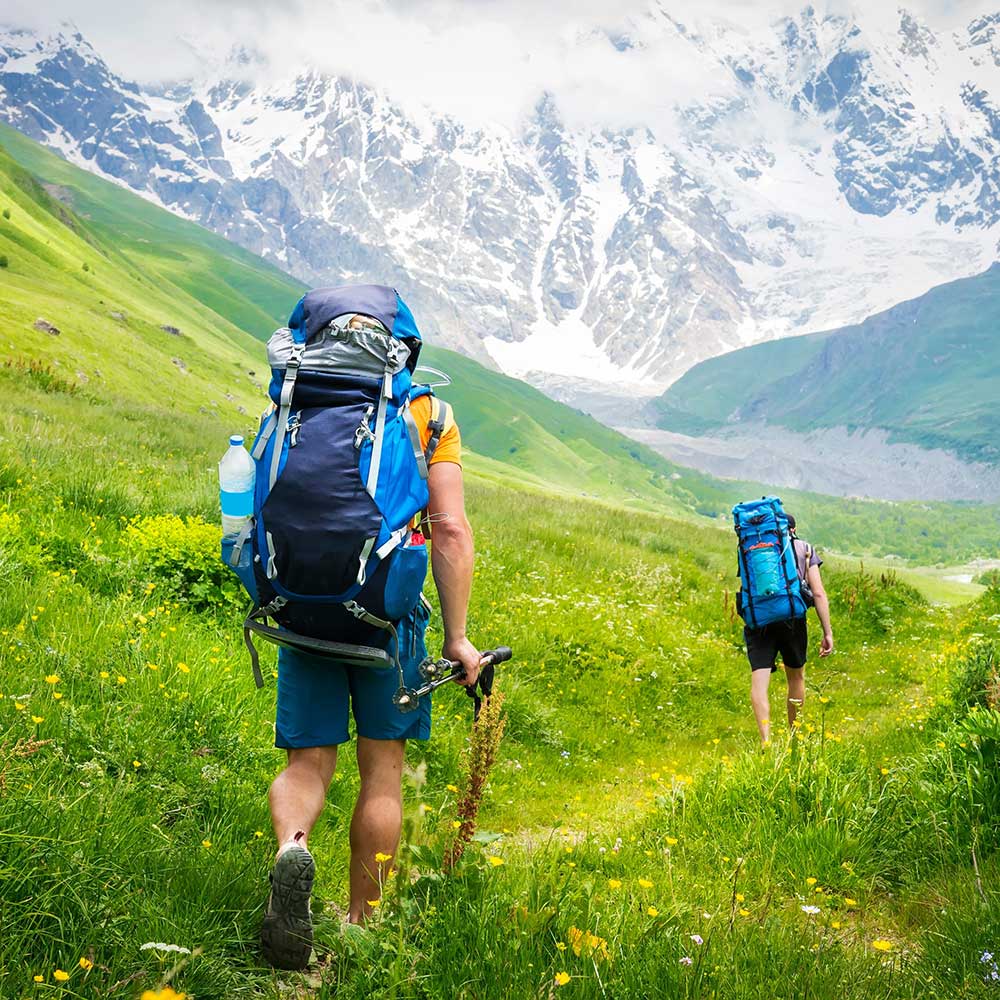
A Truso Valley hike is not generally considered technically difficult. Georgia Travel lists it among the easier trekking routes in the country and describes a relatively flat trail with a round trip of approximately four to six hours.
The important distinction is between easy and short. The terrain may not involve major climbing, but a full walking route still means spending several hours on your feet. Carry enough water, sun protection and an extra layer.
When Is the Best Time to Visit Truso Valley?
Late spring to early autumn generally provides more suitable hiking conditions. Georgia Travel associates this period with milder weather and a lower chance of precipitation on the route.
Still, mountain weather deserves some respect. A clear morning in Kazbegi does not guarantee an equally calm afternoon in the valley. Bring a light waterproof jacket and a warm layer, even when the forecast looks reasonable.
You should also remember that parts of the wider Truso area approach sensitive border zones. Do not continue beyond checkpoints or leave permitted routes without checking the relevant rules. Permit requirements apply to designated border-zone routes in Truso.
Is Truso Valley Worth Visiting?
If you only see Gergeti Trinity Church and central Stepantsminda, you miss a very different side of the Kazbegi region. Truso Valley combines a long valley walk, mineral springs, historic settlement remains and broad high-altitude terrain within a single day.
You can include the valley in Kazbegi hiking tours or spend more time exploring northern Georgia through multi-day tours in Georgia.
One practical tip: start early. Truso is not the place to arrive late in the afternoon and rush between stops. The distances are larger than they first appear, and walking back in fading daylight adds nothing useful to the experience.