Packing for Georgia requires a little more planning than packing for a typical city break. You could spend the morning exploring Tbilisi’s historic streets, the afternoon visiting mountain viewpoints in Kazbegi and the following day enjoying wine tastings in Kakheti.
Georgia’s diverse landscapes, changing elevations and distinct seasons mean that your clothing and travel essentials should match both your itinerary and the time of year.
The most important things to pack for Georgia are comfortable walking shoes, layered clothing, a waterproof jacket, modest clothing for religious sites, travel insurance and a European plug adapter.
Even during summer, bring a warm layer if you plan to visit the Caucasus Mountains.
This complete Georgia packing list covers every season, regional destinations, outdoor adventures and practical travel essentials.
Last reviewed: November 17, 2026.
Regardless of when you visit Georgia, the following essentials are useful for most travelers.
A compact daypack is also recommended for sightseeing, day trips and outdoor activities.
Georgia has a remarkably diverse climate for its size. According to the Georgian National Tourism Administration, the country includes climatic zones ranging from humid subtropical coastal areas to permanently snow-covered mountain environments.
Eastern Georgia, including Tbilisi and parts of Kakheti, generally experiences warmer, drier summers. Western Georgia and the Black Sea coast are more humid, while high-altitude destinations experience significantly colder conditions.
Popular mountain destinations such as Kazbegi, Gudauri and Mestia can have cool evenings even when temperatures are high in Tbilisi.
Pack according to the coldest destination on your itinerary, not just the weather in the capital.
Check the regional climate information on Georgia’s official tourism website when preparing your trip.
Spring is a beautiful time to explore Georgia’s historical landmarks, wine regions and countryside. However, temperatures and weather conditions can change considerably throughout the season.
March can still feel like winter, particularly in mountainous areas. April brings milder conditions, while May generally offers warmer weather in the lowlands.
Rain is possible, and snow may remain at higher elevations.
Bring a warm jacket, sweaters and closed-toe shoes. If you are visiting Kazbegi, Gudauri or other mountain destinations, pack winter accessories such as gloves and a warm hat.
Layered clothing is particularly useful in April. A light sweater, waterproof outer layer and comfortable trousers will help you adapt to changing temperatures.
Lightweight clothing becomes increasingly practical for Tbilisi and Kakheti. However, keep a fleece or warm jacket for mountain excursions and cooler evenings.
Spring is an excellent season for exploring Mtskheta, Uplistsikhe, Kakheti and other cultural destinations.
Summer is generally hot in Georgia’s lowland regions, making lightweight, breathable clothing essential.
Tbilisi and Kakheti can experience intense heat, while Batumi and the Black Sea coast have more humid conditions.
The mountain regions offer cooler temperatures, particularly during the evening and at higher elevations.
Loose, breathable clothing is ideal for sightseeing during hot summer days.
Shorts, summer dresses and sleeveless tops are generally acceptable in ordinary public spaces. However, bring additional clothing that covers your shoulders and knees when visiting religious sites.
Do not travel to Kazbegi, Svaneti or Tusheti with beach clothing alone.
Bring a warm fleece, waterproof jacket, long trousers and suitable walking shoes. Weather conditions can change quickly, especially at higher elevations.
A warm layer is essential for mountain trips, even in July and August.
Summer is also a popular period for hiking, mountain sightseeing and visiting Georgia’s Black Sea resorts.
Autumn is particularly attractive for travelers interested in wine tourism, colorful landscapes and cultural sightseeing.
September often retains summer warmth in the lowlands. October brings cooler temperatures, while November can feel increasingly winter-like, particularly in the mountains.
Kakheti is especially popular during the grape harvest season, known as Rtveli, although harvest dates vary by location, grape variety and weather conditions.
Lightweight daytime clothing and a jacket for the evening are generally a practical combination.
If you are visiting wineries, vineyards or rural villages, choose comfortable shoes suitable for uneven surfaces.
Bring sweaters, trousers and a weather-resistant jacket. Layering is useful when traveling between Tbilisi, Kakheti and the mountains.
Pack a warmer coat, closed-toe shoes and winter accessories if your itinerary includes high-altitude destinations.
For wine lovers, autumn is a particularly rewarding time to explore Georgia’s traditional winemaking culture and join a guided Kakheti wine tour.
Winter in Georgia varies significantly between the Black Sea coast, Tbilisi and the mountain regions.
Tbilisi experiences cold periods, while ski resorts such as Gudauri and Bakuriani offer snow-covered landscapes and winter sports opportunities.
Mountain roads and high-altitude destinations may be affected by snowfall, ice and temporary restrictions.
For city sightseeing, a warm coat, sweater, long trousers and comfortable winter shoes are generally sufficient.
Check the forecast before traveling, as conditions vary throughout the season.
If your itinerary includes skiing, snowboarding or outdoor winter activities, additional equipment is necessary:
Skiing and snowboarding equipment can generally be rented at established ski resorts. Confirm equipment availability, sizes and rental conditions before your trip.
If you are participating in winter sports, make sure your travel insurance explicitly covers those activities.
Your itinerary should influence your packing choices just as much as the season.
Georgia’s capital is suitable for casual everyday clothing and comfortable urban footwear.
Old Tbilisi, Sololaki and other historic neighborhoods feature sloping streets, uneven paving and staircases.
Pack walking shoes with good grip rather than relying exclusively on fashionable footwear.
A smart-casual outfit is sufficient for most restaurants, wine bars and evening activities.
Mountain conditions require more preparation than city sightseeing.
Bring a fleece or insulated jacket, windproof outerwear, long trousers and footwear suitable for uneven terrain.
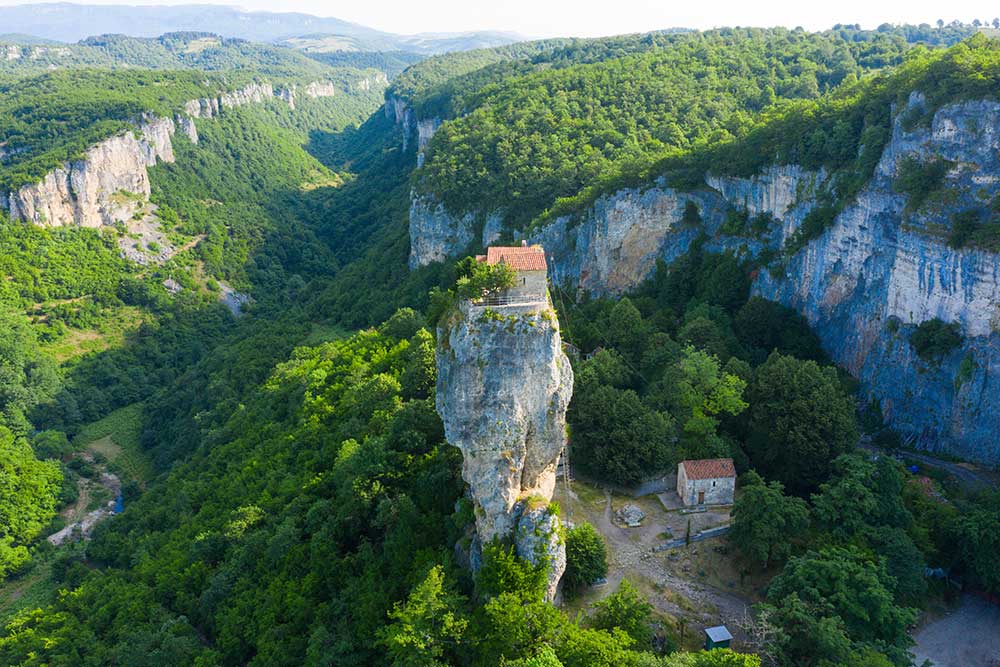
If you plan to visit Gergeti Trinity Church, remember to carry clothing appropriate for religious sites.
For wine tours and countryside sightseeing, pack comfortable casual clothing, walking shoes and sun protection.
A lightweight jacket is useful for cooler evenings and visits to wine cellars.
During Rtveli, choose clothing and shoes that you do not mind getting dusty or dirty if your itinerary includes vineyard activities.
Bring swimwear, sandals, sunscreen and breathable clothing during the warmer months.
Batumi’s humid coastal climate also makes a compact umbrella or lightweight rain jacket useful.
Many beaches along the Batumi coastline are pebbly, so water shoes can provide additional comfort.
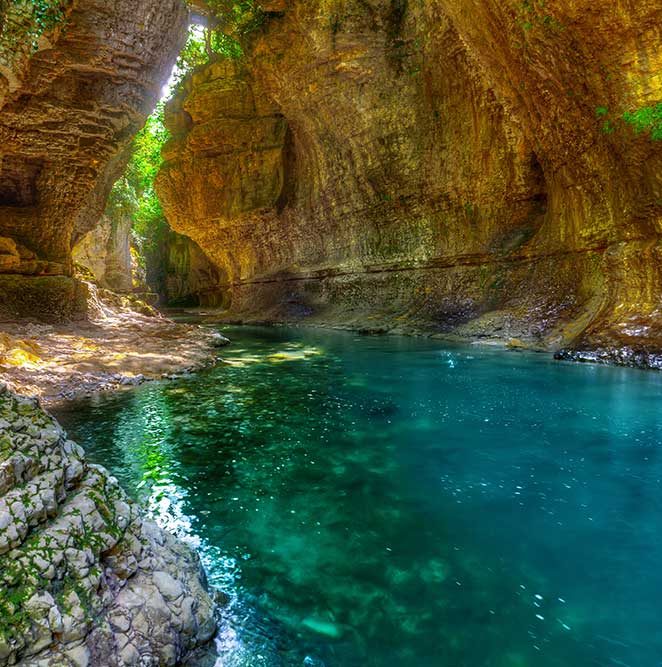
If you plan to visit Prometheus Cave, Martvili Canyon or other natural attractions, pack footwear with reliable grip and a lightweight jacket.
Cave interiors can feel noticeably cooler than outdoor summer temperatures, while paths around waterfalls and canyons may be wet.
For remote mountain destinations, prioritize practical equipment over fashionable clothing.
Bring warm layers, rain protection, sturdy footwear, personal medication, a power bank and offline navigation tools.
Do not assume that all outdoor equipment, medication or personal products will be available in remote villages.
Georgia is home to numerous active Orthodox churches and monasteries. Many popular sightseeing destinations are also functioning places of worship.
There is no nationwide religious dress code for everyday public spaces. However, visitors are expected to follow the dress requirements of individual religious sites.
Some churches provide scarves and wraparound skirts at their entrances, but availability is not guaranteed.
Keep a lightweight scarf and modest clothing in your daypack when visiting religious landmarks.
This is particularly useful at Svetitskhoveli Cathedral, Jvari Monastery, Gergeti Trinity Church and other religious sites included in Georgia’s popular sightseeing itineraries.
Georgia is an exciting destination for hiking and trekking, particularly in the Greater Caucasus Mountains.
Your equipment should depend on the difficulty, duration and altitude of your planned route.
For longer treks, camping or remote mountain journeys, you may also need:
Technical mountain routes, glacier crossings and mountaineering require specialized equipment, training and route-specific preparation.
A general travel packing list is not sufficient for these activities.
Before hiking, check weather forecasts, trail conditions and local access restrictions. Tell someone your planned route and expected return time.
Wine tourism is an important part of many Georgia itineraries.
You do not need special equipment for visiting wineries, but a few practical items can make your experience more comfortable.
If you plan to take Georgian wine home, check your airline’s baggage requirements and the alcohol import allowances of your destination country.
Wine bottles exceeding applicable cabin-liquid limits generally need to be transported in checked luggage unless an authorized exception applies.
For a relaxed experience without the need to drive after wine tastings, consider joining one of our guided tours in Georgia.
Before packing your suitcase, make sure you have the documents required to enter Georgia.
Entry and visa requirements depend on your nationality.
Check the latest information through Georgia’s official Consular Information Portal.
Since January 1, 2026, tourists entering Georgia have been required to hold valid health and accident insurance, subject to specified exemptions.
The policy must:
Save an offline copy of your insurance policy on your phone and consider carrying a printed copy.
If you plan to participate in skiing, trekking or adventure sports, check the policy’s activity exclusions, altitude restrictions and emergency evacuation coverage separately.
The mandatory minimum coverage does not automatically guarantee protection for specialized adventure activities.
Source: Ministry of Foreign Affairs of Georgia – Mandatory Insurance Requirements.
Georgia uses the European electrical standard of 220–240 volts and 50 Hz, with Type C and Type F sockets commonly used.
If you are traveling from the United Kingdom, United States, Australia or another country using a different plug design, bring a compatible travel adapter.
Check your electronic device’s voltage rating before using it.
Many modern phone and laptop chargers support 100–240 volts, but some appliances may require a voltage converter rather than just a plug adapter.
Source: Georgia Travel – Electricity in Georgia.
An unlocked smartphone and local mobile internet are useful for navigation, taxi bookings, translations and communication.
Georgia’s main mobile networks are Magti, Silknet and Cellfie.
If you plan to visit the mountains, download offline maps in advance. Mobile coverage cannot be guaranteed on every remote road or hiking trail.
A power bank is particularly useful during full-day excursions, long transfers and hiking trips.
Spare lithium batteries and power banks generally belong in carry-on luggage rather than checked baggage. Check your airline’s capacity limits and handling requirements before flying.
Bring enough regular medication for your entire trip, together with a small additional supply in case of travel delays.
Useful personal health items can include:
Georgia has specific rules concerning the importation of certain medicines, particularly controlled substances.
Check medication-specific requirements with the Georgian consular authorities before departure. A prescription from your home country does not automatically guarantee that every medication can be imported.
If your itinerary includes winding mountain roads, prepare accordingly if you are prone to motion sickness.
Georgia’s national emergency number is 112.
Avoid filling your suitcase with items that are unlikely to be useful.
Leave some room in your luggage for Georgian wine, local tea, spices, souvenirs and handmade products.
For most ordinary sightseeing trips, a practical wardrobe is more useful than a large selection of outfits.
If you are spending one week in Georgia, combining Tbilisi with day trips to Kakheti, Kazbegi and nearby historical destinations, the following is a practical starting point.
Adjust this list according to your travel dates, laundry availability and planned activities.
Winter sports, overnight trekking and beach holidays will require additional items.
You do not need to carry your entire suitcase while exploring Georgia on a day trip.
For a typical guided excursion from Tbilisi, prepare a small backpack containing:
For mountain excursions, add suitable footwear, warmer clothing and any personal essentials you may need throughout the day.
If you are joining one of our group tours or private tours in Georgia, check your itinerary and activity requirements before departure.
Pack comfortable walking shoes, casual clothing, a sweater, a weather-appropriate jacket and modest clothing for religious sites. Adjust your wardrobe for the season, altitude and activities included in your itinerary.
Yes, if you plan to visit mountain destinations such as Kazbegi, Gudauri or Mestia. A lightweight fleece and waterproof jacket are recommended even during summer.
Yes. Shorts are generally acceptable in cities and ordinary public spaces. However, churches and monasteries may require visitors to cover their knees and shoulders.
Not for ordinary city sightseeing. Comfortable walking shoes are sufficient for most urban trips. Suitable hiking shoes or boots are recommended for mountain trails, uneven terrain and longer outdoor excursions.
Packing for Georgia is all about preparation and flexibility.
Choose clothing that can be layered, footwear that is suitable for walking, and travel essentials that match the regions you plan to visit.
With the right packing list, you can comfortably explore Tbilisi's historic streets, discover Kakheti's wineries, enjoy the Black Sea coastline and experience the dramatic landscapes of the Caucasus Mountains.
Ready to explore Georgia? Discover our group tours, private tours and airport transfers with Gamarjoba Georgia Tours.