| Neighborhood | Best for | Metro access | Atmosphere |
| Old Tbilisi (Kala & Abanotubani) | First-time visitors and sightseeing | Liberty Square or Avlabari | Historic and lively |
| Sololaki | Couples and architecture lovers | Liberty Square | Historic and atmospheric |
| Rustaveli & Mtatsminda | Luxury hotels, museums and business trips | Rustaveli or Liberty Square | Central and cultural |
| >Vera | Couples and independent travelers | Rustaveli | Residential and creative |
| Avlabari | Budget travelers and sightseeing | Avlabari | Traditional and historic |
| Marjanishvili & Chugureti | Solo travelers, nightlife and cafés | Marjanishvili | Creative and social |
| Vake | Families and longer stays | Bus or taxi | Green and residential |
| Digital nomads and extended stays | Multiple metro stations | Modern and practical |
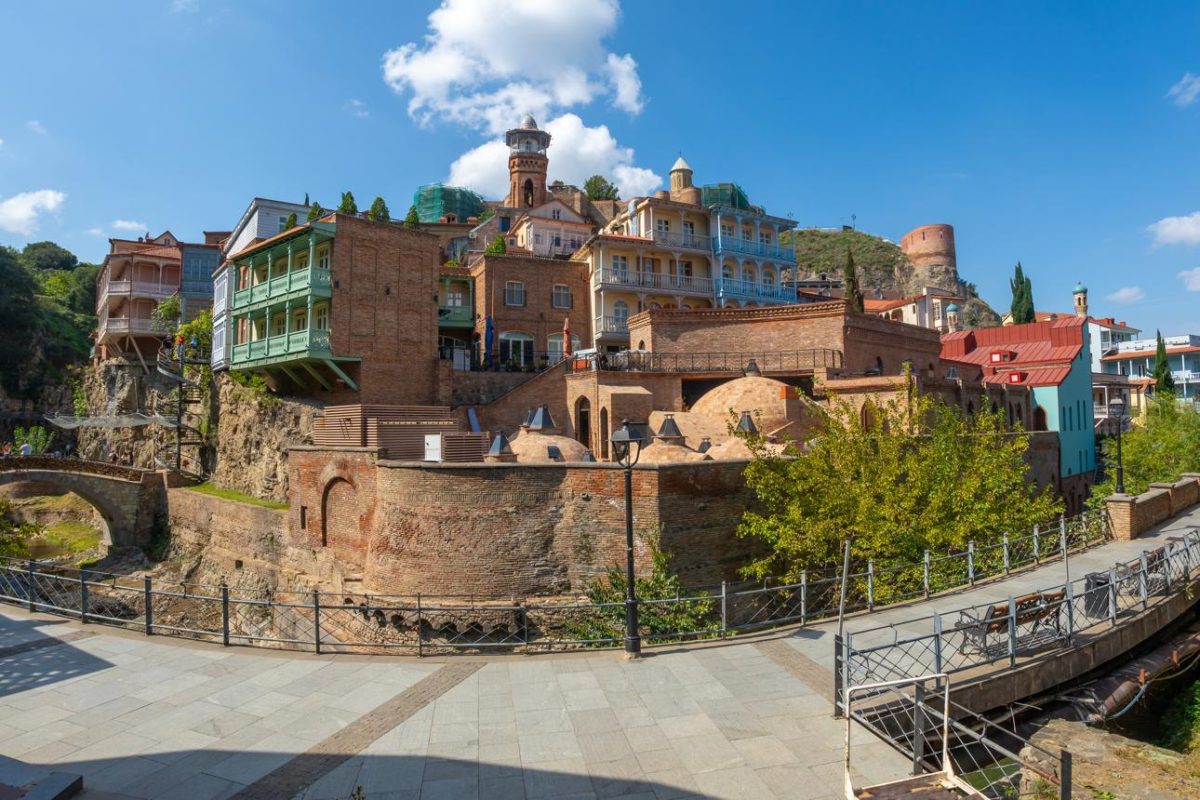
Old Tbilisi is the historic heart of Georgia’s capital and one of the most convenient places to stay if you are visiting the city for the first time.
Its narrow lanes, traditional wooden balconies, historic churches and sulfur bathhouses give the neighborhood its distinctive character.
Staying here allows you to explore many of Tbilisi’s most recognizable landmarks without relying heavily on public transportation.
For more sightseeing recommendations, read our guide to the top things to do in Tbilisi for first-time visitors.
Some streets are steep, narrow and cobbled. Older accommodation may not have elevators, and certain properties can be difficult to reach directly by car.
Areas surrounding Shardeni Street and other nightlife venues may also be noisy in the evening.
Best for: First-time visitors, couples, photographers and travelers spending two to four days in Tbilisi.
Location tip: Look for accommodation near Sioni Street, Erekle II Street or the lower part of Abanotubani if sightseeing is your main priority. Check recent guest reviews for information about noise and accessibility.
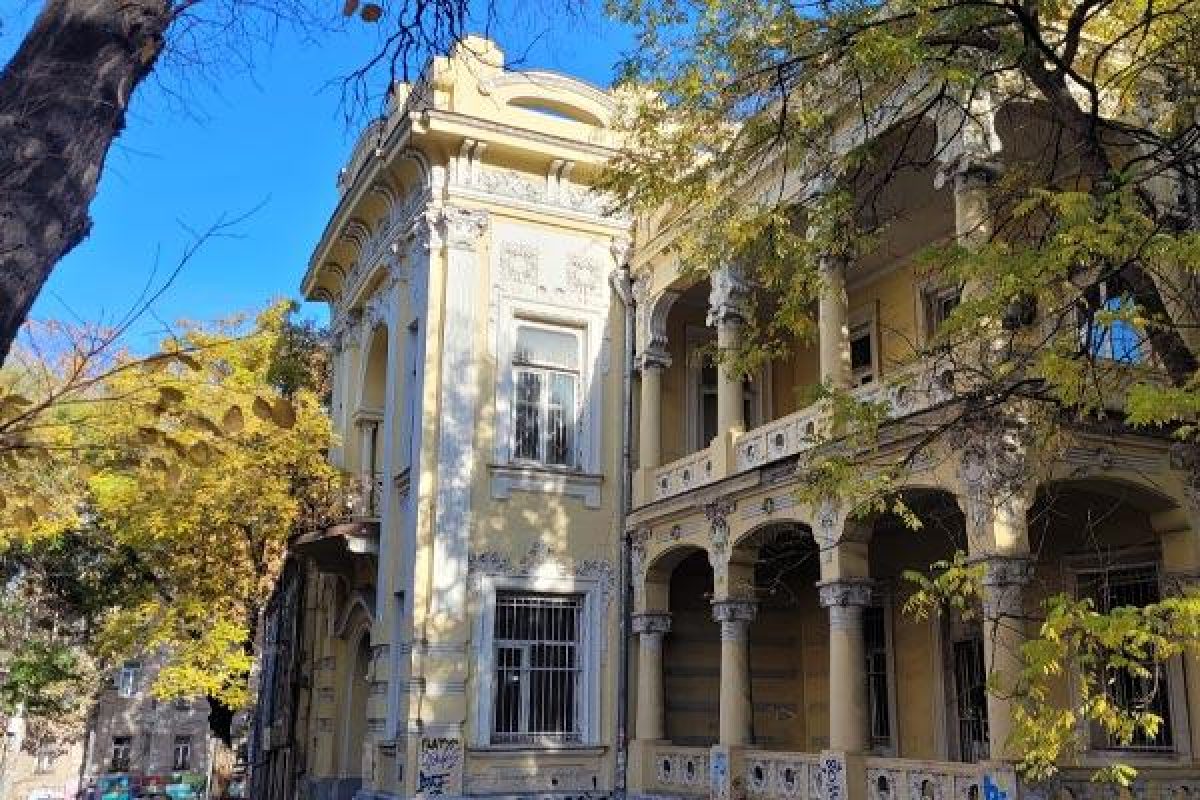
Sololaki is one of Tbilisi’s most architecturally distinctive neighborhoods, located southwest of Freedom Square.
The district developed significantly during the 19th century and is known for its historic residential buildings, decorative entrances, traditional courtyards and ornate balconies.
Compared with the busiest streets of Old Tbilisi, Sololaki offers a more residential experience while remaining close to the main sightseeing areas.
The neighborhood becomes steeper as you move away from Freedom Square toward the hillside.
Many boutique properties occupy historic buildings, so elevator access, sound insulation and room layouts vary considerably.
Best for: Couples, architecture enthusiasts, photographers and independent travelers.
Location tip: Accommodation near Shalva Dadiani Street, Giorgi Leonidze Street and lower Lado Asatiani Street offers a convenient balance between historic atmosphere and central location.
Learn more about the district through Georgia’s official tourism portal: Sololaki District.
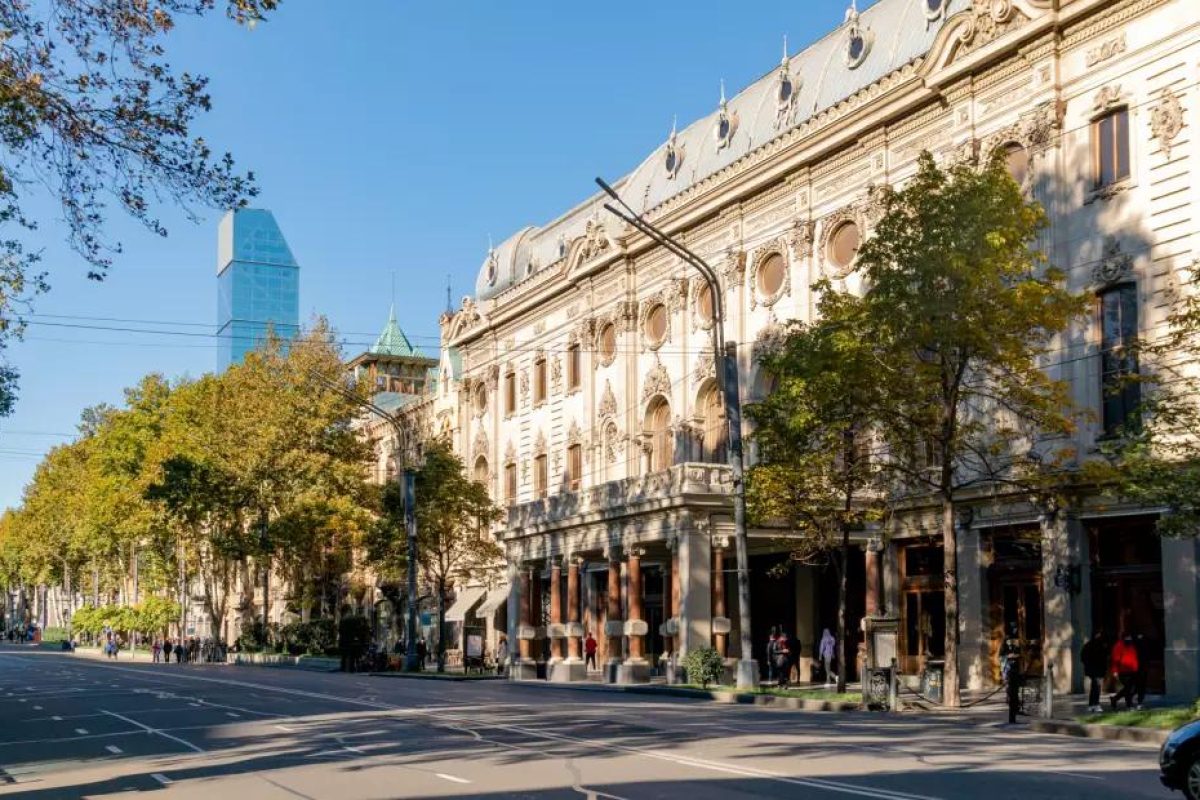
Rustaveli Avenue is Tbilisi’s principal boulevard and one of the most important cultural and commercial areas in Georgia.
The avenue extends for approximately 1.5 kilometers and connects Freedom Square with the Rustaveli metro area.
Mtatsminda’s residential streets extend uphill from the avenue, offering a different atmosphere from the main boulevard.
This part of Tbilisi is particularly suitable for travelers who want easy access to museums, theaters, shopping and established hotel brands.
Rustaveli Avenue is a major traffic corridor, so rooms facing the main road may experience traffic noise.
Upper Mtatsminda is considerably hillier than the avenue itself. Travelers with mobility limitations should check the property’s exact location.
Rustaveli Avenue is also used for public gatherings. Temporary road closures or transportation changes may occur.
Best for: Cultural travelers, business visitors, luxury stays and short city breaks.
Location tip: Choose accommodation close to the avenue rather than high on the Mtatsminda hillside if convenient transportation is a priority.
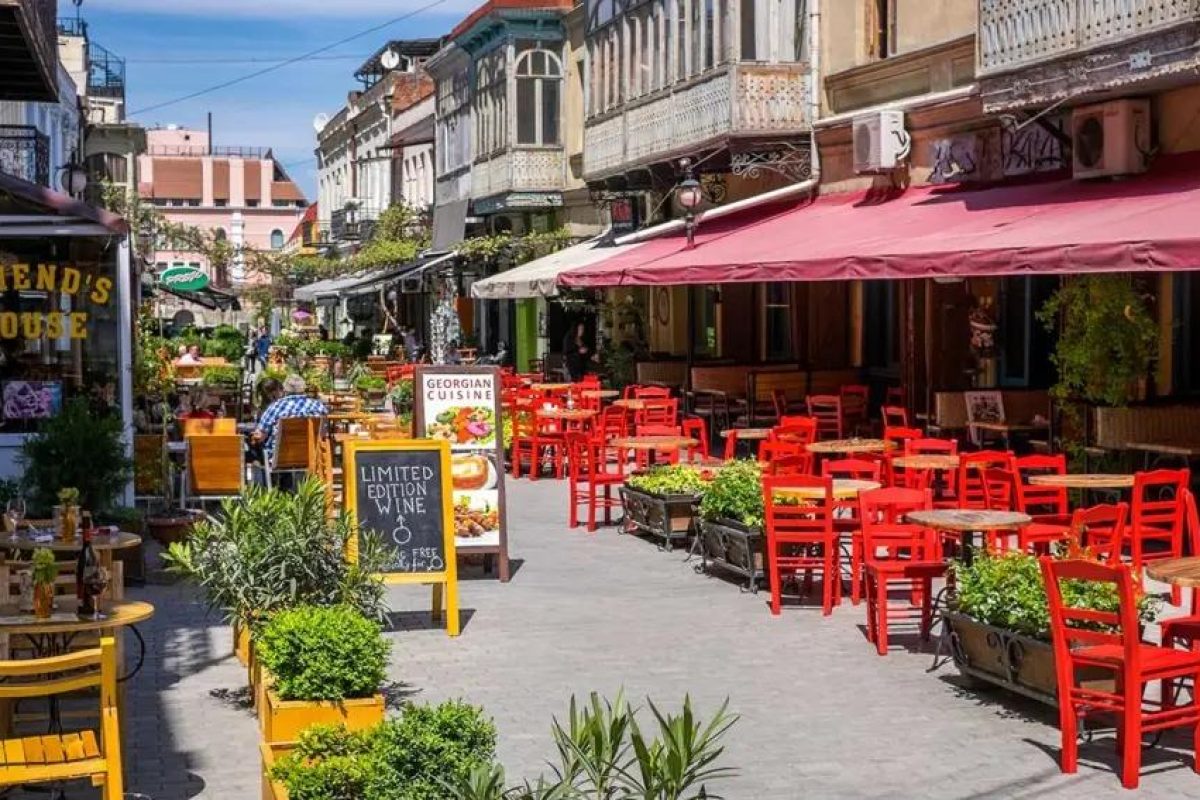
Vera is a historic residential neighborhood northwest of Rustaveli Avenue.
It combines traditional Tbilisi architecture with contemporary restaurants, cafés, design-focused hotels and neighborhood shops.
Unlike the main tourist areas of Old Tbilisi, Vera offers an opportunity to experience everyday city life while staying relatively close to central attractions.
Some upper residential streets are steep. Depending on your hotel’s location, reaching the sulfur baths and historic sightseeing district may require a longer walk or a short public transport journey.
Best for: Couples, independent travelers, food lovers and visitors returning to Tbilisi for a second trip.
Location tip: Stay near Kostava Street or Melikishvili Avenue if you want convenient access to Rustaveli metro station and other central neighborhoods.
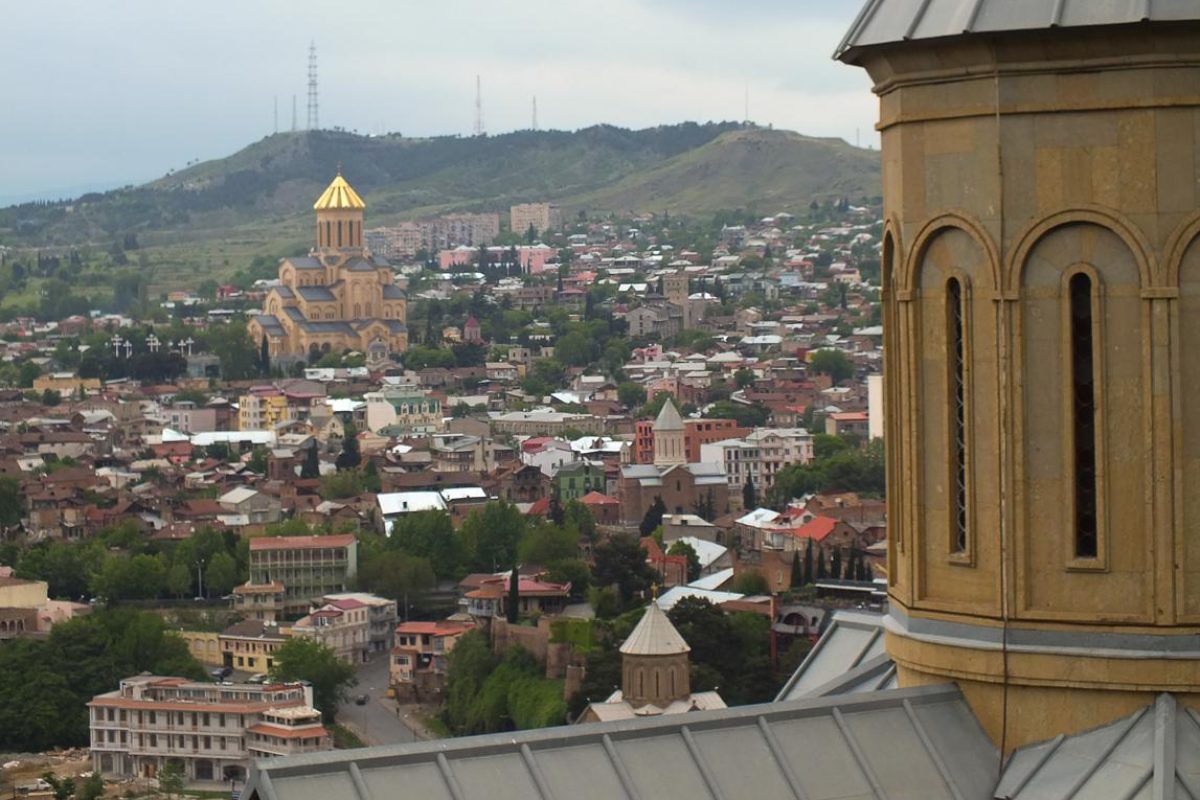
Located on the left bank of the Mtkvari River, Avlabari is a historic district overlooking parts of Old Tbilisi.
The neighborhood is home to the Holy Trinity Cathedral, commonly known as Sameba Cathedral, and provides access to the Metekhi area and Rike Park.
Avlabari is particularly convenient for travelers looking for accommodation near the historic center without necessarily staying in the busiest tourist streets.
Some streets between the river, the metro station and Sameba Cathedral are steep.
A hotel advertised as having panoramic views may be located farther uphill than expected, so check the walking route before booking.
Best for: Budget-conscious travelers, families seeking guesthouses and visitors who want to combine sightseeing with public transportation.
Location tip: Choose accommodation near Avlabari metro station if you intend to travel frequently across Tbilisi or join organized day trips.
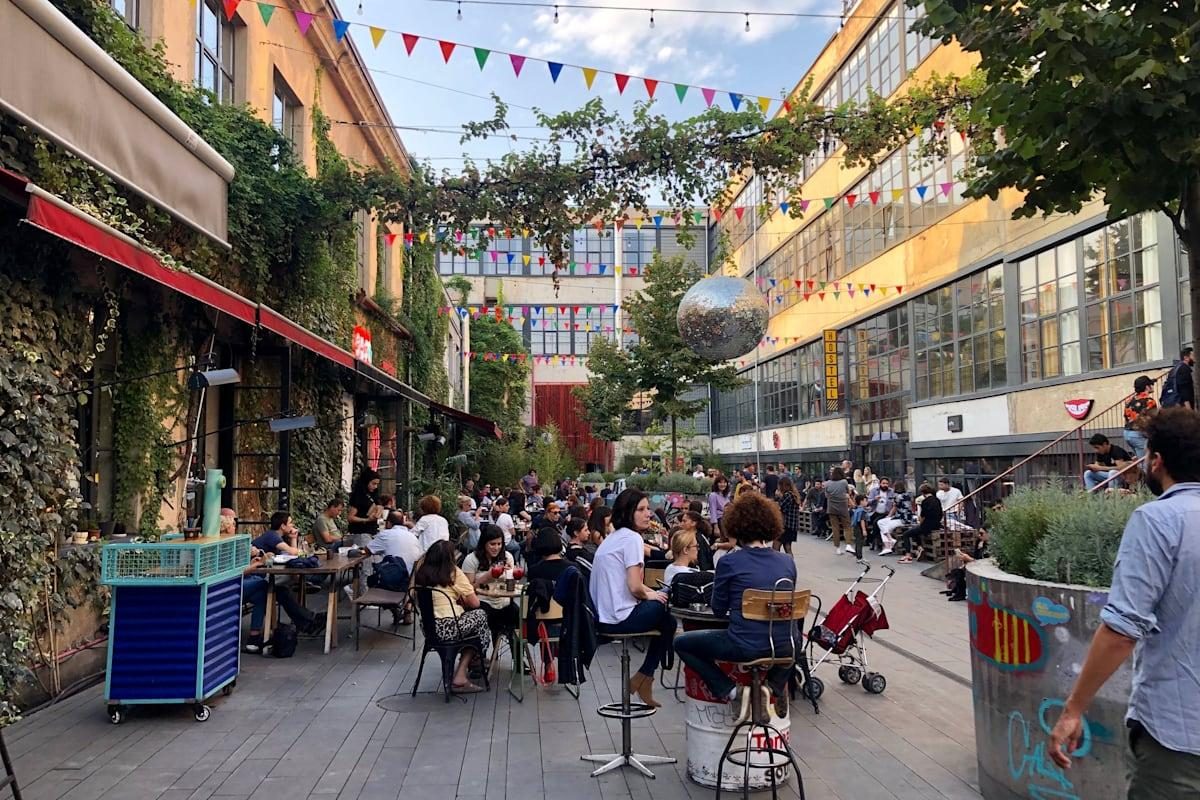
Chugureti is a historic neighborhood on the left bank of the Mtkvari River, centered around Davit Aghmashenebeli Avenue and Marjanishvili Square.
The area developed during Tbilisi’s expansion in the 19th century and retains distinctive European-style architectural influences.
Today, it is known for restaurants, independent cafés, hostels, creative venues and social spaces.
Accommodation near popular bars and social venues can be noisy at night.
If your itinerary concentrates on Old Tbilisi and Abanotubani, you will need to cross the river and may prefer to use the metro for some journeys.
Best for: Solo travelers, backpackers, younger visitors, nightlife enthusiasts and remote workers.
Location tip: Stay close to Marjanishvili Square for transport convenience, or near Fabrika if meeting other travelers is an important part of your trip.
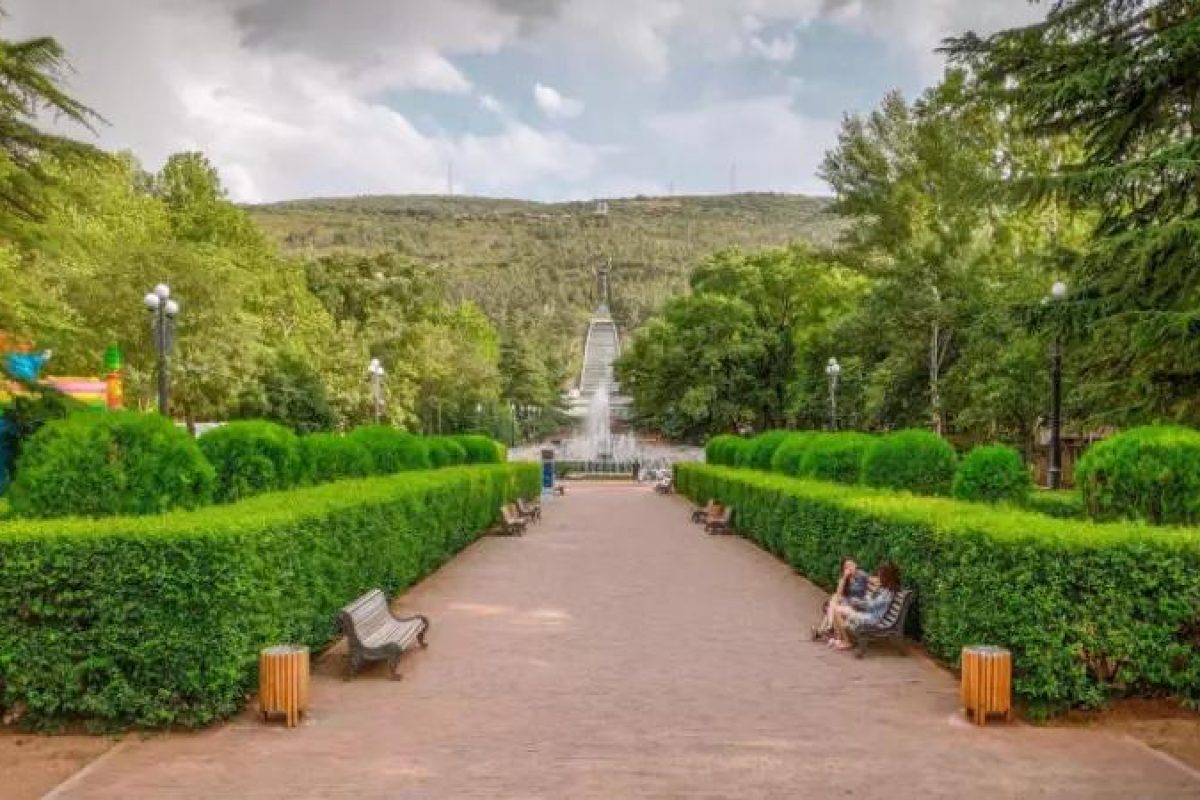
Vake is an established residential district west of central Tbilisi, known for its parks, cafés, contemporary apartments and shopping streets.
It offers a different experience from the historic center and is particularly suitable for travelers who prioritize everyday comfort, green spaces and residential surroundings.
Vake does not have a metro station in its central area. Visitors generally rely on buses, taxis or ride-hailing services to reach Old Tbilisi.
Traffic along major roads can increase travel times, particularly during peak hours.
Although Vake is a comfortable base, it is less convenient for a short trip focused entirely on historic attractions.
Best for: Families, business travelers, extended stays and visitors who prefer a residential environment.
Location tip: Look for accommodation near Vake Park or Chavchavadze Avenue, where daily services and public transportation are readily accessible.
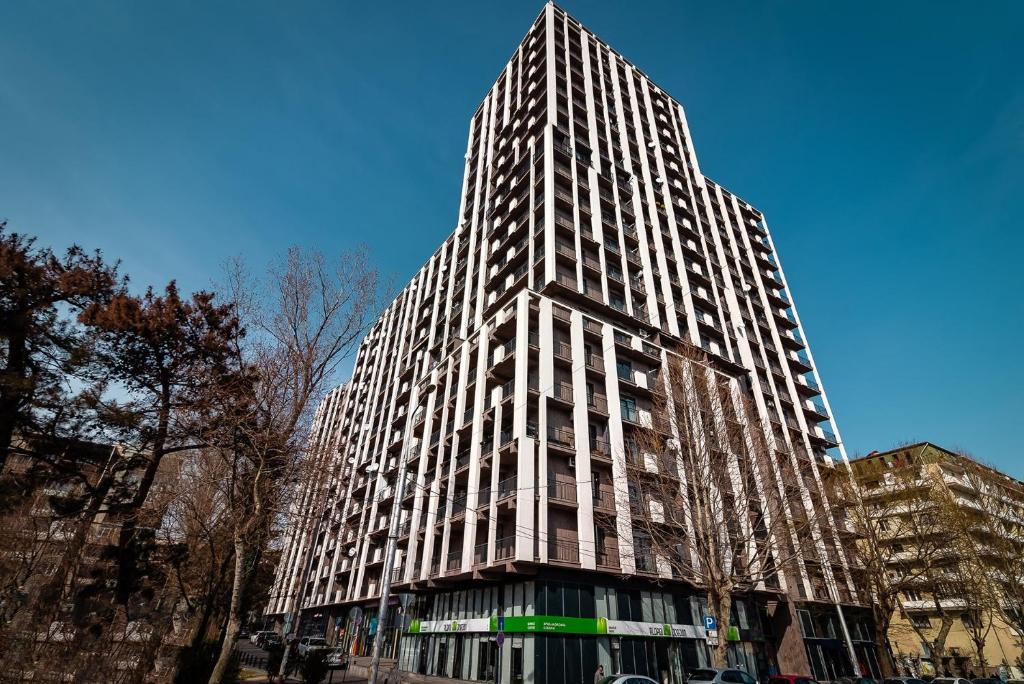
Saburtalo is one of Tbilisi’s major residential and commercial districts.
The area contains universities, office buildings, shopping centers, supermarkets and modern apartment complexes.
Its metro connections make it a practical choice for visitors who intend to stay in Tbilisi for several weeks or longer.
Saburtalo is farther from the historic sightseeing districts than Old Tbilisi, Sololaki or Vera.
While public transportation provides connections to the city center, commuting can take additional time.
Visitors looking for traditional architecture and a historic atmosphere may prefer a different neighborhood.
Best for: Digital nomads, students, business visitors and travelers staying for several weeks or months.
Location tip: Choose a property close to Technical University, Medical University or Delisi metro station rather than relying on proximity to the main road alone.
The right neighborhood depends on what you want to experience during your visit.
Travel style | Recommended areas | Why |
First visit | Old Tbilisi, Sololaki | Close to the main attractions |
Weekend break | Freedom Square, Old Tbilisi | Less time spent commuting |
Couples | Sololaki, Vera | Architecture, restaurants and cafés |
Families | Vake, central apartments | Parks or convenient sightseeing |
Backpackers | Marjanishvili, Avlabari | Hostels and guesthouses |
Nightlife | Chugureti, Old Tbilisi | Social venues and bars |
Luxury travel | Rustaveli Avenue, Vera | Upscale hotel options |
Business travel | Rustaveli, Saburtalo, Vake | Hotels and commercial districts |
Digital nomads | Saburtalo, Vake, Vera | Apartments and everyday infrastructure |
Photography | Sololaki, Abanotubani, Avlabari | Historic architecture and viewpoints |
Accommodation prices in Tbilisi depend on the season, neighborhood, property type, amenities and booking date.
Central neighborhoods feature everything from inexpensive guesthouses to luxury international hotels. Residential districts may offer better value for travelers booking apartments for longer periods.
Rather than choosing accommodation based solely on neighborhood-wide price estimates, compare properties for your actual travel dates.
Accommodation type | Where to look |
Hostels | Chugureti, Marjanishvili, Old Tbilisi |
Budget guesthouses | Avlabari, Chugureti |
Mid-range hotels | Sololaki, Vera, Avlabari |
Boutique hotels | Sololaki, Old Tbilisi, Vera |
Luxury hotels | Rustaveli Avenue, Freedom Square, Vera |
Long-stay apartments | Saburtalo, Vake, Vera |
When comparing accommodation, check whether taxes, breakfast, cleaning charges and airport transfers are included in the advertised price.
The cheapest room is not always the most economical choice. A centrally located property can reduce transportation costs and save valuable sightseeing time during a short trip.
You do not need to rent a car to explore central Tbilisi.
The city’s metro, municipal buses and taxis provide connections between most major neighborhoods.
For car-free travel, particularly convenient areas include:
Tbilisi’s standard municipal public transport fare is 1 GEL for 90 minutes of eligible travel under the currently published tariff.
Daily and longer-duration transport passes are also available.
Check current routes and fares through the Tbilisi Transport Company.
If you plan to explore destinations outside the capital, read our complete guide to getting around Georgia for information about trains, intercity buses, minibuses and private transportation.
Tbilisi is an excellent base for discovering other parts of Georgia without changing accommodation every day.
Popular day-trip destinations include:
If organized excursions are a major part of your itinerary, consider staying in a central neighborhood with convenient road and metro access.
Before booking accommodation, check your tour’s exact departure point. Group tours may have designated meeting locations, while private tours may offer pickup arrangements depending on the selected service.
Gamarjoba Georgia Tours offers group tours from Tbilisi and private tours in Georgia for visitors who want to explore the country beyond the capital.
Tbilisi International Airport is located southeast of the city center.
For most visitors, there is no need to stay near the airport throughout their trip unless they have an overnight connection or an unusually early departure.
Central accommodation around Freedom Square, Avlabari and Rustaveli offers access to airport transportation options, including buses, taxis and private transfers.
If you are arriving late at night or traveling with substantial luggage, arranging a transfer in advance can simplify your arrival.
Explore private airport transfers with Gamarjoba Georgia Tours.
Tbilisi’s architecture and geography create some practical considerations that are easy to overlook when booking online.
Use a map to see how the property connects to restaurants, attractions, public transportation and your planned tour departure points.
A hotel located several hundred meters from a metro station may still involve a steep uphill walk.
Historic buildings in Sololaki and Old Tbilisi may have staircases rather than elevators.
Some narrow streets are also difficult for larger vehicles to access.
Contact the property directly if you are traveling with heavy luggage, a stroller or have mobility requirements.
Restaurants, bars and busy roads can affect sleeping conditions.
Choose an interior-facing room or a quieter side street if noise is a concern.
Tbilisi experiences hot summers and cold winter periods.
Confirm that your accommodation has suitable heating or air conditioning for the season of your visit.
If you are working remotely, ask for the property’s actual internet speed rather than relying solely on a general Wi-Fi listing.
Old Tbilisi and Sololaki are the most convenient choices for a first visit. Both provide access to major attractions, Georgian restaurants, historic streets and central transportation connections.
Avlabari and Marjanishvili are good starting points for finding affordable guesthouses, hostels and apartments with metro access. Compare actual rates for your travel dates.
Vake is suitable for families seeking parks and a residential environment. For shorter sightseeing trips, an apartment near Freedom Square or in lower Sololaki may be more convenient.
Old Tbilisi is better for historic atmosphere and sightseeing on foot. Rustaveli Avenue is more suitable for travelers who prioritize modern hotels, museums, shopping and convenient metro access.