Main Areas of Kazbegi National Park
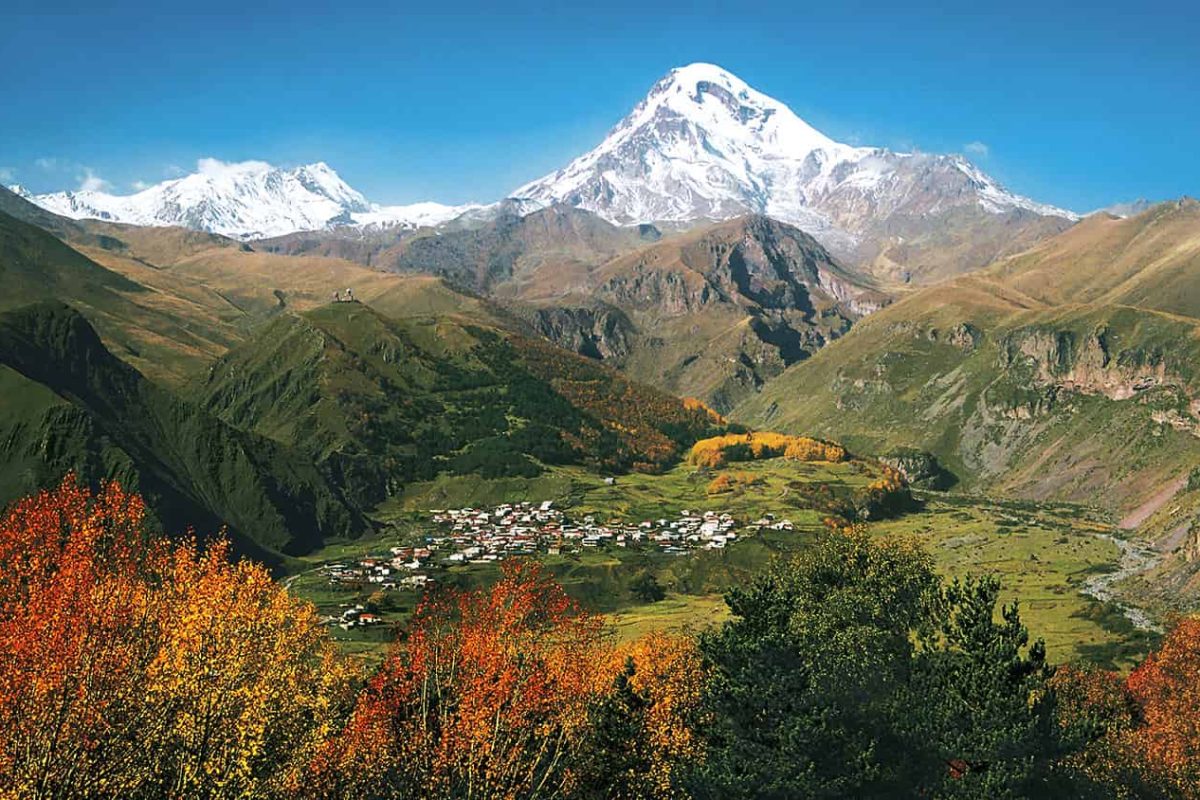
Official protected-area information highlights Truso Gorge, Dariali Gorge, and Khdi Gorge among the park’s main destinations. Official Georgian tourism information also identifies Gveleti Waterfalls, Sno Valley, Juta, the Chaukhi Massif, and the Mount Kazbek area as key places associated with the national park.
These places offer very different experiences.
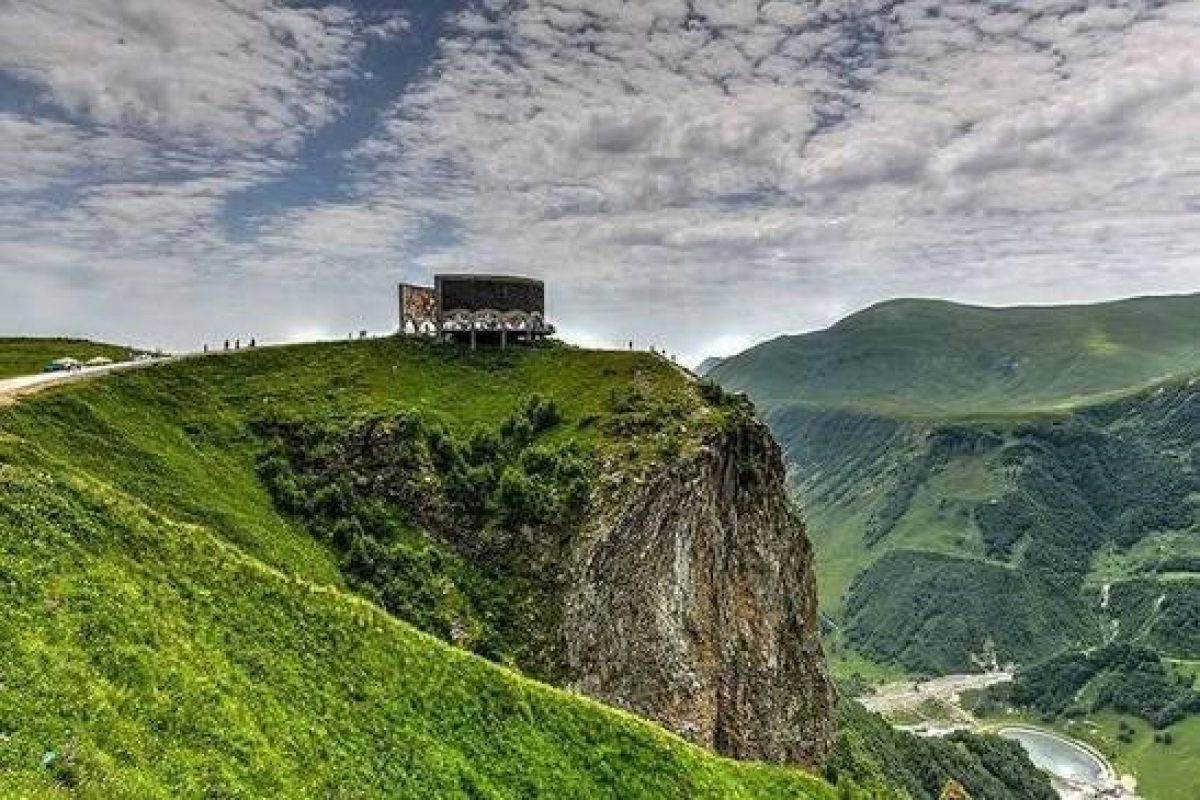
Truso Valley is suited to a long walk through a relatively open highland valley, with mineral springs, travertine formations, old settlements, and defensive structures. Dariali is narrower and more dramatic, with steep rock walls, road access, and the option to combine the drive with Gveleti Waterfalls. Juta and Chaukhi are more clearly hiking territory, where the route quickly gains altitude and conditions become more alpine.
If you have only one day, do not try to cover every part of the park. One properly explored valley is more useful than spending the day moving between distant trailheads.
Plants and Wildlife
The Kazbegi National Park flora includes 1,347 recorded plant species, around 26% of which are endemic. Official biodiversity information lists Litvinov birch, Sosnowsky’s pine, juniper, and other alpine and subalpine vegetation among the characteristic plant communities. The Protected Areas Agency also notes significant sea-buckthorn growth near Stepantsminda and distinct forest communities in the Sno Valley.
Do not build your visit around expecting a guaranteed wildlife sighting. Rare mountain species generally avoid busy paths and human activity.
What visitors are much more likely to notice is the change in ecological zones. Within a single hike, you may move from river valley vegetation into birch woodland, then through alpine grassland, and eventually onto exposed rock where vegetation becomes sparse.
Visitor Rules and Border Zones
The park administration advises visitors to contact the administration before heading onto a trail. Official rules allow travel on marked routes on foot, by horse, and where appropriate by vehicle. Photography and video are permitted, while camping and fires are limited to designated areas.
Visitors are not allowed to collect natural materials or cultural objects without permission, damage park infrastructure, or light fires outside permitted places. Pets are also listed among the prohibited activities.
There is another important issue around border areas. The Agency of Protected Areas states that special movement permits may be required for certain sections of Truso Valley, Mount Kazbek, the upper Devdoraki area, Khdi Gorge, and parts of Dariali near the international border.
Do not assume that because a trail appears on a digital map you can continue indefinitely. Border controls are a real part of hiking logistics in northern Kazbegi.
Best Time to Visit Kazbegi National Park
There is no single best season for every part of the park. Lower valleys become accessible earlier in the year, while high passes may remain snow-covered into summer.
Even in July or August, carry a rain shell, a light warm layer, sun protection, and enough water. Clear morning weather can shift quickly once cloud builds around the high ridges.
The most practical way to understand Kazbegi National Park is as a collection of different mountain environments rather than one attraction. Decide whether you want an open valley walk, a short waterfall trail, an alpine village, or a high pass first. That decision will determine the right route, equipment, and amount of time you need.



Comment (0)