What to See in Adishi
Official Georgian tourism information records four hall-type churches in the village.
The Church of the Savior dates to the 10th–11th centuries and preserves paintings from the 12th century. Two St George churches date mainly to the 11th–12th centuries, while the Archangel Church dates to the 13th century and contains historic frescoes.
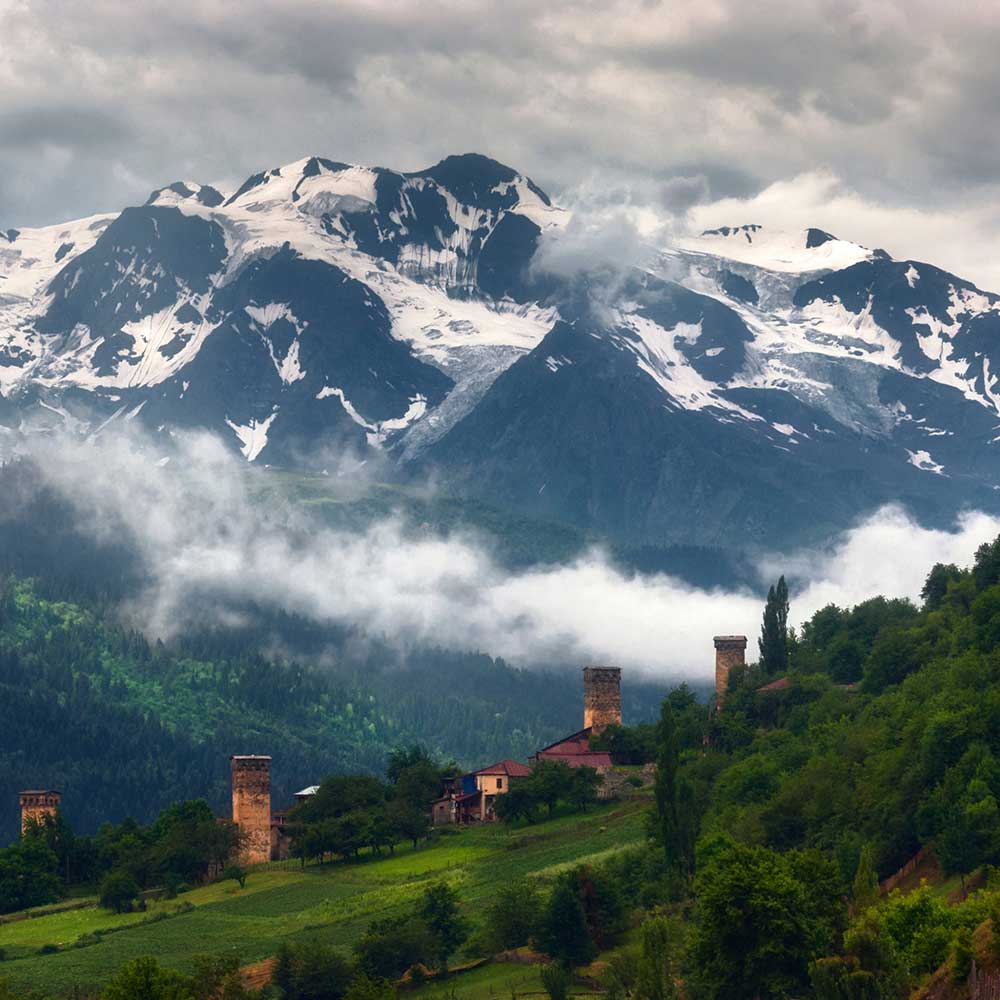
The churches do not stand in a separate monumental district. They are integrated into the village, together with Svan towers and traditional houses.
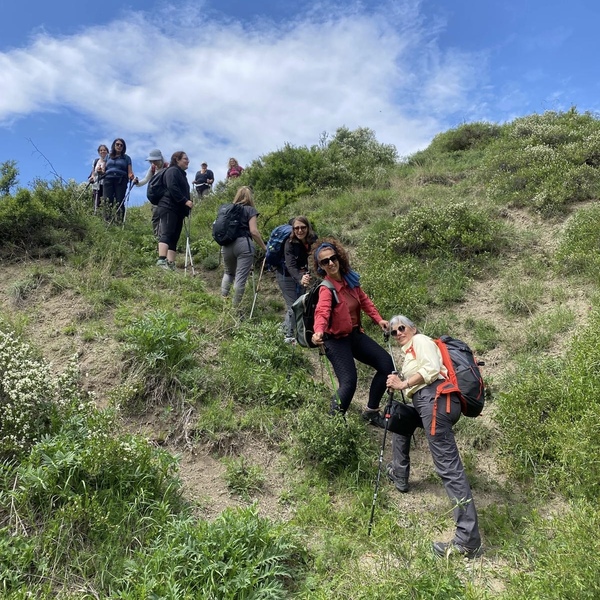
Walking is the best way to explore. Village lanes can be uneven and muddy after rain, so footwear with decent grip is more useful than ordinary city shoes.
The Adishi Gospels
The Adishi Gospels are one of the best-known early Georgian Gospel manuscripts. Academic material held by Georgia’s National Parliamentary Library dates the manuscript to 897 CE. It was copied at Shatberdi Monastery and later became associated with Adishi, from which it takes its modern name.
The manuscript is significant not simply as a religious object but as an important source for the study of the Old Georgian language, script, and manuscript tradition.
Official Georgian tourism information links the manuscript with the Svaneti Museum of History and Ethnography in Mestia. Visiting that museum before or after Adishi adds useful context to the village’s cultural history.
How to Reach Adishi
It is possible to reach Adishi by vehicle, but access should not be treated like a normal paved-road drive. Official information warns that the road from Mestia becomes rough and winding, with the final section requiring a vehicle with strong off-road capability.
For hikers, the more common approach is from Zhabeshi.
The official Zhabeshi–Adishi trail is approximately 12 kilometres and normally takes around 5–6 hours. The route climbs towards a plateau at roughly 2,400 metres and passes close to the Tetnuldi ski area before descending towards Adishi.
This makes Adishi a natural overnight stop on the classic Mestia–Ushguli trekking itinerary.
The Route Beyond Adishi
The next stage towards Iprari is more demanding.
According to the official Adishi–Iprari route, the first 5.5 kilometres from the village are relatively straightforward. The difficulty changes when hikers reach the river below Chkhutnieri Pass. There is no permanent bridge at the standard crossing, and many hikers use a local horse service to cross safely.
River conditions can change with snowmelt, rainfall, and time of day. Do not assume that a crossing that was easy for somebody else will be equally safe when you arrive.
After the river, the route climbs steeply towards Chkhutnieri Pass. Official guidance notes that avalanche conditions affect the pass and that it generally becomes suitable for crossing only from late June.
Best Time to Visit Adishi
For hiking, summer through early autumn is the most practical period. High passes and river crossings make the season shorter than for sightseeing in Mestia.
Even in July and August, bring waterproof clothing and a warm layer. At more than 2,000 metres, temperatures fall quickly after sunset and mountain weather can shift during the afternoon.
What makes Adishi worthwhile is the combination rather than one single attraction. Medieval churches, Svan towers, manuscript history, and a still-functioning mountain village all occupy the same compact valley — while one of Svaneti’s most important trekking routes passes directly through it.




Comment (0)