Food in Georgia is more than a daily necessity. It is an important expression of hospitality, friendship, family traditions and cultural identity.
Whether you are enjoying khinkali in a traditional Tbilisi restaurant, tasting homemade wine in Kakheti or sharing dinner with a Georgian family, understanding local dining customs can make your experience more enjoyable.
The most important things to know about Georgian restaurant etiquette are that dishes are often shared, khinkali is traditionally eaten by hand, and tipping is appreciated but not mandatory.
This guide explains how to order Georgian food, understand restaurant bills, participate in traditional toasts and enjoy local dining culture with confidence.
Last fact-checked: November 19, 2026.
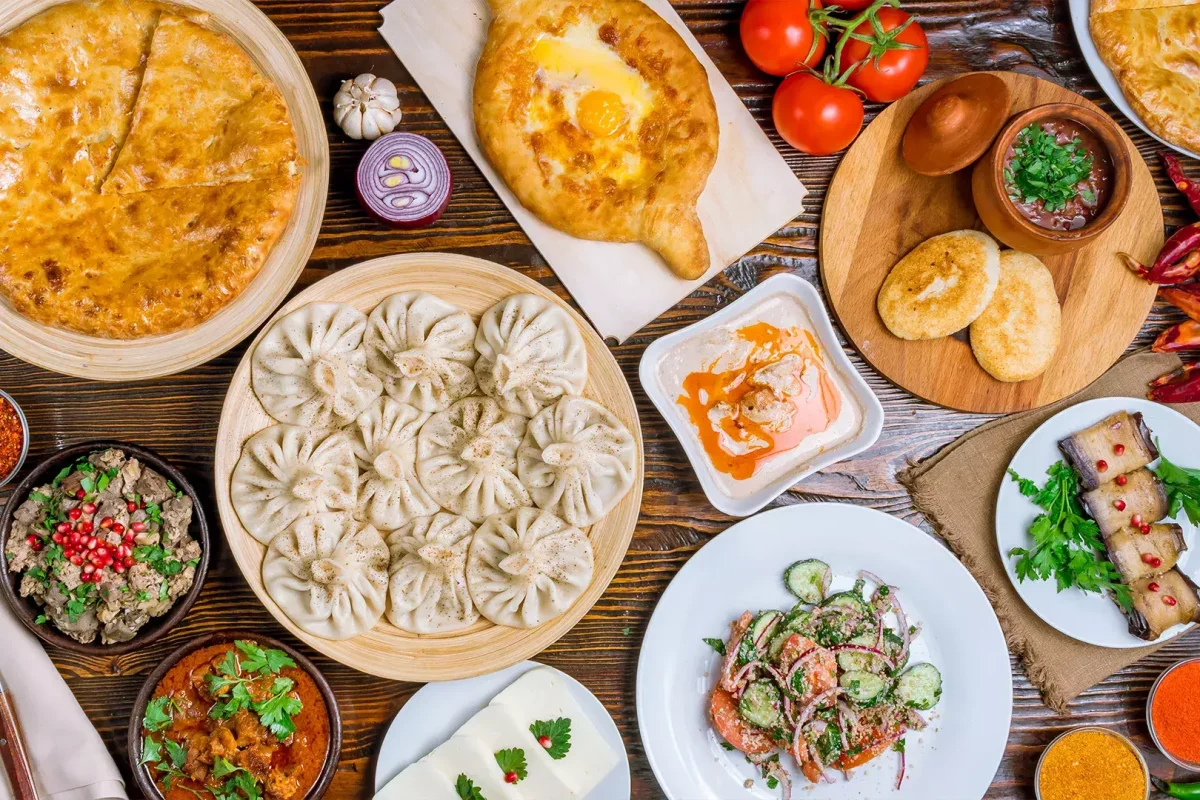
Georgian cuisine is closely connected to the country’s tradition of hospitality. Meals are often social occasions where people spend time together, share food and enjoy conversation.
Rather than ordering an individual starter, main course and dessert for each person, Georgian diners commonly select several dishes for everyone at the table.
This approach allows you to experience a wider variety of flavors, including fresh herbs, walnuts, cheese, grilled meats, seasonal vegetables and traditional bread.
Meals can also be relatively relaxed affairs, especially when friends or family gather for dinner.
However, not every Georgian meal follows traditional ceremonial customs. A quick lunch in Tbilisi is quite different from a formal Georgian feast known as a supra.
Meal times in Georgia are generally flexible.
In Tbilisi, traditional restaurants commonly begin lunch service around midday, while cafés and bakeries may open considerably earlier.
Lunch is often eaten between 1 PM and 3 PM, with dinner taking place around 7 PM to 9 PM or later.
Many restaurants remain open throughout the afternoon rather than closing between lunch and dinner.
If you are looking for breakfast, specialty cafés, bakeries and hotel restaurants are often more convenient than traditional Georgian dining establishments.
Opening hours vary between businesses, particularly outside major cities.
Reservations are not usually necessary for casual dining, but booking ahead is recommended for:
If you are visiting during Tbilisoba, New Year celebrations or other major festivals, arranging a table in advance can help you avoid unnecessary waiting.
One of the best ways to enjoy Georgian cuisine is to order several dishes and share them.
For two people, a practical starting order might include:
You can always order more if necessary.
Georgian dishes can be filling, particularly cheese-filled breads, dumplings and meat dishes.
Start with fewer dishes and order additional food if you are still hungry.
Not necessarily. In traditional restaurants, different dishes may arrive at different times.
Cold appetizers and salads can be served while hot dishes are still being prepared.
Freshly cooked khinkali, khachapuri and grilled meats may take longer.
If you prefer to receive your dishes in a particular order or have everyone served simultaneously, communicate this to your waiter when ordering.
Bread is an important part of Georgian cuisine, particularly when eating stews, salads and traditional sauces.
Some restaurants serve bread after receiving your order, while others require you to request it separately.
Do not automatically assume that bread is complimentary. Check the menu or ask your server.
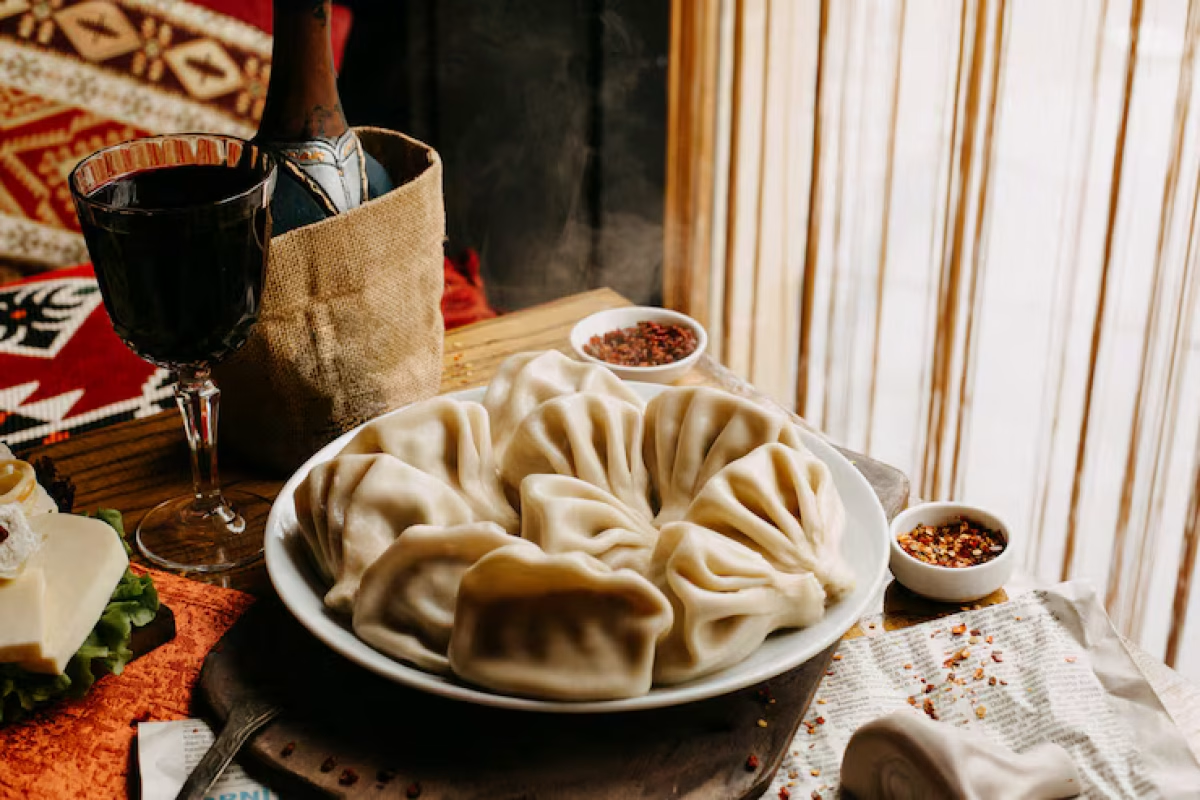
Khinkali are traditional Georgian dumplings, especially associated with the country’s mountainous regions.
Classic meat-filled khinkali contain seasoned minced meat and flavorful broth enclosed in a pleated dough wrapper. Vegetarian variations may contain mushrooms, potatoes or cheese.
Khinkali is traditionally eaten with your hands, not with a knife and fork.
The knot is commonly left uneaten in Georgia.
Freshly ground black pepper is a popular accompaniment.
Avoid cutting a meat-filled khinkali in half before eating it, as the flavorful broth will spill onto the plate.
Khinkali is generally priced per piece rather than per plate.
Some restaurants have minimum order quantities, so check the menu before ordering.
If you are trying several Georgian dishes, three to five khinkali per adult can be a reasonable starting point, depending on appetite.
You can usually order more afterward.
Beer is traditionally associated with khinkali, reflecting the brewing traditions of Georgia’s mountain communities.
Wine, mineral water and other non-alcoholic drinks are also perfectly acceptable.
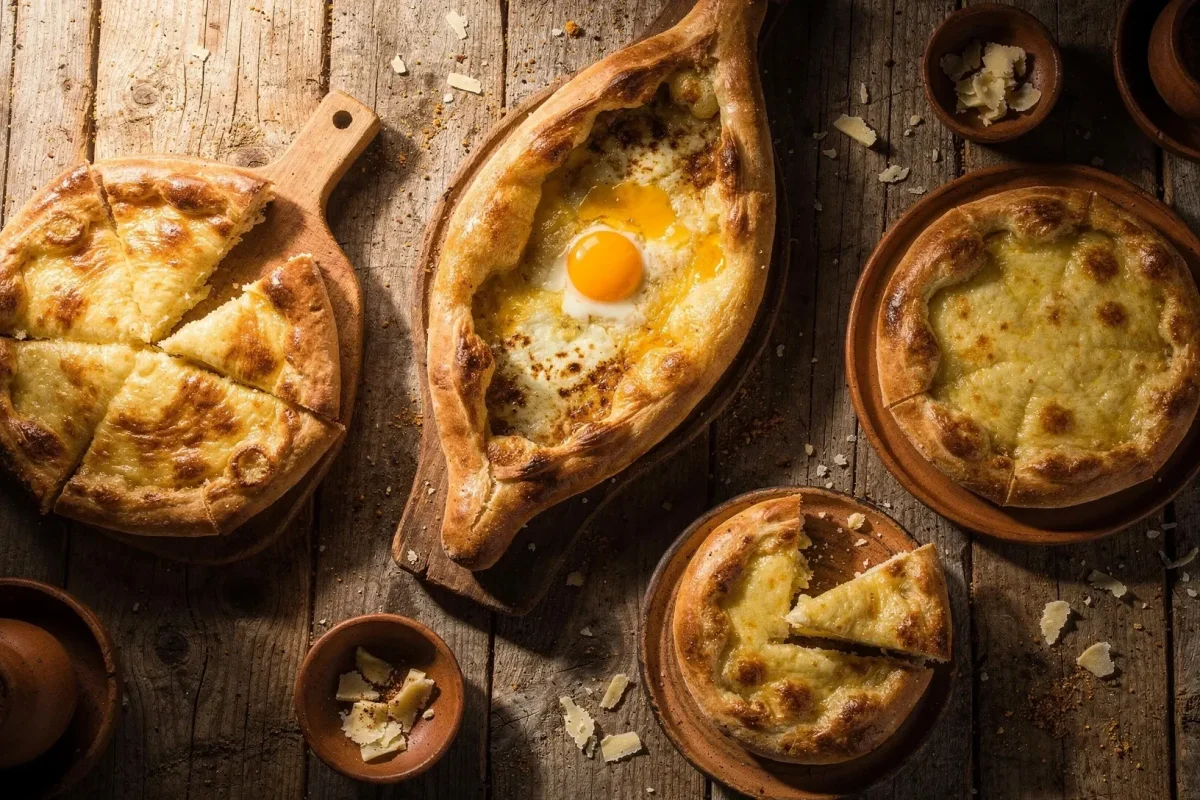
Khachapuri is one of Georgia’s most recognizable dishes. It is a traditional cheese-filled bread prepared in several regional styles.
Adjaruli khachapuri originates from Adjara, Georgia’s southwestern Black Sea region.
It has a distinctive boat shape and is usually filled with melted cheese, butter and egg.
The traditional way to enjoy it is to:
If you prefer your egg more thoroughly cooked, ask the kitchen whether this can be arranged.
Imeruli khachapuri is a round bread filled with cheese.
It is commonly cut into slices and shared among diners.
Megruli khachapuri contains cheese inside the bread and an additional layer of cheese on top.
It is particularly rich and is well suited to sharing.
These are only three examples of Georgia’s diverse regional khachapuri traditions.
If you are visiting Georgia for the first time, consider ordering a combination of the following dishes.
A vegetable-based appetizer prepared with ground walnuts, garlic, herbs and spices.
Common varieties include spinach, beetroot and other seasonal vegetables.
Fried eggplant slices filled with seasoned walnut paste, often garnished with pomegranate seeds.
A traditional Georgian bean dish frequently served in a clay pot, sometimes accompanied by mchadi and pickled vegetables.
Georgian cornbread, often enjoyed with beans, cheese and vegetable dishes.
Georgian grilled meat, commonly prepared using pork or other meats.
It is particularly associated with outdoor cooking and traditional gatherings.
A Georgian poultry stew typically prepared with tomatoes, onions and fresh herbs.
A traditional stew commonly associated with spring, prepared with meat, tarragon and sour plums or other acidic ingredients.
A rich chicken dish originating from the Racha region, known for its garlic-based sauce.
A traditional walnut-based sauce commonly served with chicken or turkey, especially during festive occasions.
A traditional Georgian sweet made by coating strings of nuts in a thickened grape juice mixture.
It is particularly popular as a snack or edible souvenir.
For travelers interested in learning how traditional Georgian dishes are prepared, our Tbilisi Food Tour and Cooking Class offers a hands-on introduction to local cuisine.
Tipping is appreciated in Georgia, particularly in restaurants, cafés and other hospitality businesses. However, it is not universally expected or compulsory.
Georgia’s official tourism portal suggests that a tip of 10–15% is appropriate when you are satisfied with the service.
The amount remains entirely your choice.
As a practical guideline:
Always distinguish between a voluntary tip and a restaurant’s service charge.
If you want to ensure that your waiter personally receives the gratuity, ask how tips are distributed or hand them a small cash tip directly.
Understanding restaurant pricing is particularly important for international visitors.
In 2024, the Georgian Competition and Consumer Agency (GCCA) established a price transparency standard for the food service industry.
Under its published guidance, restaurants and bars must display final prices that include applicable VAT, service charges and other compulsory fees.
The price displayed on the menu should already include mandatory charges.
For example, if a dish is listed at 20 GEL, a compulsory service charge should already be reflected in that displayed price.
Despite this requirement, some establishments may still present additional percentage-based service charges.
VAT: A government tax applied where legally applicable. It must be reflected in the final advertised price.
Service charge: A compulsory fee established by the restaurant, where applicable. It must also be incorporated into the displayed final price.
Tip: A voluntary additional payment that customers may choose to leave.
These are three different concepts.
A restaurant service charge is not necessarily distributed directly to the waiter who served you.
If an additional mandatory charge appears on your bill that was not included in the displayed price:
If the issue cannot be resolved, contact the Georgian Competition and Consumer Agency.
Consumer protection hotline: 1520.
In 2026, the agency also published an enforcement decision confirming that adding a 15% service fee to displayed restaurant prices constituted an unfair commercial practice.
Sources: GCCA – Restaurant Price Transparency Standard and GCCA – 2026 Restaurant Service Charge Decision.
Payment by debit or credit card is widely available in Tbilisi and other major Georgian cities.
However, smaller family-run restaurants, rural businesses and establishments in mountainous areas may have more limited payment facilities.
Carry a small amount of Georgian lari as a backup.
Georgia’s national currency is the Georgian lari (GEL).
If you are dining with friends and want to pay separately, ask your server before requesting the bill.
Some restaurants can divide a payment between several cards, while others may find separate billing less convenient.
You can also ask for one combined bill and organize the individual payments within your group.
You can say:
Angarishi, gtkhovt (ანგარიში, გთხოვთ).
This means “The bill, please.”
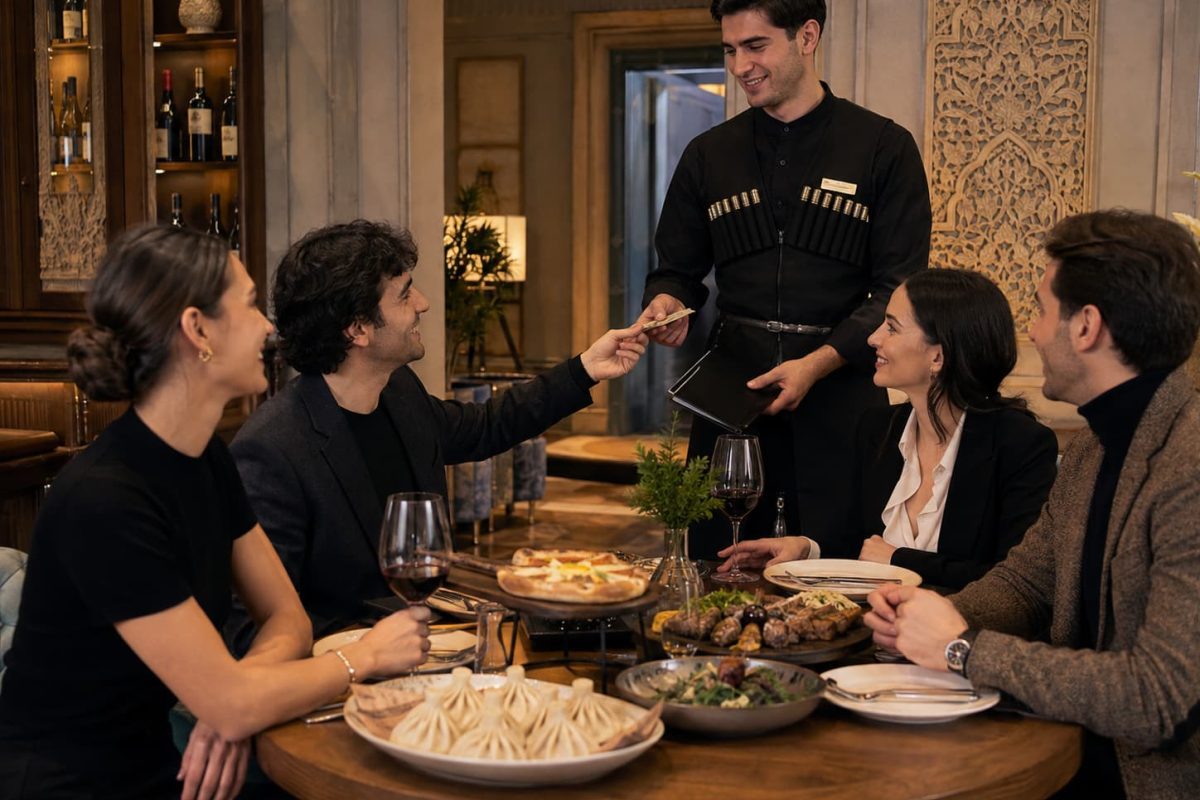
Georgia has an ancient winemaking tradition, and wine remains an important part of its culinary identity.
Restaurants may offer wine by the glass, by the bottle or in a carafe.
Traditional Georgian wines include:
Amber wines are particularly interesting for visitors who want to discover Georgia’s traditional qvevri winemaking methods.
No. Although wine is closely associated with Georgian hospitality, visitors are not required to drink alcohol.
You can politely decline wine or chacha and choose mineral water, lemonade or another non-alcoholic beverage.
If you are attending a traditional Georgian feast, communicate your preference to the host or toastmaster.
You do not need to provide a personal explanation for choosing not to drink alcohol.
Chacha is a traditional Georgian grape-based spirit, generally considerably stronger than wine.
It is often associated with family gatherings and traditional hospitality.
If you choose to try it, drink responsibly and do not feel obliged to match other guests’ consumption.
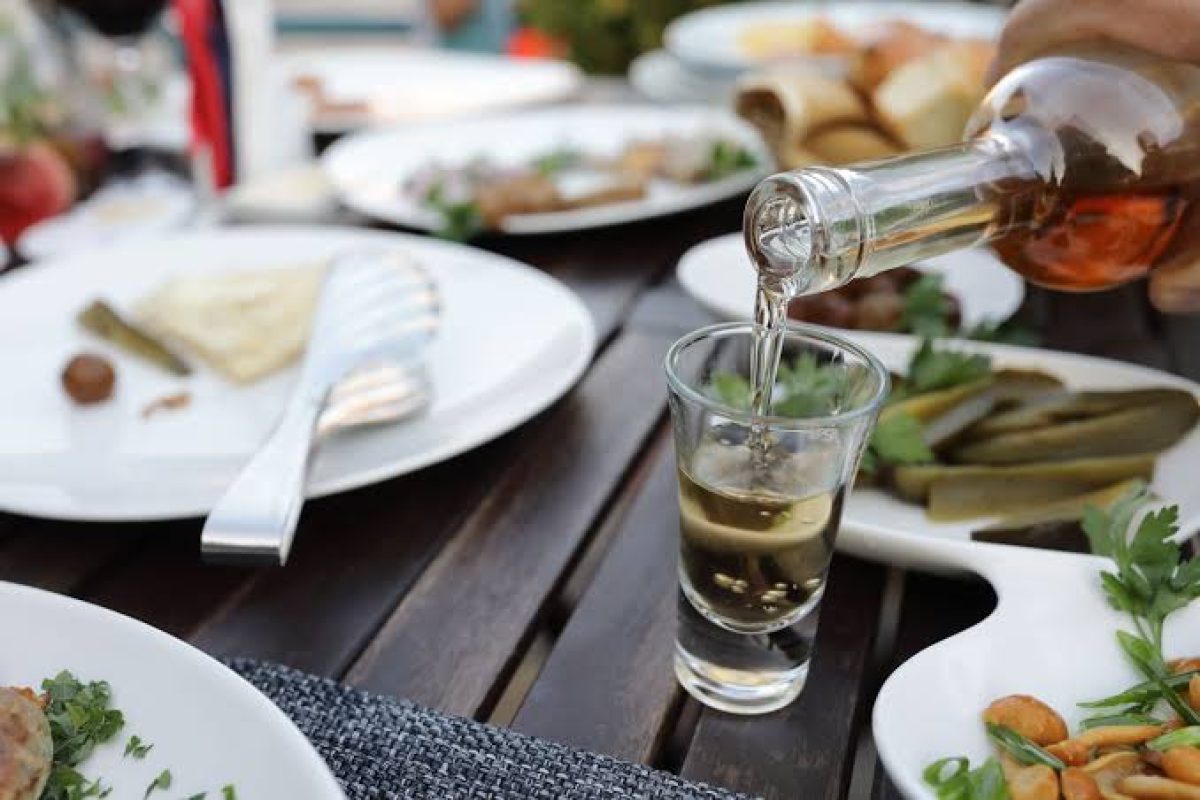
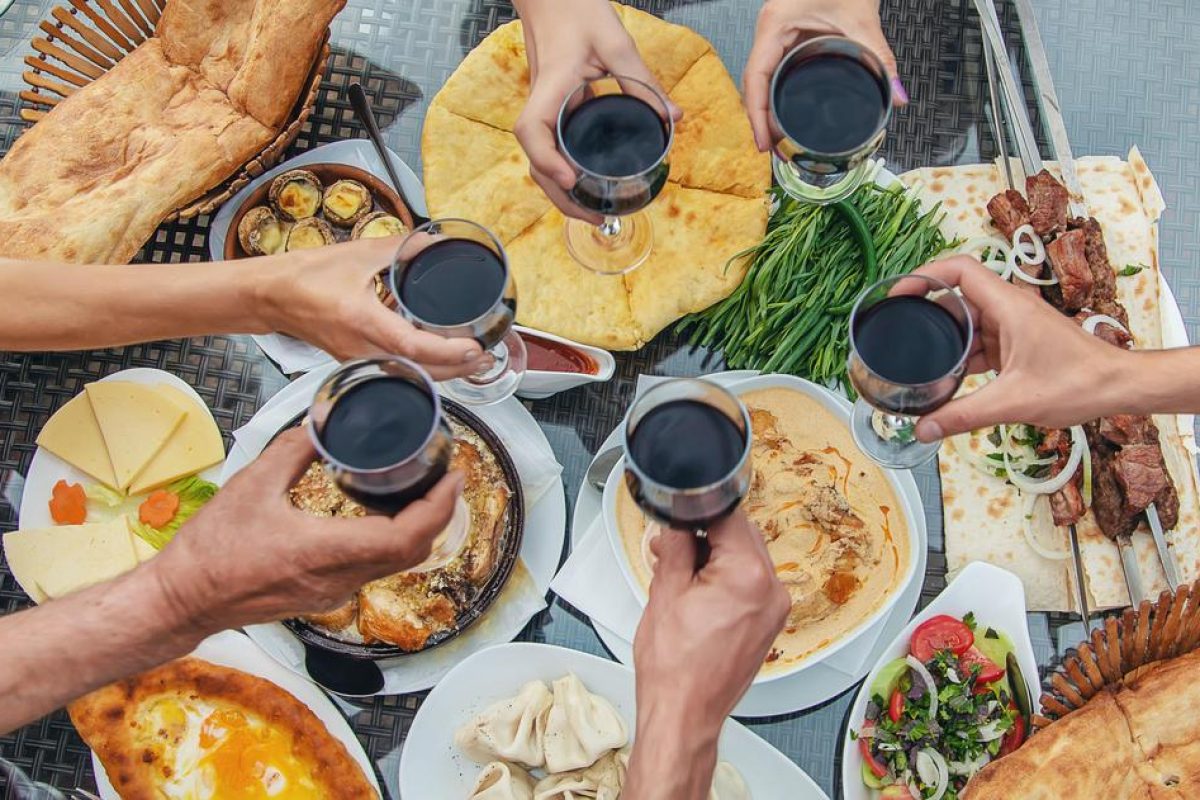
A supra is a traditional Georgian communal feast that brings together food, wine, conversation and ceremonial toasts.
It can be organized for celebrations, family gatherings, religious occasions or commemorations.
Unlike a regular restaurant meal, a traditional supra has its own social and ceremonial structure.
The tamada is the toastmaster responsible for guiding the sequence of toasts during a supra.
The role involves more than simply proposing a toast. The tamada helps establish the atmosphere, maintain the rhythm of the gathering and reflect the significance of the occasion.
Common toast themes include family, friendship, peace, hospitality, love and remembrance.
The precise sequence varies depending on the occasion and regional traditions.
Alaverdi is a traditional practice in which the tamada invites another guest to continue or expand upon a toast.
If you are invited to speak, a sincere expression of gratitude toward your hosts is perfectly appropriate.
You do not need to prepare a long speech or memorize Georgian ceremonial language.
You do not need to participate in every drinking tradition to be a respectful guest.
A supra is ultimately about shared experiences and human connection rather than the quantity of food or alcohol consumed.
Source: Georgia Travel – Georgian Supra.
Georgian cuisine offers a wide range of vegetable-based dishes, although ingredients and preparation methods vary between restaurants.
Vegetarian travelers can enjoy many traditional dishes, including:
Always confirm the ingredients when ordering, particularly if a dish may contain meat stock or other animal-derived products.
Georgia’s Orthodox fasting traditions have contributed to a variety of plant-based dishes.
Look for the Georgian word Samarkhvo (სამარხვო), which indicates food intended for religious fasting periods.
These dishes commonly exclude meat, dairy products and eggs.
However, fasting rules and preparation methods can vary, so vegan travelers should still confirm whether a dish contains fish, honey or other ingredients they avoid.
Traditional Georgian cuisine includes naturally gluten-free ingredients such as beans, vegetables, meat, walnuts and corn.
However, khinkali, khachapuri and most traditional wheat-based breads contain gluten.
If you have celiac disease, ask specifically about preparation surfaces, shared cooking equipment and cross-contact.
Do not assume that a dish is suitable simply because flour is not visible among its ingredients.
Walnuts are frequently used in Georgian cooking, including vegetable appetizers, sauces, salads and festive dishes.
Dairy products, wheat and eggs are also common ingredients.
Travelers with food allergies should communicate their requirements clearly before ordering.
For example:
I have a nut allergy.
თხილეულზე ალერგია მაქვს.
I have a walnut allergy.
ნიგოზზე ალერგია მაქვს.
If you have a serious allergy, carry a professionally translated allergy card that identifies your specific allergens and cross-contact requirements.
Do not rely exclusively on menu descriptions or the appearance of a dish.
If the restaurant cannot confirm that your food can be prepared safely, choose another option.
Georgia’s national emergency number is 112.
Learning a few Georgian expressions can help you communicate with restaurant staff and show appreciation for local hospitality.
English | Georgian | Pronunciation |
Hello | გამარჯობა | Gamarjoba |
Thank you | მადლობა | Madloba |
Please | გთხოვთ | Gtkhovt |
The menu, please | მენიუ, გთხოვთ | Meniu, gtkhovt |
The bill, please | ანგარიში, გთხოვთ | Angarishi, gtkhovt |
Very delicious | ძალიან გემრიელია | Dzalian gemrielia |
Cheers | გაუმარჯოს | Gaumarjos |
Without meat | ხორცის გარეშე | Khortsis gareshe |
Water, please | წყალი, გთხოვთ | Tskali, gtkhovt |
Even using a simple Gamarjoba when entering a restaurant and Madloba when leaving is a pleasant way to interact with your hosts.
Most restaurants are accustomed to welcoming international visitors, and small cultural misunderstandings are rarely a serious concern.
However, the following tips can help you enjoy your experience:
The most important principle is to approach Georgian dining culture with curiosity and respect.
One of the best ways to understand Georgian dining traditions is to participate in preparing a traditional meal.
Gamarjoba Georgia Tours offers a Tbilisi food tour and cooking class hosted in a local Georgian family home.
During the experience, participants prepare or taste six traditional Georgian dishes:
Homemade Georgian wine, chacha and water are also included in the published tour programme.
The experience introduces visitors to traditional cooking techniques and the Georgian culture of sharing food around a table.
No. Tipping is voluntary in Georgia. A gratuity of around 10–15% is appreciated for good service, but an additional tip is not required.
Yes. According to the Georgian Competition and Consumer Agency, displayed menu prices must include applicable VAT and compulsory service charges. Check your bill if an unexpected fee is added.
Hold the khinkali by its dough knot, take a small bite, carefully drink the broth and eat the remaining dumpling. The thick dough knot is traditionally left on the plate.
Georgia has many traditional vegetable-based dishes, including pkhali, lobio and eggplant with walnuts. Samarkhvo fasting menus can also be useful for vegan travelers, although ingredients should always be confirmed.
Georgian restaurant etiquette is rooted in hospitality, generosity and the pleasure of sharing food.
Understanding how to eat khinkali, order traditional dishes, interpret restaurant bills and participate in Georgian toasts can help you experience the country beyond its famous tourist attractions.
Whether you are dining in Tbilisi, visiting wineries in Kakheti or enjoying homemade food in a mountain village, Georgian cuisine offers a memorable introduction to the country's culture.
Discover these traditions firsthand with our Tbilisi Food Tour and Cooking Class or explore more of Georgia through our guided tours.