Planning your first trip to Georgia? From ancient wine traditions and dramatic Caucasus Mountain landscapes to historic cities and Black Sea beaches, this small country offers an extraordinary variety of experiences.
Located at the crossroads of Europe and Asia, Georgia is known for its distinctive language, warm hospitality, traditional cuisine and rich cultural heritage.
But before you travel, it helps to understand a few essentials: the local currency, visa requirements, weather, transportation, internet access and cultural customs.
Georgia’s capital is Tbilisi, its official language is Georgian, its currency is the Georgian lari (GEL), and its time zone is UTC+4.
This Georgia at a Glance guide brings together the most important facts and practical travel information you need to prepare for your 2027 visit.
Last fact-checked: November 23, 2026. Entry requirements, prices and transport schedules should be reconfirmed before traveling in 2027.
Essential information | Georgia |
Official name | Georgia (Sakartvelo) |
Capital | Tbilisi |
Location | Caucasus region, at the crossroads of Europe and Asia |
Total area | 69,700 km² |
Population | Approximately 3.94 million (January 2026) |
Official language | Georgian |
Currency | Georgian lari (GEL, ₾) |
Time zone | UTC+4 |
Daylight saving time | Not observed |
International dialing code | +995 |
Driving side | Right |
Electricity | 220–240 V, 50 Hz |
Plug types | C and F |
Emergency number | 112 |
Main international airports | Tbilisi, Kutaisi and Batumi |
Visa requirements | Depend on nationality and travel documents |
Travel insurance | Mandatory for applicable tourists, subject to exemptions |
Best time to visit | Depends on activities and destinations |
Main mobile networks | Magti, Silknet and Cellfie |
Georgia is situated in the Caucasus region, where Eastern Europe and Western Asia meet.
The country borders Russia to the north, Azerbaijan to the southeast, Armenia and Türkiye to the south, and the Black Sea to the west.
Despite its relatively small geographical area, Georgia offers remarkably varied landscapes.
Visitors can explore subtropical coastal environments, vineyards, forests, alpine meadows, high mountain valleys and historical cities within the same trip.
Georgia is commonly described as a country at the crossroads of Europe and Asia.
Its geographical classification depends partly on how the boundary between the two continents is defined.
Culturally and historically, Georgia maintains strong connections with Europe while also reflecting the influences of the wider Caucasus region.
For travel planning, the most important distinction is that Georgia is an independent country, not the U.S. state of Georgia.
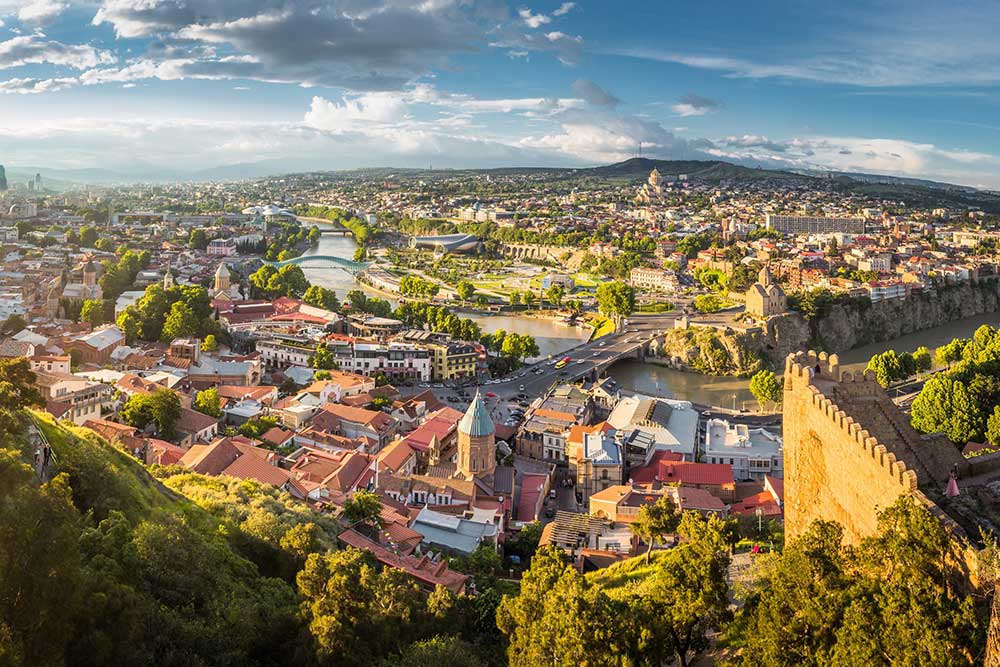
Tbilisi is the capital and largest city of Georgia.
Located along the Mtkvari River, the city combines historic architecture, traditional Georgian balconies, Orthodox churches, contemporary cultural spaces and a lively restaurant scene.
Tbilisi is also the country’s main transportation hub and a convenient starting point for exploring other regions.
Popular attractions include:
For a first visit, spending two or three days exploring Tbilisi before traveling to other regions is a practical starting point.
Read our guide to the top things to do in Tbilisi for more sightseeing ideas.
The official language of Georgia is Georgian, known locally as Kartuli.
It belongs to the Kartvelian language family and uses a distinctive writing system. Modern Georgian is commonly written using the Mkhedruli script.
The Georgian alphabet contains 33 letters.
English is increasingly used in tourism-related businesses, particularly in Tbilisi, Batumi and other popular destinations.
However, English proficiency varies, especially in smaller villages and remote mountain regions.
Knowing a few local words can make everyday interactions more enjoyable.
Gamarjoba (გამარჯობა) — Hello.
Madloba (მადლობა) — Thank you.
Gtkhovt (გთხოვთ) — Please.
Ki (კი) — Yes.
Ara (არა) — No.
Gaumarjos (გაუმარჯოს) — Cheers.
Saving your hotel’s address in Georgian and downloading an offline translation app can be particularly useful outside major cities.
Georgia’s official currency is the Georgian lari (GEL), represented by the symbol ₾.
One lari is divided into 100 tetri.
The Georgian lari has been the country’s national currency since 1995.
Credit and debit cards are widely accepted in hotels, restaurants, supermarkets and many tourism businesses in major cities.
However, cash remains useful for small purchases, local markets, rural accommodation and some regional transportation.
Withdraw money from established bank ATMs, check currency conversion charges and keep a small amount of cash for everyday expenses.
If an ATM or payment terminal offers to charge you in your home currency, compare the conversion terms before accepting.
Exchange rates fluctuate, so check the current GEL rate shortly before departure instead of relying on an old travel article.
For a more detailed breakdown of prices and daily budgets, read our Georgia travel costs and budgeting guide.
Georgia has a relatively accessible visa policy for many international visitors.
Citizens of numerous countries are eligible for visa-free entry, but the permitted duration and entry conditions vary according to nationality and travel documents.
Other travelers may need to obtain an electronic visa or another appropriate visa before arrival.
Always check the requirements for your specific passport before booking your trip.
For the latest official information, use:
Entry conditions may also depend on passport validity, the purpose of travel and other supporting documentation.
Visa-free eligibility does not guarantee admission at the border.
Yes. Since January 1, 2026, Georgia has required applicable incoming tourists to hold valid health and accident insurance, subject to specified exemptions.
Under the published rules, the policy must:
Some categories of travelers are exempt under the applicable regulations.
If you plan to ski, hike in remote mountains or participate in adventure activities, check whether your insurance covers those specific activities and emergency evacuation.
The minimum mandatory coverage does not automatically include every activity.
Review the latest requirements through the Georgian Consular Portal.
Georgia is a year-round destination, but the best season depends on what you want to experience.
Spring is suitable for cultural sightseeing, exploring historical sites and enjoying increasingly green landscapes.
April and May are particularly appealing for visits to Tbilisi, Mtskheta, Kutaisi and Kakheti.
Rainfall and temperatures vary between regions, so layered clothing is useful.
Summer is popular for hiking, mountain excursions, music festivals and Black Sea holidays.
Tbilisi and Kakheti can become very hot, while high-altitude destinations such as Kazbegi and Svaneti generally offer cooler conditions.
Some remote mountain roads are primarily accessible during warmer months, depending on snow and road conditions.
Autumn is particularly attractive for wine tourism, cultural sightseeing and seasonal landscapes.
September and October are popular for the traditional Georgian grape harvest, known as Rtveli.
Winter is an excellent season for skiing and snowboarding in mountain resorts such as Gudauri and Bakuriani.
Tbilisi remains suitable for cultural trips, museums, restaurants and winter city breaks.
For a first-time trip focused on sightseeing, late spring and early autumn are often excellent choices.
Explore our Best Time to Visit Georgia guide for more detailed seasonal recommendations.
Georgia has three main international passenger airports.
Tbilisi is the most convenient arrival point for travelers planning to explore the capital, Kakheti, Kazbegi, Mtskheta and eastern Georgia.
The airport is approximately 17 kilometers from central Tbilisi.
Travelers can continue into the city by municipal bus, taxi or private transfer.
Kutaisi Airport is an important entry point for travelers arriving on low-cost European flights.
It provides access to western Georgia, including Kutaisi, Imereti and the Black Sea coast, as well as onward transportation to Tbilisi.
Batumi Airport serves Georgia’s Black Sea region and is convenient for travelers planning to stay in Adjara or explore the western coast.
International flights and route availability vary by season.
If you prefer to arrange transportation before arrival, explore Gamarjoba Georgia Tours’ private transfer services.
Georgia has several transportation options, including trains, intercity buses, marshrutkas, taxis, rental vehicles and private transfers.
Trains are particularly convenient for traveling between Tbilisi and destinations in western Georgia, including Batumi.
Check schedules and ticket availability through Georgian Railway.
Scheduled coaches connect major cities and selected international airports.
They are useful for travelers who prefer organized public transportation.
Marshrutkas are shared minibuses serving many Georgian towns and villages.
They are generally affordable but may offer limited luggage space and less flexible departure arrangements.
Bolt is a commonly used ride-hailing service in Tbilisi.
App-based taxis are useful for airport transportation, city journeys and reaching accommodation away from metro stations.
Private transportation can be practical for families, groups and travelers exploring several destinations.
Guided tours are particularly useful for visiting attractions outside city centers, where public transport connections may be limited.
Read our Getting Around Georgia guide for more information about regional transportation.
No. You can visit many of Georgia’s most popular destinations without renting a car.
Public transport, guided tours and private transfers allow travelers to explore major cities, historical sites and mountain regions.
However, renting a car can provide greater flexibility for independent road trips.
Vehicles drive on the right-hand side of the road.
Check driving licence requirements, rental insurance conditions and road restrictions before collecting your vehicle.
Mountain roads require particular care during snow, heavy rain and periods of low visibility.
For current road information, consult the Roads Department of Georgia.
Georgia has three major mobile network operators:
Magti: A popular option for travelers visiting multiple regions, including mountain destinations.
Silknet: An established network offering mobile internet, local calls and tourist packages.
Cellfie: An alternative with competitively priced prepaid data packages.
All three provide eSIM services for compatible devices.
International travel eSIMs are also available for visitors who prefer to arrange connectivity before arriving.
Free Wi-Fi is available in many hotels, cafés, restaurants and public locations, although availability varies.
For travel beyond major cities, download offline maps before departure.
Read our Best SIM Card & eSIM for Georgia guide to compare local packages and coverage.
Georgia uses 220–240 volts at 50 Hz.
Type C and Type F electrical sockets are commonly used.
Travelers arriving from countries with different plug standards may need a travel adapter.
Some electrical appliances also require a voltage converter, depending on their supported voltage range.
Most modern laptop and smartphone chargers are compatible with a broad voltage range, but check your device’s specifications before plugging it in.
Georgia is a popular international travel destination, and many visitors explore its major cities and established tourist regions independently.
However, as with any country, travelers should take sensible precautions.
Keep your belongings secure in crowded areas, use recognized transportation providers, check local conditions before mountain excursions and follow official travel advice.
The security situation around Abkhazia and the Tskhinvali/South Ossetia region requires particular attention. Several foreign governments advise against travel to these regions and areas near their administrative boundary lines.
Travelers should consult their own government’s current advice, particularly before visiting politically sensitive or remote areas.
Emergency number: 112
The number connects callers with police, fire and emergency medical services.
It is available nationwide.
For a more detailed overview, read our Is Georgia Safe to Travel guide.
Georgian cuisine is an important part of the country’s cultural identity.
Traditional dishes often combine fresh vegetables, herbs, walnuts, cheese, meat and regional spices.
Some of the most recognizable foods include:
Khinkali: Traditional Georgian dumplings, often filled with meat and broth.
Khachapuri: Cheese-filled bread prepared in several regional styles.
Pkhali: Vegetable appetizers made with walnuts, garlic and herbs.
Lobio: A traditional bean dish, often served with Georgian cornbread.
Badrijani Nigvzit: Fried eggplant filled with seasoned walnut paste.
Mtsvadi: Georgian grilled meat.
Churchkhela: A traditional sweet made with nuts and thickened grape juice.
Georgia’s traditional feast, known as a supra, is also an important cultural experience.
During a supra, a tamada, or toastmaster, guides a series of ceremonial toasts.
You do not have to drink alcohol to participate respectfully in Georgian hospitality.
For more practical advice about ordering food, restaurant service charges and cultural customs, read our Georgian Restaurant Etiquette guide.
Georgia is internationally known for its ancient winemaking heritage.
Archaeological evidence of winemaking in the region dates back approximately 8,000 years.
Traditional Georgian qvevri winemaking involves fermenting and sometimes aging wine in large clay vessels.
The traditional method is recognized by UNESCO as intangible cultural heritage.
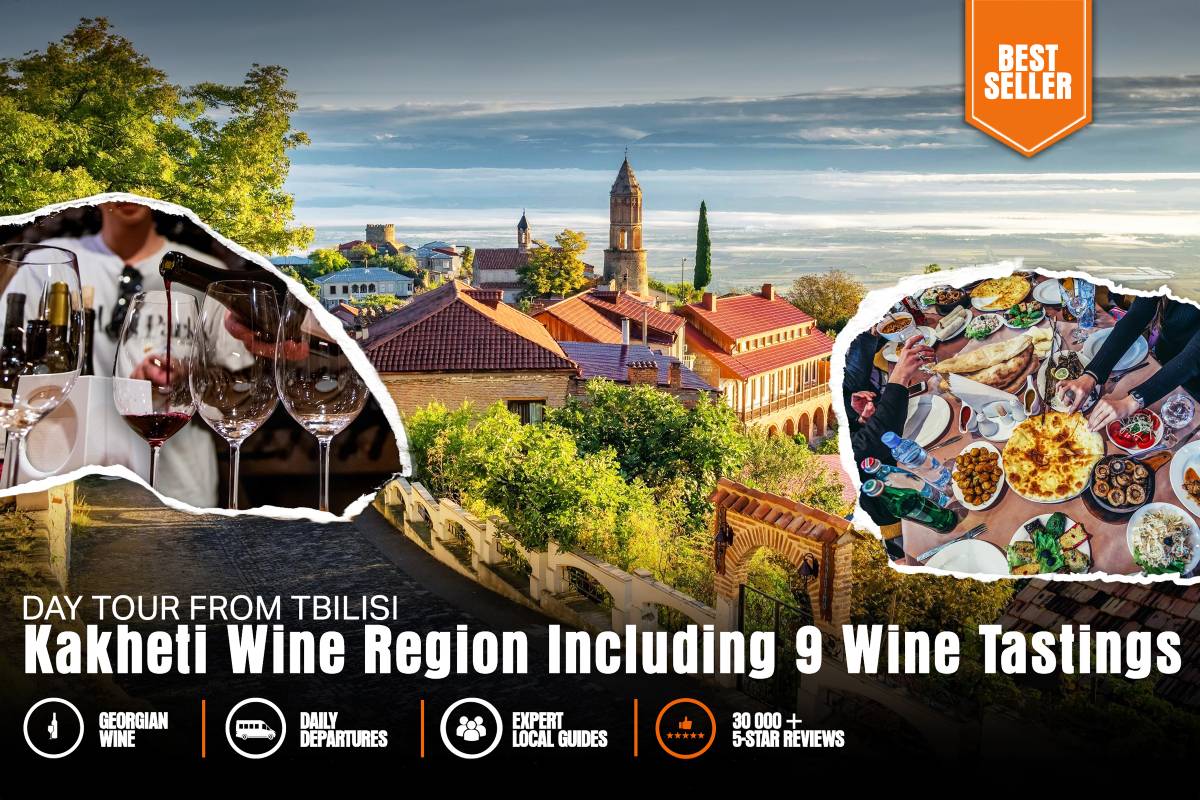
Kakheti is Georgia’s most prominent wine-producing region, while Kartli, Imereti, Racha-Lechkhumi and other areas have distinctive local wine traditions.
Popular Georgian grape varieties include Saperavi, Rkatsiteli, Kisi and Mtsvane.
Wine enthusiasts can explore wineries, family cellars and traditional harvest activities.
If you are planning a wine-focused trip, consider arranging transportation so that you do not have to drive after tasting.
Georgia offers a wide variety of destinations, from historical cities and wine regions to mountain villages and seaside resorts.
Best for historical sightseeing, restaurants, architecture and cultural experiences.
One of Georgia’s most historically significant towns, known for Svetitskhoveli Cathedral and nearby Jvari Monastery.
Best known for the Greater Caucasus Mountains, Stepantsminda and Gergeti Trinity Church.
A leading destination for wine tourism, traditional villages, monasteries and the Alazani Valley.
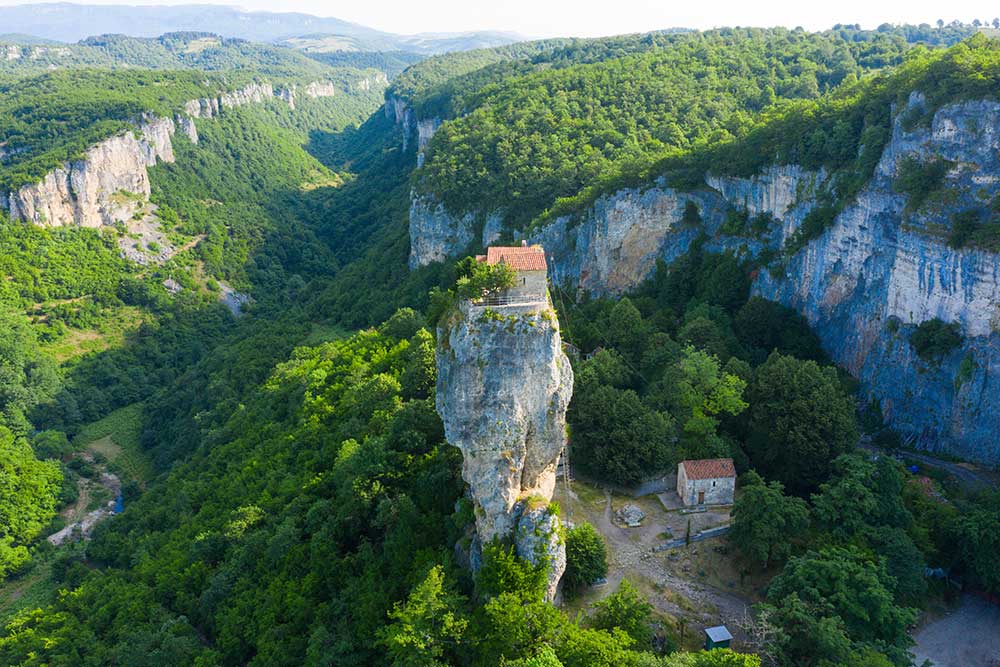
An important historical city and a base for exploring Imereti’s natural attractions, including Prometheus Cave and nearby canyons.
A Black Sea destination known for its seaside boulevard, modern architecture and subtropical surroundings.
A mountainous region celebrated for medieval towers, dramatic landscapes and hiking opportunities around Mestia and Ushguli.
Known for its mineral water heritage, forested landscapes and nearby national park.
A remarkable medieval cave complex in southern Georgia.
A popular destination for skiing, mountain scenery and adventure tourism.
Travel times and accessibility vary significantly, especially for mountain regions.
Explore group tours and private tours to discover some of these destinations with local guides.
Georgia has distinctive cultural traditions shaped by its history, religious heritage and regional diversity.
A few simple customs are worth understanding before your trip.
Hospitality is highly valued in Georgian culture.
Guests may be offered food, refreshments or invitations to join social gatherings.
Accepting hospitality is appreciated, but travelers can politely decline anything they are uncomfortable with.
Many Georgian churches and monasteries are active places of worship.
Visitors should dress respectfully, follow posted instructions and be mindful of religious services.
Some churches require women to cover their hair or wear a skirt, while men may be expected to wear long trousers.
Requirements vary by location.
Restaurant tipping is voluntary.
A tip of around 10% is commonly appreciated for good service, although additional gratuities are not compulsory.
Mandatory restaurant service fees should already be incorporated into displayed menu prices.
Ask permission before photographing individuals, private ceremonies or religious activities.
Some churches and monasteries restrict photography inside their buildings.
The ideal trip length depends on how many regions you want to explore.
3–4 days: Explore Tbilisi and consider one or two day trips to Mtskheta, Kazbegi or Kakheti.
5–7 days: Combine Tbilisi with several excursions and one additional overnight destination.
8–10 days: Explore eastern Georgia and selected destinations in western Georgia.
12–14 days: Plan a broader itinerary including Tbilisi, Kakheti, mountain regions and western Georgia.
These are suggested travel structures, not fixed itineraries.
Mountain roads, weather conditions and the pace of your trip may require additional time.
For a first-time visitor, 7–10 days offers a useful balance between sightseeing and regional exploration without trying to cover the entire country.
Before departure, make sure you have checked the practical details that matter most for your itinerary.
A little preparation can make traveling across Georgia significantly easier, particularly when combining city sightseeing with remote destinations.
Georgia is known for its ancient wine culture, Caucasus Mountains, traditional hospitality, Georgian cuisine, historic churches and distinctive alphabet.
Georgia offers a range of accommodation, dining and transportation options. Public transport and casual dining can be relatively affordable, while private tours, luxury hotels and peak-season mountain resorts may increase travel costs.
Yes. Many visitors travel around Georgia without speaking the language. English is commonly used in established tourism businesses, particularly in major cities. Learning a few Georgian phrases and having an offline translation app can still be useful.
Late spring and early autumn are excellent starting points for a first trip focused on cities, historical attractions and wine regions. Summer is particularly suitable for hiking and Black Sea holidays, while winter is popular for skiing.
Georgia may be relatively small, but its landscapes, history and cultural traditions offer experiences for many different types of travelers.
From Tbilisi's historic streets and Kakheti's wineries to the dramatic peaks of the Greater Caucasus and the Black Sea coast, the country rewards visitors who take time to explore beyond a single destination.
Use this Georgia at a Glance guide as your starting point, then explore our detailed travel resources to plan your itinerary.
When you are ready to discover the country, Gamarjoba Georgia Tours offers group excursions, private tours and transportation services to help you experience Georgia.