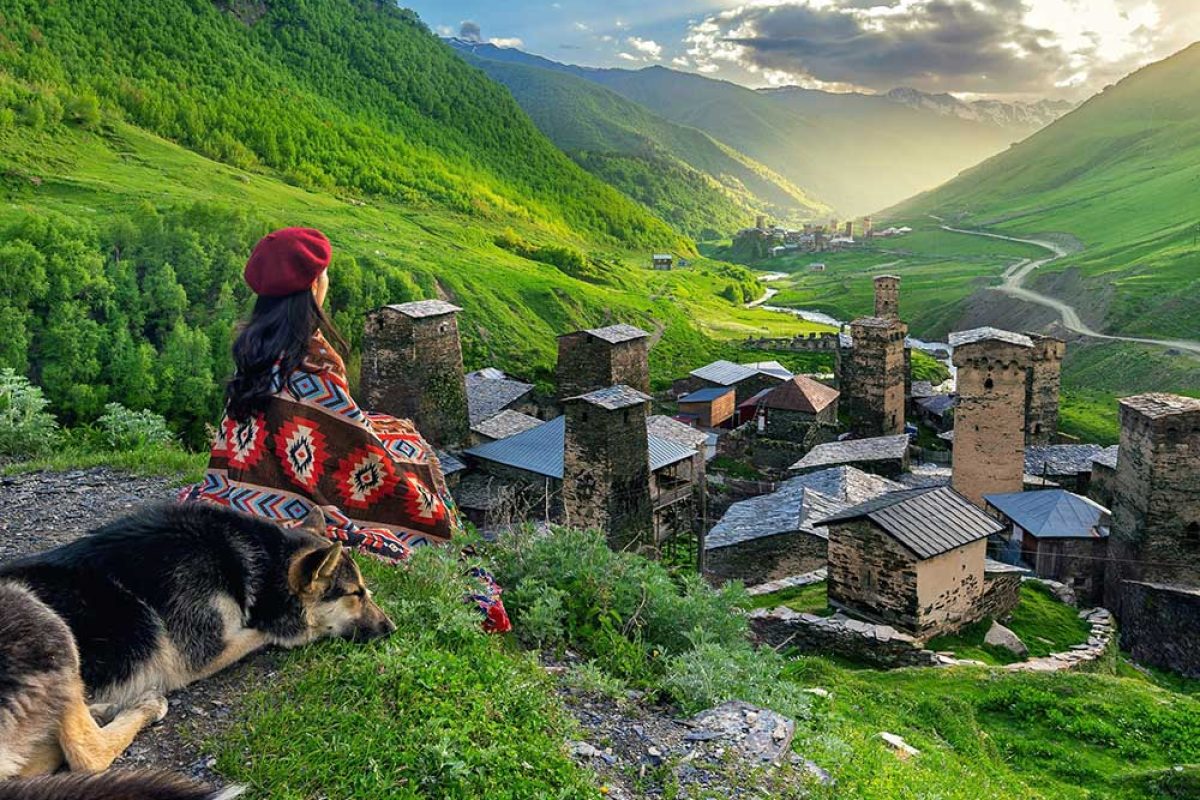
Svaneti is a highland region in northwestern Georgia and one of the country’s most distinctive mountain destinations. The experience is not only about looking at peaks. In Svaneti, travel works differently: distances feel longer than they look on a map, weather can change fast, and medieval stone towers stand inside living villages rather than in isolated museum spaces.
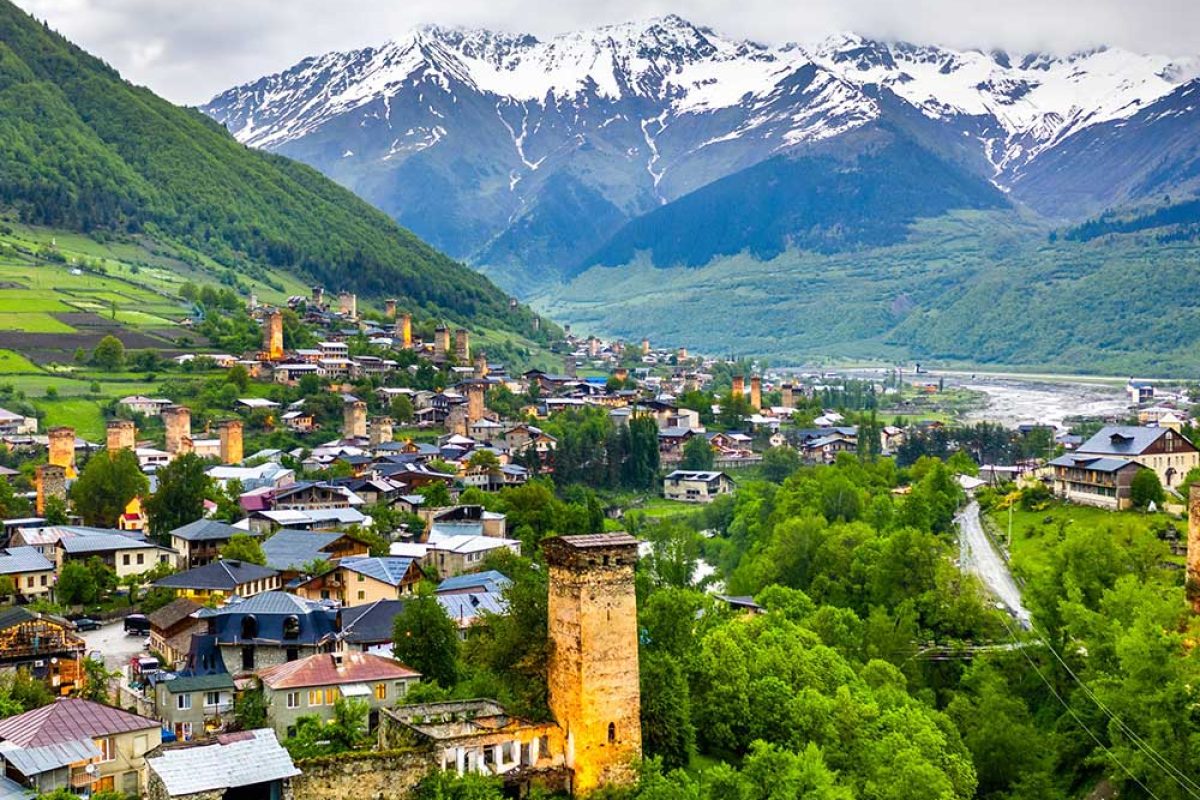
For most travellers, Mestia is the practical base for visiting Svaneti. It has guesthouses, hotels, restaurants, transport options, and several important cultural stops. The Svaneti Museum of History and Ethnography is located in Mestia; according to Georgia Travel, its collections cover archaeology, numismatics, art, manuscripts, and ethnographic material. It is a useful place to visit before exploring the villages, because it gives context to the towers, churches, and local history.
Svaneti often starts with Mestia, but it should not end there. In Mestia, you can see Svan towers, visit local museums, and use the town as a base for short hikes. Koruldi Lakes is one of the better-known nearby routes, but it should not be treated as a casual town walk. Weather, altitude, and road or trail conditions matter.
The second major destination is Ushguli. The Ushguli community sits at around 2,200 metres above sea level and is considered one of the highest settlements in Europe. The same source notes that Ushguli consists of five small villages and is connected by roads to Mestia and Lentekhi; the Lentekhi road is mainly usable in the warmer season because it is often covered by snow for much of the year.
Upper Svaneti is listed as a UNESCO World Heritage property, with Chazhashi village in the Ushguli community forming the inscribed site. UNESCO lists the property’s inscription date as 1996. The listing is closely connected with the medieval tower architecture and mountain settlement pattern of the region. (UNESCO World Heritage Centre)
For travellers who want to experience Svaneti on foot, the classic route is the Mestia to Ushguli trail. The Svaneti Destination Management Organization describes this route as medium difficulty, around 50 kilometres long, and usually completed in about 4 days. The trail passes through Zhabeshi, Adishi, the area near Khalde Glacier, Chkhunderi Pass, and then descends toward Ushguli through the Enguri Valley.
The recommended period for this hike is July, August, September, and the first half of October, although the actual opening of the hiking season depends on snowmelt. This is important for planning: June may look like summer on your calendar, but sections of the trail can still be affected by snow, mud, or difficult river crossings.

The main rule in Svaneti is simple: do not plan your day down to the minute. The road from Mestia to Ushguli may look manageable in dry weather, but rain, snow, roadworks, or landslides can change travel time significantly. A 4×4 vehicle is the more reliable option for the Ushguli route.
Dress in layers. Even in summer, mountain weather can turn cold, wet, or windy quickly. The official description of the Mestia to Ushguli trail specifically advises travellers to bring warm clothing, rain gear, hiking equipment, and comfortable shoes.
Svaneti works best with at least 3–4 days. Going all the way to Mestia for a few photographs and immediately returning is more of a road endurance test than a real trip. A better plan is to spend one day in Mestia, one day on Ushguli, and one day on a short hike or museum visit.
Do not expect city-level convenience in every village. Internet may be weak, cash is often easier than card payment, and small shops have limited choice. That is part of the practical reality of travelling here. The reward is a region where architecture, daily life, mountain geography, and historical memory still share the same physical space.